


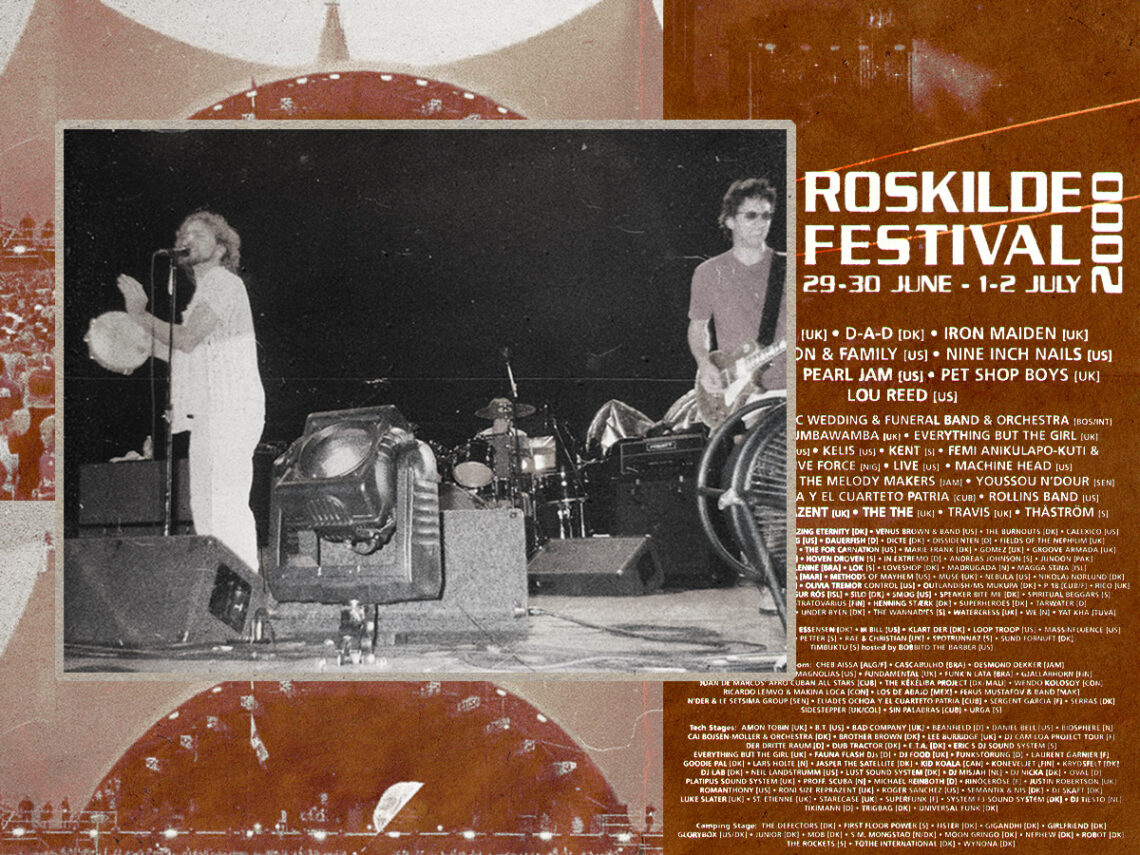
Inside Pearl Jam’s disastrous Roskilde show

Every good rock band has thrived on the interaction between the musicians and the audience. Regardless of the barriers that might exist physically, every good rock show is about coming together to celebrate through sound, with every single soul feeling like they’re part of a community as they bounce up and down to the songs. It was always about being genuine with the fans, and no other Seattle band epitomised that ideology quite like Pearl Jam.
During their first handful of shows, Pearl Jam was always about thriving with the rest of their fans, clad in the same street clothes they wore daily and keeping a huge energy for the hour they were onstage. Of all the band members, though, no one knew how rough the crowd could be better than Eddie Vedder.
In various scenes from their prime, Vedder could be seen scaling the scaffolding of whatever structure they were playing, hanging on at 50 feet in the air and often diving into the crowd. However, Vedder learned the hard way about the repercussions of stage diving, telling Cameron Crowe in Pearl Jam Twenty, “I would go home, and there would be like all these deep scratches on my back from diving.”
As the band grew, though, disaster struck when they pulled into the Roskilde Festival in 2000. During the middle of their performance, fans that were stationed near the front of the stage were trampled to death in front of them. Despite Vedder’s plea for the crowd to take a step back, nothing was working, with the crowd getting more out of control and Pearl Jam having to cancel the rest of their show.
Vedder remembered the day like an old wound, explaining, “I just wanted out of there. I just didn’t want it to be true. I knew it was happening right in front of me, but I just didn’t want it to be true.” Guitarist Stone Gossard also vividly remembered how bad some of the carnage became, mentioning the sobering feeling when “kids are being pulled over the barricade that aren’t alive anymore.”
While Pearl Jam had had disastrous shows due to their own drunkenness, fans losing their lives was something different for them. Although the band were able to carry on with the rest of their commitments after grieving, it had a drastic effect on the way that they approached their music, with Vedder saying, “Roskilde was the birth of ‘what?’. Like, why are we doing this anymore?”. Going into the next album, Riot Act, Pearl Jam eventually slowed down their usual snarling attitude, making songs much more mellow like ‘Love Boat Captain’, which namechecks the Roskilde incident with Vedder singing, “lost nine friends we’ll never know”.
Though the album is littered with frustrations about where the band should go next, the lead single ‘I Am Mine’ was the most optimistic view that Vedder could have had. Penned like a late-period Neil Young ballad, Vedder croons through the song about picking up the pieces and moving on, writing the line, “We’re safe tonight” the day before going onstage again after the incident.
From there, Pearl Jam has always kept a close relationship with their fans, trying to do whatever they can to engage with them while also making sure that they can pay tribute to those lives lost during their set that fateful night. While the touring life of a musician can sometimes become a blur, Pearl Jam has always remembered the importance of the audience in front of them.
