


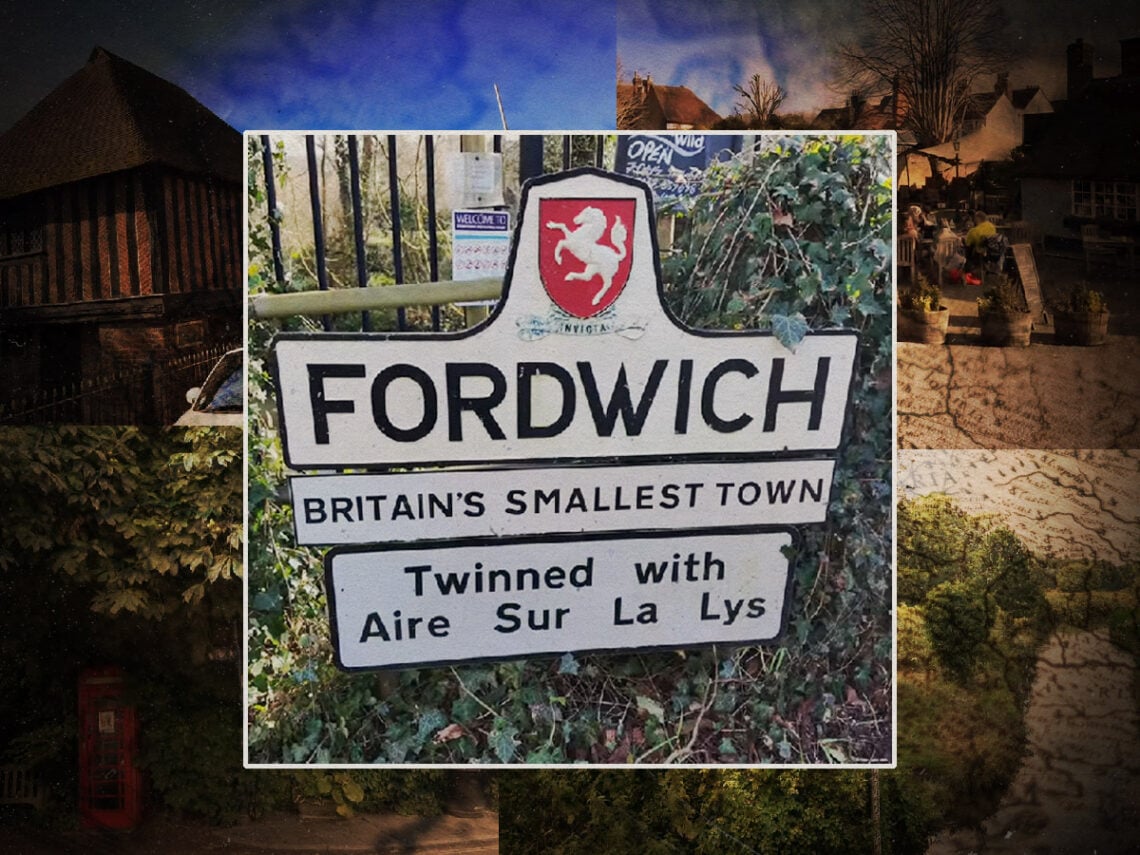
Fordwich: Inside Britain’s smallest town

Situated just a couple of miles from the historic Kent City of Canterbury and its famous cathedral, with between 300 and 400 people, Britain‘s Fordwich is officially the smallest town in the United Kingdom, and this is a story about a community, the development of British life, and ultimately, what constitutes a town.
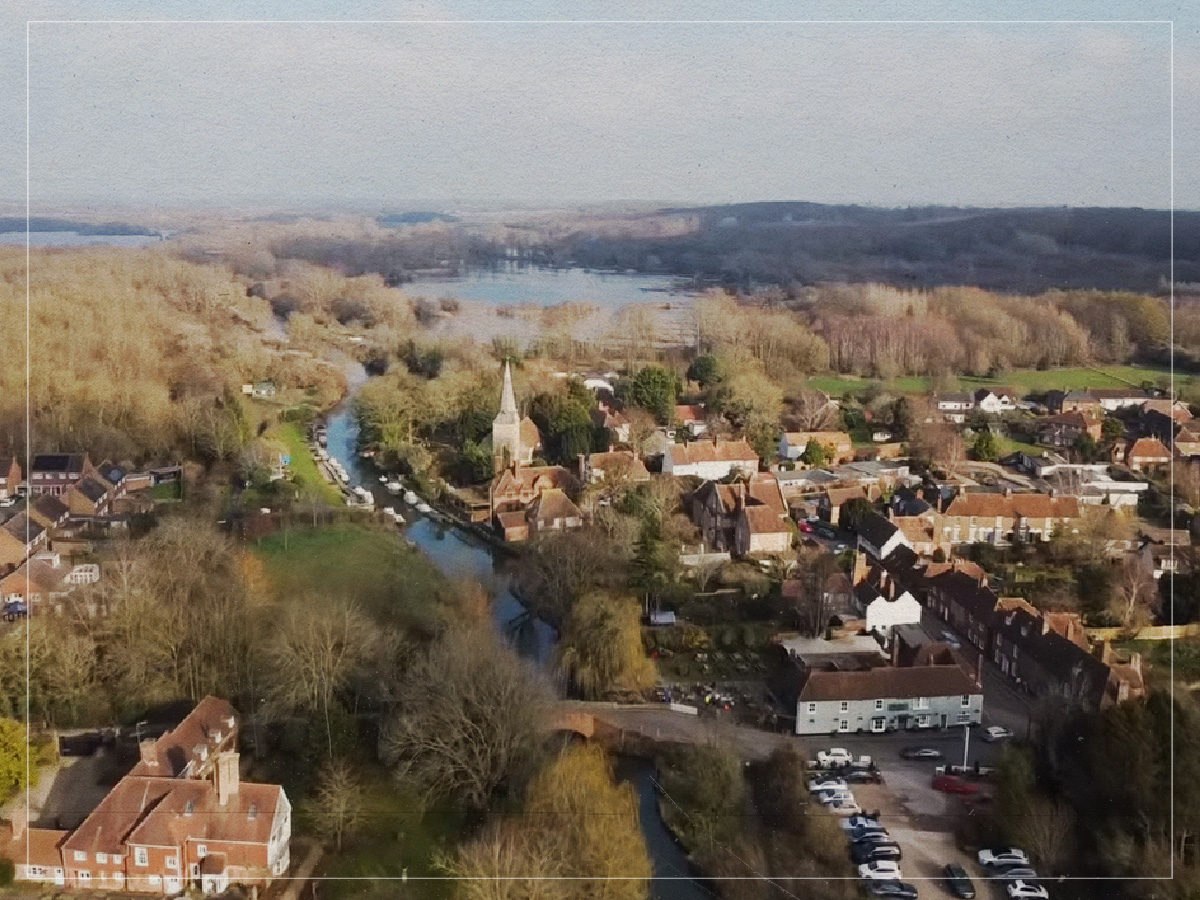
The name Fordwich comes from two words, ‘ford’ and ‘wic’, which, translated from Old English, means ‘settlement by the ford’. This, much like place names dating from the Anglo-Saxon period, is incredibly literal as the town sits along the River Stour, at the point where the river is at its lowest and crossing is easiest, and it’s this geographic quirk that led to the town’s formation: by being situated at an easy place to cross the river, it meant that throughflow was high and the town grew to become an important place for trade to ply through.
Years before the River Stour was stilted, it was possible for boats to make their way from the coast, inland, to Fordwich, which cemented the town as a port, which could then see goods and food transported to nearby Canterbury.
This led to the town being named the official port of Canterbury Cathedral in the 12th century, but the town had been listed years earlier in 1086’s Domesday Book. As a port, it even allowed for international trade, with French ships bringing stone from Normandy to Fordwich and onto the cathedral.
The town grew rapidly, albeit in importance more than size, getting its own town hall, magistrates and even its own mayor, before getting the Royal Charter in 1184 that allowed it to govern itself independently.
Collecting tolls, the town grew rich, allowing the Guildhall to be built in 1544, a building that opened over 200 years before the founding of the USA, and is still standing open for visitors who want to grasp the importance that Fordwich once boasted, with even the ancient weights and measures that were used when the port was in full flow on display.
The decline began when the River Stour stilted up, meaning the port was less useful and overtaken by others, and it saw its status as a borough removed, before eventually becoming a parish of Canterbury. However, in 1972, the year of the Watergate scandal, Bloody Sunday and the Munich Massacre at the summer Olympics, the town took advantage of the Local Government Act to reapply for its town status, a case that they won.
Despite being tiny in comparison to most British towns, and indeed a lot of its villages, Fordwich had earned the title, thanks to its historic chartered status rather than its population density.
Now this town, with its medieval buildings, the historic Guildhall, the Fordwich Stone and the beautiful St Mary and Virgin Church, has regained its pride and sense of self. The sights and sounds of a bustling port have been replaced by Sunday roasts at the pub and riverside walks, but in many ways, the town is as alive as ever.
Fordwich serves as a lesson, a reminder that a place isn’t defined by how many people live there, or how big it is, but its impact on history and identity mattering, even on a micro-scale, and its heritage adds a unique diversity to Britain’s famous landscapes.
