


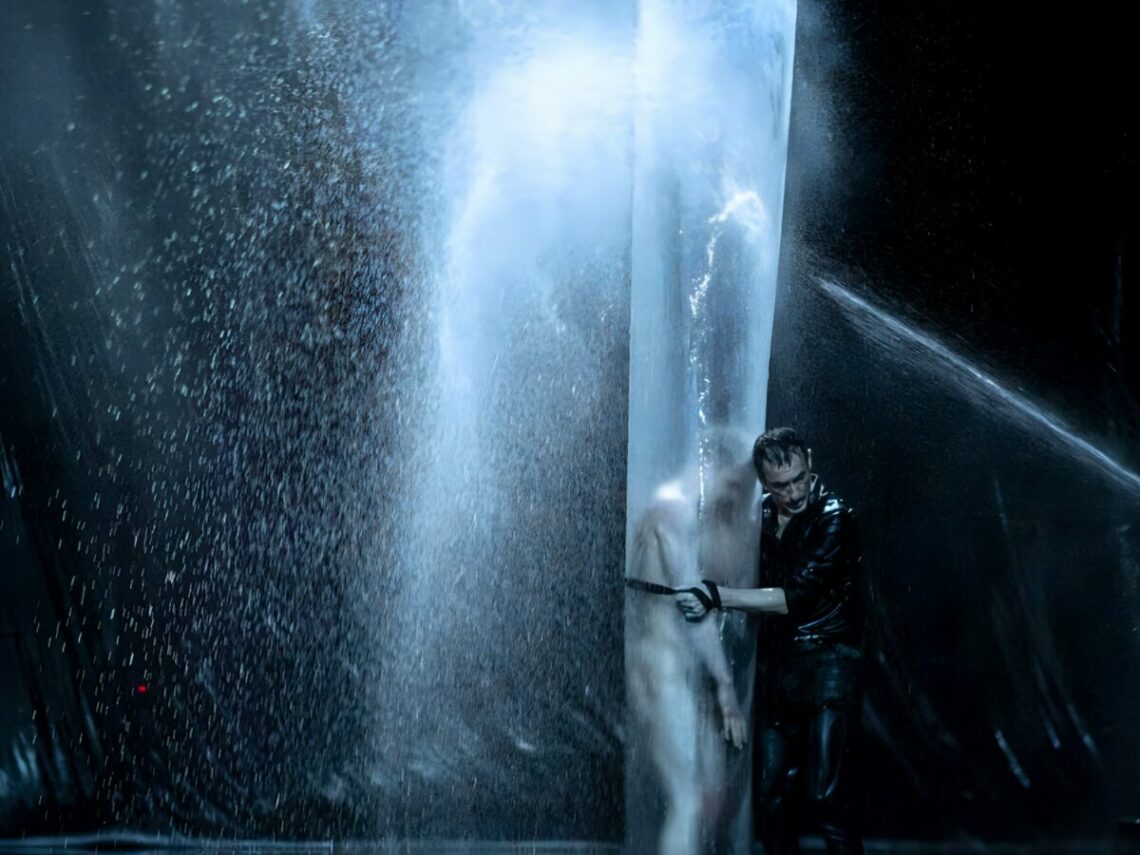
‘Ink’: the independent sci-fi flick that punched well above its weight

Whenever sci-fi epics are discussed, our minds inevitably wander towards massive productions with unbelievable budgets. Francis Ford Coppola is currently engaged in the making of one of these, with his upcoming feature Megalopolis requiring around $120million in terms of budgetary funds so far. However, movies that are made on much smaller scales can also evoke the sense of wonderment and profundity that people expect from these mammoths.
Ranging from Shane Carruth’s philosophically complex Upstream Colour to Daniel Cockburn’s dizzying metaphysical investigations in You Are Here, many accomplished filmmakers have pushed the boundaries of sci-fi with humble productions. Jamin Winans’ 2009 work Ink also falls under this category, cited by many fans of the genre as one of the most interestingly ambitious sci-fi projects from that decade.
Made from a budget of about $250,000, Ink follows the trials and tribulations of an anguished father who tries his best to save his daughter from the incomprehensible realm of dreams and nightmares. It imagines a world where dreams are governed by other entities and forces who generate the myriad visions we encounter during our sleep.
During an interview, Winans explained: “It is about a lot of things. It basically centres around the two worlds – the dream world and our conscious world. A lot of people asked us if we were inspired by Inception, but we actually made this before Inception. It’s basically about people who come out at night and give you dreams and nightmares and about the battle they sort of fight over your dreams.”
Christopher Nolan’s Inception emerged a year later, completely changing the landscape of modern sci-fi with its depiction of dreams and the human psyche. However, Ink operates in a completely different domain while also playing around with the frameworks of the genre in similar ways. Incorporating a more allegorical approach to the narrative trajectories concerned with the act of dreaming, Winans raises layered ideas with the limited means he had.
One technique that indie sci-fi filmmakers often incorporate is ambiguity, urging the audience to think for themselves while interpreting the surreal images on screen. Ink is no different, with many viewers flocking to the internet to post their own theories about what happened in the film. However, it’s also one of those movies that could have been better with more resources, which is an opinion that many producers shared.
Winans revealed that he had to turn down several remake offers: “Early on, when Ink came out, I guess we never got any official offer, but there were certainly questions about that. Agents and other people just asked us if we were interested in doing a remake. We said, ‘Absolutely not.’ I’m not a big fan of remakes either way, and the last thing I would want to see is our film remade into something that I didn’t want it to be. So, yes, the idea was put out there, but we said ‘No.'”
Due to the smaller scale of the production and the release, Ink became an interesting internet favourite. Its reputation was built up by members of peer-to-peer file-sharing networks who uploaded pirated versions of the movie, resulting in it becoming one of the highest-rated films on IMDb for a brief period.
Watch the trailer below.
