


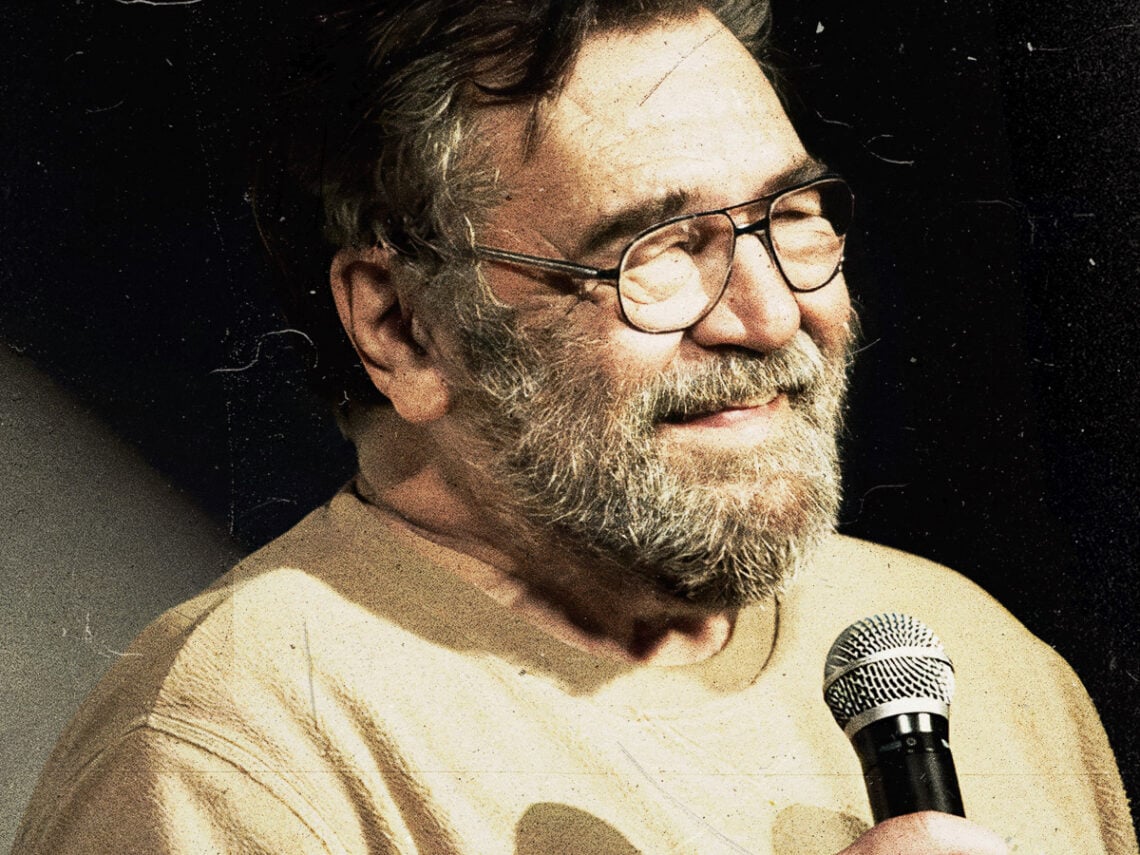
Examining the important legacy of Ralph Bakshi

Ralph Bakshi might be best known to all of us as the director of The Lord of the Rings, albeit the animated version. He is fondly referred to as the great Brooklynite comic-book fiend who took an artistic risk to, quite simply, invent adult animation. “I was sick and tired of Bugs Bunny,” he once said, explaining his decision to change animation forever.
Born in Haifa, Israel, Bakshi had a modest upbringing in Brooklyn, New York. Fascinated by comic books and cartoons since he was a kid, he developed a passion for storytelling and animation and set out to become an artist. After studying at the School of Industrial Art, he began his career as a cell polisher at Terrytoons Studios. Determined to make his mark, Bakshi worked his way up, eventually becoming a director and setting up his own animation studio.
He wrote his first script, Heavy Traffic, but was told for his first picture to pick an existing property. He combed through every issue of Fritz the Cat and chose that for his socio-political picture. His breakthrough, and what a strange breakthrough film that is, came with its release in 1972, which launched him into the spotlight and solidified his reputation as a boundary-pushing animator willing to tackle provocative subjects such as racial tensions, sexual liberation, and counterculture revolution.
At the time, cinema was definitely in a period of change. Look at Once Upon a Time in Hollywood for reference. The hippies and freethinkers were moving in, and the suits of the heyday were on the way out. Filmmakers were trying different things and were not scared to experiment. The 1970s were the days of the ‘movie brats’ as the likes of Martin Scorsese, Steven Spielberg, Francis Ford Coppola, George Lucas, and Brian De Palma ruled the show. The studios felt they no longer knew what worked anymore for audiences, so they gave piles of cash to new and exciting filmmakers. To review the biggest releases in 1971 and 1972, you had provocative films like A Clockwork Orange, The Godfather, Deliverance and Dirty Harry. Everything was changing.
On top of the changing tides in Hollywood, Walt Disney died in 1966, so it was only natural that animation was moving forward too. Disney had released a recent onslaught of films that critics deemed had lost a little of their magic. But Bakshi had always felt that animation had to grow up. “Disney had such a hold on the mind of America – they were Adolf Hitler. The whole country thought Disney was some sort of god and that animation was some sort of pure thing for children,” he said.
During the war years, Disney had been set on releasing its fantasy films like nothing was happening. Bakshi wanted his films to cover the atrocities of mankind. He wanted to make films to reflect the world he lived in. Even to look at his post-apocalyptic fantasy film, Wizards contains strong messages about the nuclear arms race and the Holocaust. In his body of work, he proved, despite only releasing underground pictures, that adult animation could, and should, work.
Bakshi’s greatest legacy might just be his defiant claim that animation is an art form, not just entertainment. To listen to any of the man’s interviews, he hammers that he is, first and foremost, an artist. He was the trailblazer in setting the idea that animation can contain satire and adult themes and did this with his very first feature Fritz the Cat. He wanted to show the world that cartoons weren’t just for children and Saturday mornings. He truly set out to legitimise the art form. His films are polarising – even to this day. Many hail Bakshi as one of their favourite directors. Many hate his films and style, but I’m confident that is how Bakshi prefers it. He just wants to stick to his art.
Without the success of the underground movies of Ralph Bakshi, we might not have some of the most beloved properties to this day. Surrealist directors Tim Burton and Terry Gilliam cite him as an influence for his psychedelic, unique animating style. Indirectly, also, you can draw lines to animated TV shows like The Simpsons or Family Guy. Bakshi was the first person to show the world that animated, raunchy humour purely for adults was a success on screen. Had precedents like these not been set in the 1970s and the ideology developed into the 1970s and 1980s, we might not have had The Simpsons. More direct influences, based on the complex narrative structure and challenging ideas, can be pointed at shows like Bojack Horseman and Rick and Morty.
Bakshi is a fine example of creating your art in your exact vision and dealing with everything else later. He is an inspiration for his commitment to his artistic vision, which is arguably influential enough, regardless of whether you enjoy his films or not. His unique pictures have helped revolutionise animation and adult comedy by injecting serious issues into animated films. As a major artistic voice in one of the most important decades for the evolution of cinema, Bakshi’s oeuvre has inspired multiple generations of artists. If you ask him about it, his answer remains the same: “Was I ahead of my time? No. Everybody else was behind.”
