


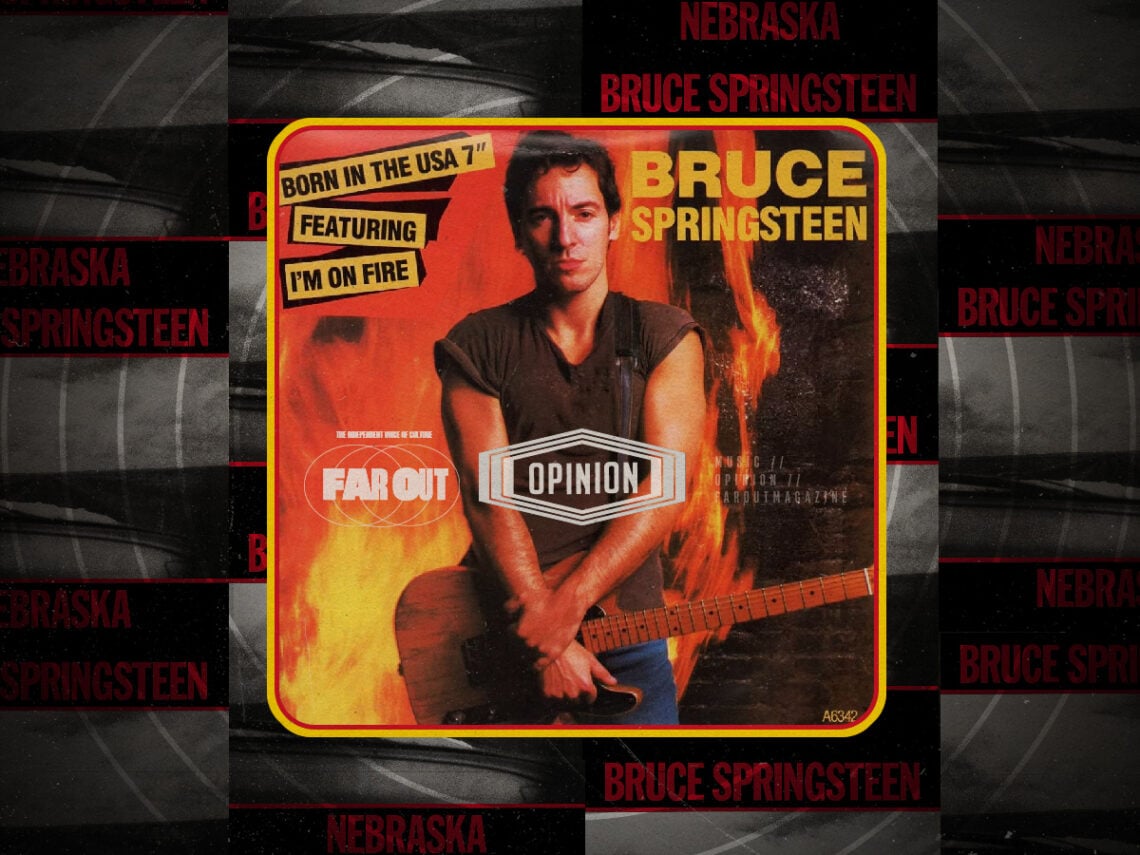
Why ‘I’m On Fire’ would have been better on Bruce Springsteen’s ‘Nebraska’

Bruce Springsteen wasn’t sure whether or not his own biopic, Deliver Me From Nowhere, would work, given that it only covered one very specific period in his career.
“It’s an interesting concept, because it’s only a couple of years out of my life,” he said when discussing the movie, adding how it reflected when he was “going through some personal difficulties that I’ve been living with my whole life.”
This is a new trend that we’re seeing in modern biopics, as rather than trying to rush through the story of one person’s life, production companies are instead more committed to telling the story of a very specific few years and doing so in immense detail. That begged the question, when it comes to Bruce Springsteen, what period would be best to focus on?
A lot of people might have said to cover when Springsteen was writing his album Born To Run, and how his perfectionism plagued the creative process – ‘The Boss’ has previously admitted that when making the record, he was adamant it had to be the best piece of music he’d ever put together, and this meant he relentlessly pined over the LP for years, and he almost threw the entire thing away after finishing it because he became too close to the songs.
“After it was finished? I hated it! I couldn’t stand to listen to it,” he said. “I thought it was the worst piece of garbage I’d ever heard. I told Columbia I wouldn’t release it. I told ‘em I’d just go down to the Bottom Line gig and do all the new songs and make it a live album.”
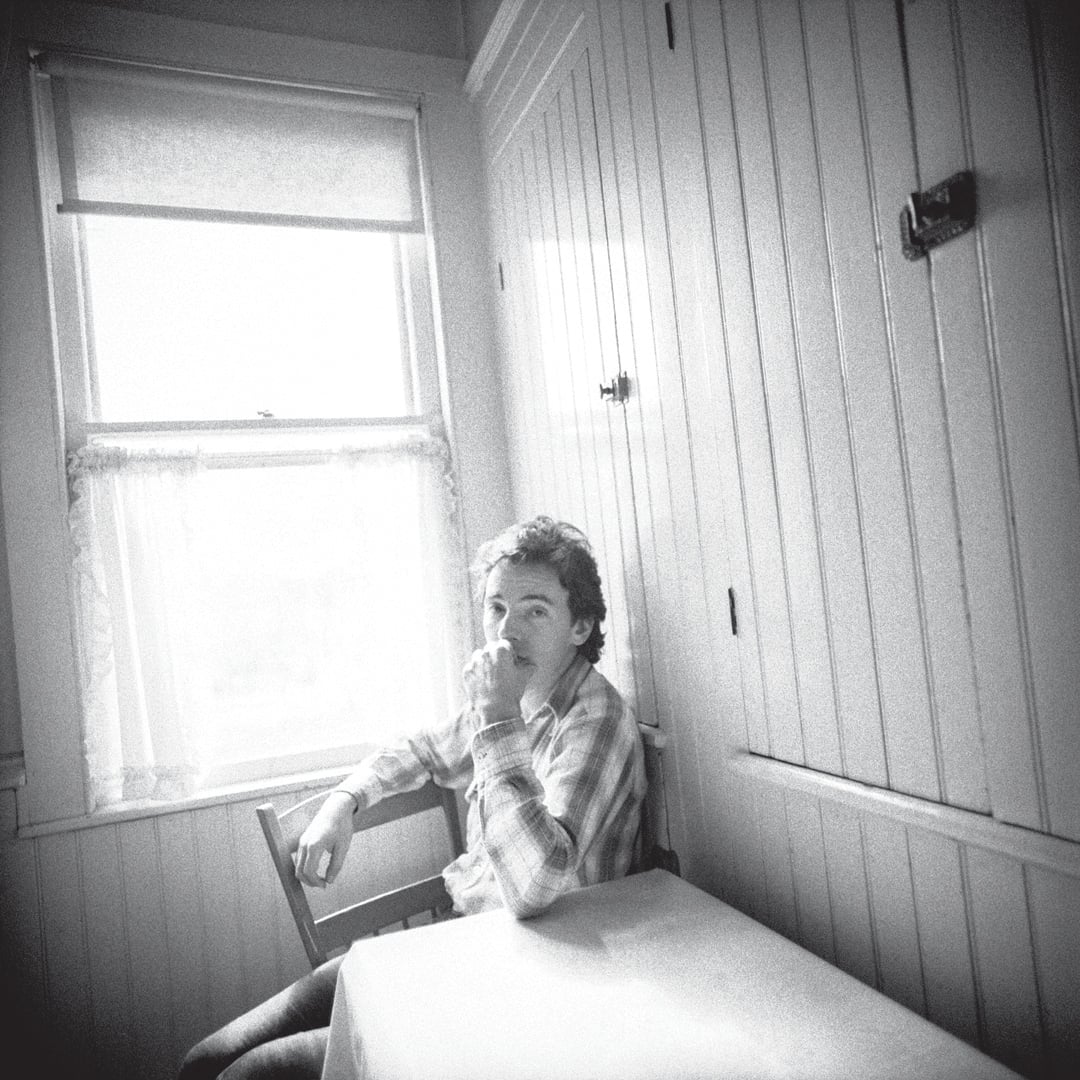
While this would have been an interesting story to tell, Deliver Me From Nowhere begins after Born To Run has been made, and Springsteen is a commercial success. As he faces changes in his life and stares down the pressure that comes with becoming a global rockstar, the movie covers his bouts of depression, his need to confront childhood trauma, and the music he made during such a period.
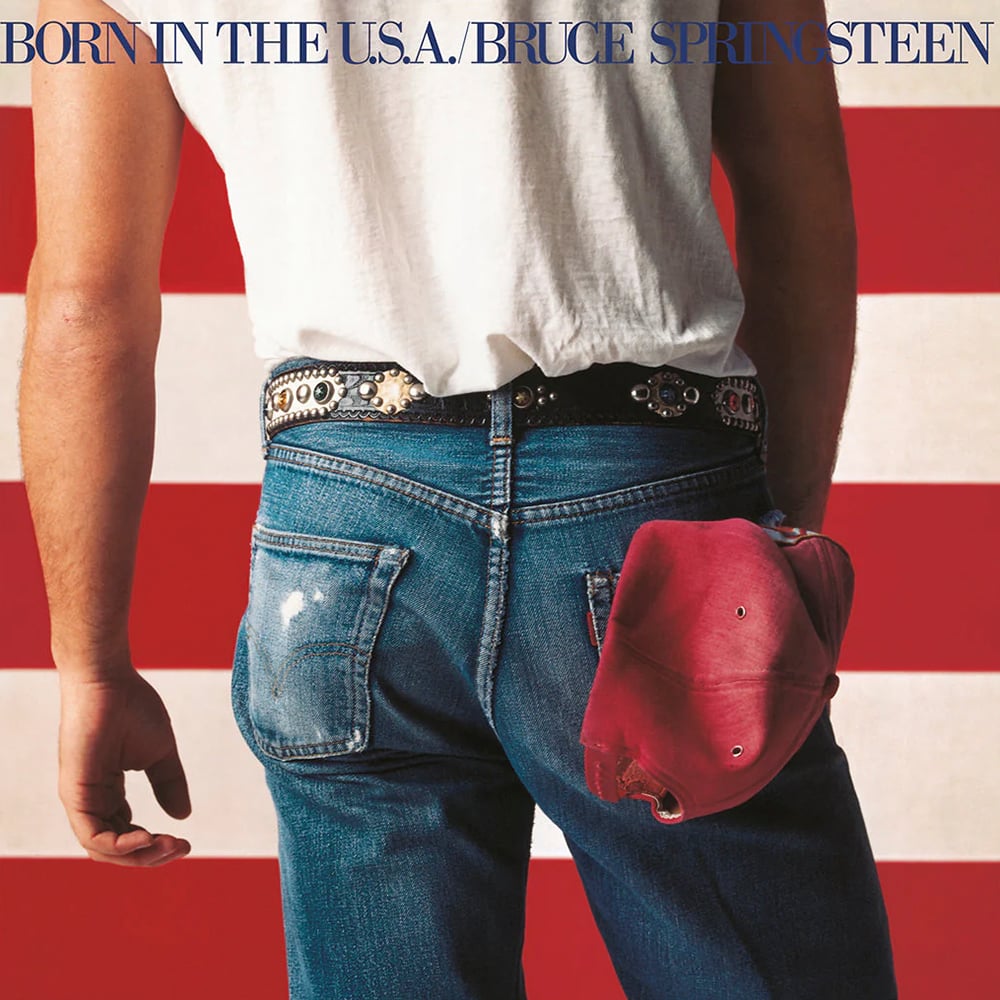
The two albums that Springsteen worked on during this time were Nebraska and Born In The USA, one of which was his usual branch of energetic rock music, while the other was a much stranger LP, one that Springsteen never felt like explaining at the time, and which was a huge deviation from his previous successful records. Nebraska remains an enigma of an album; however, it’s also a classic amongst Springsteen fans, as, despite its strange nature, it has cemented itself as one of his most honest and personal records to date.
Throughout the album, Bruce Springsteen sings from the perspective of some of society’s most troubled souls, as he inhabits the mind of serial killers, thieves and creeps. Don’t try to make too much sense of it, as Bruce didn’t even know what he was trying to make sense of at the time, as amid the twists and turns of his crumbling psyche, these songs seeped through the cracks and made their way onto wax.
As well as the narrative embedded throughout the album, the sound of the record is also some of Springsteen’s most raw. He and the E Street Band were renowned for being able to deliver an incredibly layered style, filled with distorted guitars, saxophones and backing singers; however, Nebraska was different. This was an album which featured Bruce Springsteen, an acoustic guitar, and a harmonica. It was very stripped back, all the way down to the production of the album, as hardly any of the songs were polished and went out to the public with little to no tidying up. It sounded scratchy, tinny, and unlike anything Springsteen fans had heard before (or indeed, have heard since).
Though Springsteen was also writing for Born In The USA at the same time, there was never much of an overlap between the two albums, given that they were so vastly different. However, Springsteen was left with a bit of a dilemma when it came to the track ‘I’m On Fire’, as the narrative was closer to Nebraska, while the sound was closer to Born In The USA.
The track itself was recorded on February 20th, 1982, during the Nebraska sessions, and you can tell when you listen to the lyrics, and the theme of the song is dark, as it speaks about a lust that borders on sinister, and sees Springsteen embody the role of multiple different narrators throughout, but the actual sound of the song was nothing like the others on Nebraska, as it had an electric feel, was polished, and featured the full band.
Springsteen eventually decided that the track would fit better on Born In The USA, staying true to the sound rather than the narrative, and his decision is understandable, but it does mean that Born In The USA, an album which leans heavy on politics, has an anomaly of a track squeezed in between its society-centric songs. I would argue that Springsteen made the wrong call here, and Nebraska would have benefited from the song more than Born In The USA did.
While I appreciate the dilemma which Springsteen faced when choosing where to put the record, I believe it is better suited to the overriding theme of Nebraska rather than that of Born In The USA – it feels more out of place on the latter than it would have done on the former, as a poignant and political record, regardless of how good it is, can’t gloss over how unbecoming ‘I’m On Fire’ feels.
The track remains a classic, but when considered in the grand scheme of the album it finds itself on, it could fit somewhere else a lot better.
