


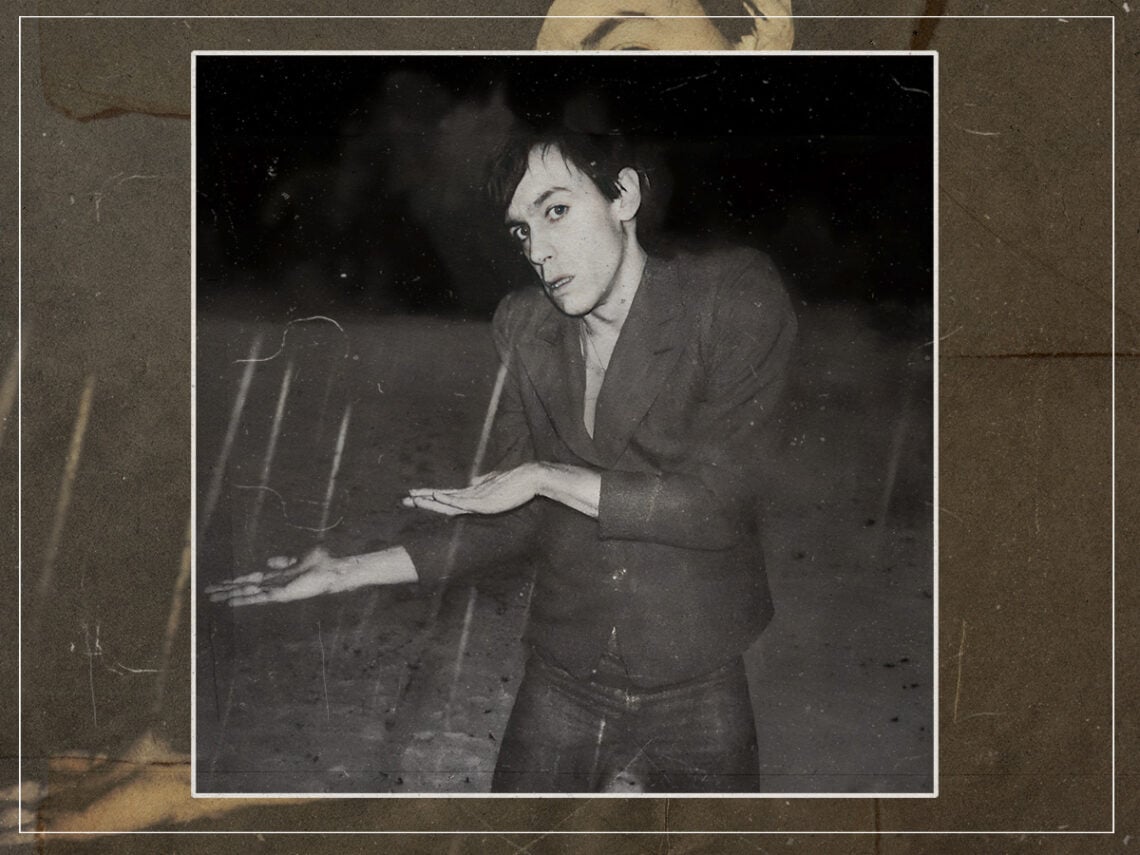
“Sadness was creeping in”: Iggy Pop explains the three stages of The Beatles

The history of The Beatles is so vast and winding that people have written reams and reams on it but still feel like they haven’t nailed it down. They went through so many different phases and styles, all motivated by different influences like countercultural movements, band tensions and external relationships. Drastically changing their sound as they went, they’re a hard act to summarise. Iggy Pop, however, managed it pretty succinctly.
I personally live in fear of someone asking me what my favourite Beatles album or song is. With such an ever-evolving style, how on earth can a person compare? How do you try and decide between the jovial pop-rock of tracks like ‘I Saw Her Standing There’ and their earliest releases, versus the high-art experimentation on ‘A Day In The Life’ or ‘Tomorrow Never Knows’? The thought of trying to pin down a favourite era feels impossible as they seemed to morph into a whole new band with each twist.
Iggy Pop made it look so easy. When asked to choose his 12 favourite albums of all time, he makes room for the likes of David Bowie, Bob Dylan and The Rolling Stones by picking only one Beatles record. He crowns Rubber Soul as his favourite, choosing the album with hits like ‘Drive My Car’, ‘Norwegian Wood’ and ‘Michelle’.
Released in 1965, the album came as a turning point in the middle of their career. It’s heralded for its marked change in sound, drawing a clear line in between their breakout hits and the most interesting and experimental countercultural group they would grow into. That move alone could be dissected with thousands and thousands of words on their external influences, the impact of drugs and all the shifts in their dynamics that contributed to the specific shifts in sound. But for Pop, explaining the band’s changes is a simple, three-fold map of distinct stages.
“This is just after they’d written their cute hits, and a little more sadness was creeping in,” he said. For him, the first stage of the Beatles, including their debut album and earliest releases like Beatles For Sale or With The Beatles, was their “cute” era. It was all bowl cuts and sharp suits, while the members still looked like clean-cut boys you’d want to take home to your mother.
When it comes to his favourite record, Rubber Soul, and other middle releases like Revolver, Pop sees this as the start of darkness. There’s a slight shadow over the album, especially on tracks like ‘For No One’, the coolness of ‘Michelle‘, or even the bittersweet sentimentality for a lost youth on ‘In My Life’. The band started to let their own stories and life in, intermingling it with the start of their drug experimentation until their view of their own tales was twisted and trippy.
The third and final stage of the band doesn’t seem to thrill the musician too much as he describes it as “the this-song-is-gonna-be-12-minutes-long-and-I’m-depressed-so-put-up-with-it phase.” With that label, he’s probably talking about tracks like ‘A Day In The Life’, ‘Revolution 9’ or the extended Abbey Road Medley. Coming at the end of their group’s career, when all the members wanted out, and their personal relationships were in tatters, their later work definitely holds some personal sadness from all involved.
But for Pop, the golden era is in that happy middle ground, somewhere in between cuteness and outright sad weirdness. Rubber Soul suits him just fine; he’ll skip the rest.
