


The iconic rom-com Daryl Hannah turned down for ethical reasons: “Sounded wrong to me”

Daryl Hannah was one of the biggest stars of the 1980s and ’90s. With her stature, blonde hair, and delicate features, she fit the stereotypical image of Hollywood glamour, but she had the acting chops and charisma to overshadow her looks. She started her career playing the fugitive replicant Pris Stratton in Ridley Scott’s Blade Runner in 1982 and became a breakout star when she played the mermaid Madison opposite Tom Hanks in Ron Howard’s surprise 1984 hit Splash.
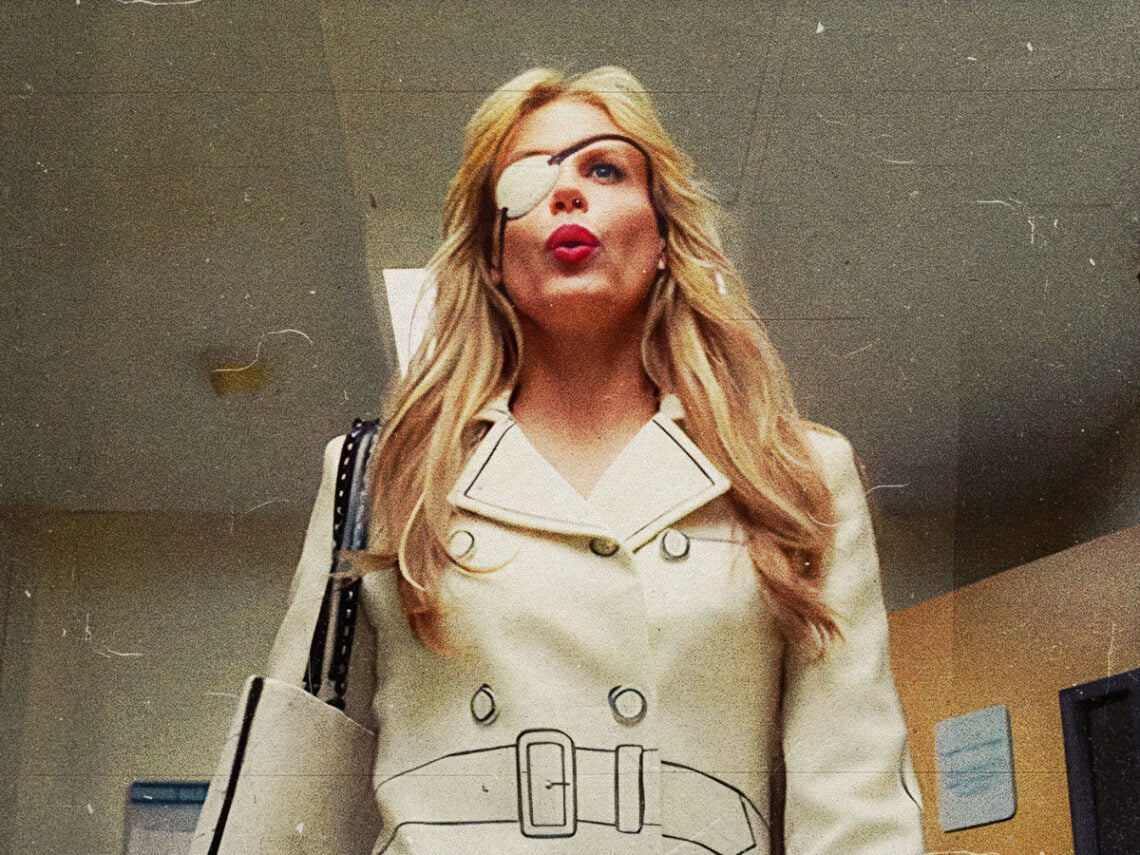
In the late ’80s, Hannah was a mainstream star with roles in movies like Wall Street, the romantic comedy Roxanne opposite Steve Martin, and the 1989 hit Steel Magnolias. Her most famous role, however, came a decade and a half after her peak, when Quentin Tarantino cast her as the eye-patch-wearing assassin Elle Driver (AKA California Mountain Snake) in Kill Bill. Uma Thurman might have stolen the film, but Hannah provided another layer of female badassery that makes the movie truly iconic.
During the late ’80s and early ’90s, when she was at her peak as a Hollywood star, Hannah was offered the role in a film that would become a hit beyond even its studio’s wildest dreams and make its young female lead an A-list celebrity for the ages. Pretty Woman was still in development when Hannah was offered the starring role of Vivian Ward, a sex worker who falls in love with a wealthy client (Richard Gere) in what is essentially a modern-day Cinderella story.
Julia Roberts eventually won the part, and it made her the biggest movie star in Hollywood. In retrospect, it’s hard to imagine anyone else playing Vivian. The film has been controversial for ignoring the realities of sex work and romanticising a profession that is often anything but glamorous. The power imbalance between Vivian and her wealthy client is also extremely problematic, and is never adequately addressed in the film.
“The entire idea about glorifying a woman for becoming a prostitute and then meeting your Prince Charming to go on to live happily forever sounded wrong to me,” Hannah said in a 2013 interview with the Hindustani Times. “You cannot glorify prostitution like that – it is not a preferred career choice. It’s really telling and tough circumstances that force you to become one and then it’s not always that you meet your prince charming. And that was something that I had a problem with.”
To clarify, she added, “I don’t have a problem with playing a prostitute, but I had a problem with romanticising it. Prostitution is not a happy-go-lucky job.”
While some sex workers would likely disagree with her assertion that no one chooses it as a career path, it is impossible to deny that Pretty Woman does not make any attempt to accurately portray the profession, instead using it as a leaping-off point for a classic rags-to-riches story about a woman being whisked away into a fairytale by a man. The only reason the film works is because of Roberts, whose charisma could save even the most tasteless and oversimplified romance.
