


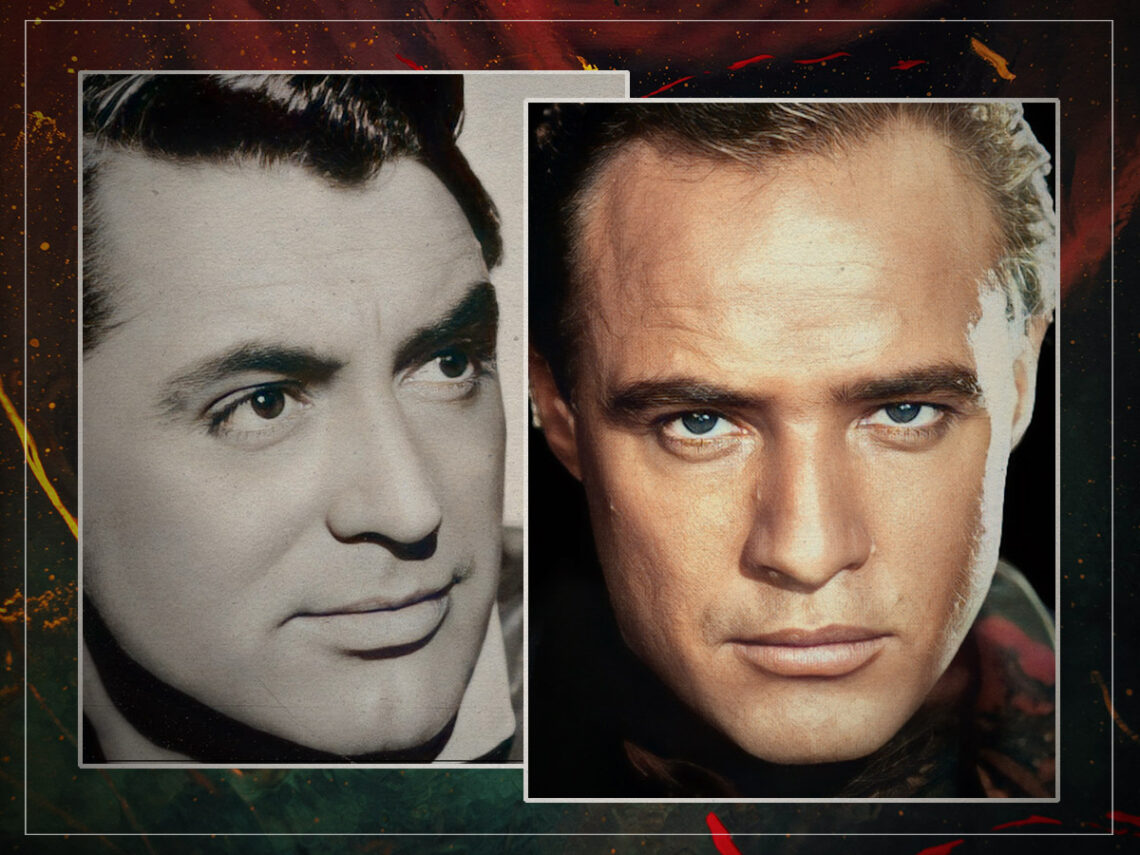
The Oscar-winning role Cary Grant turned down just to work with Marlon Brando

Cary Grant and Marlon Brando might have been famous around the same time in Hollywood, but they were about as different as they could possibly be. Grant had reached stardom largely through his roles in screwball comedy. Bringing Up Baby and His Girl Friday are classics of the genre, while The Philadelphia Story paved the way for modern romantic comedy. His onscreen persona was witty, debonair, and self-effacing, three things that absolutely do not describe Brando.
The future Godfather actor was one of the first performers to bring the craft of method acting to Hollywood, and he made a name for himself playing volatile young men who took their inner torment out on those around them. A Streetcar Named Desire, The Wild One, and On the Waterfront established him as cinema’s most explosive new talent and remain the gold standard to which generations of actors have aspired.
Despite their differences, Grant, like pretty much everyone else, was in awe of Brando’s work, and turned down a major opportunity for the chance to work with him. In the mid-1950s, he was offered the role of Colonel Nicholson in the David Lean film The Bridge on the River Kwai. Set in a Japanese POW camp, it follows a group of British soldiers who are forced to build a bridge for their captors, not knowing that their allies are already planning an operation to destroy their work.
Nicholson is the most complex character in the story, a British officer who takes nationalistic pride in the bridge’s flawless construction, to the detriment of his men. When Grant turned the role down, it was given to theatre legend Alec Guinness, who ended up winning an Oscar for it. As usual, Grant was nothing if not gracious, saying that he probably would not have been able to match Guinness’s brilliance.
This was particularly classy of him, given how things went with his little gamble. The film for which he turned down River Kwai was The Pride and the Passion, an ill-fated epic that did not, in fact, star Marlon Brando. The On the Waterfront star dropped out, and Frank Sinatra was brought in. The shoot turned out to be chaotic and rife with interpersonal drama thanks to Grant and Sinatra’s mutual romantic interest in their young co-star, Sophia Loren. Suffice it to say that the Bringing Up Baby star probably regretted his decision, even if it wasn’t his fault that Brando failed to live up to his end of the deal.
It isn’t clear why the actor dropped out, but the release of both River Kwai and The Pride and the Passion coincided with a conscious shift Brando was taking in his career toward more culturally relevant films. He appeared in The Teahouse of the August Moon in 1956 and Sayonara in 1957, both of which have been credited with helping to normalise interracial marriage between American and Japanese citizens in the postwar period. That legacy has been tainted by the fact that Brando appears in yellowface in the first film to play an Okinawa native.
The actor would continue to seek more modern and socially conscious roles in the coming years, eventually aligning himself with New Hollywood. Given how old-fashioned The Pride and the Passion turned out to be, it’s hard to imagine him in Sinatra’s role.
