


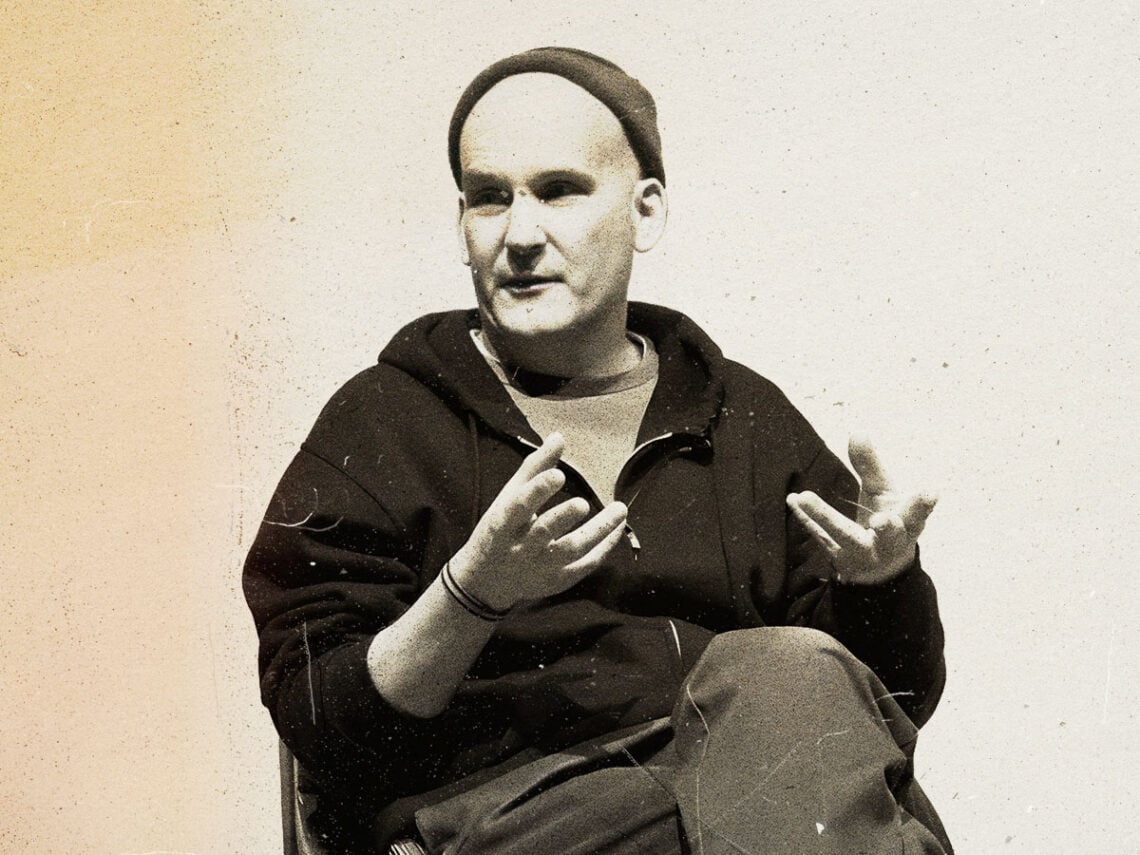
Ian MacKaye: the trailblazing ethos of Dave Grohl’s musical hero

Since its earliest origins, the genre of punk rock has been built upon a rejection of the norm. As the movement developed, exploding into an all-encompassing counterculture during the 1970s, punk became imbued with a DIY ethos rooted in anti-capitalism and a rebellion against the big business that the music industry had become. These principles were gladly carried over into the age of grunge during the late 1980s, so it should come as no surprise that ex-Nirvana drummer Dave Grohl still holds them dear.
Punk provided a young Dave Grohl with all the musical education he required. As the future Foo Fighters frontman became immersed in the vibrancy of the CBGB scene, worshipping groups like The B-52’s and the Ramones, he was set on his path towards rock and roll greatness. However, soon, Grohl found himself yearning for something harder, more abrasive, than the pop sensibilities of many early punk outfits. Enter the adrenaline-fueled world of hardcore.
As opposed to the punk rock ground zero of New York City, hardcore found a natural home within the streets of Washington D.C., helped along by a variety of groundbreaking groups like Bad Brains, State of Alert and, most notably, Minor Threat. These defiant groups captivated the attention of Dave Grohl, but one figure in particular always stuck with him: Ian MacKaye. The frontman behind Minor Threat has always devoted his life to the staunch DIY principles of punk and hardcore, making him an inspiration to any punk devotee worth their salt.
MacKaye had been convinced of the revolutionary power of punk from a young age, once telling Loud and Quiet, “I was born in 1962, and I was here in Washington right through the civil rights stuff, the anti-war stuff, gay rights. My parents and I went to a church that was radical liberation – very, very left. It had a woman saying mass in 1972, gay marriage in 1974, the Black Panthers spoke there, rock bands played there – it was radical,” adding, “I was raised in that environment, so I thought that’s how society would be.”
So, after the complacency of the 1970s disco scene and the rise of spineless pop, MacKaye set about inspiring a revolution of his own. The hardcore scene of Washington D.C. would have been nothing without the influence of MacKaye, either through his music with Minor Threat and Fugazi or with the vitally important independent label Dischord Records. Outside of the hardcore scene, though, MacKaye was also a hugely influential figure in the development of grunge and alternative rock.
During an AMA on Reddit in 2013, Grohl was asked about his ultimate musical hero. He responded: “I think my biggest musical hero growing up was probably Ian MacKaye. He set a great example for all of us local musicians. Still, to this day, I see him as the best example of a right-on musician.”
Grohl, referring to himself as a ‘local musician’ despite being the frontman of a globally famous and beloved rock outfit, Foo Fighters, speaks to his modesty. However, it is difficult to dispute the rest of his comment, as MacKaye has tirelessly championed local punk music scenes and remained defiantly independent for decades. Essentially, MacKaye is the archetypal punk, and he certainly deserves more recognition for his efforts in developing the movement.

Never Miss A Beat
The Far Out Punk Newsletter
All the latest Punk content from the independent voice of culture.
Straight to your inbox.