


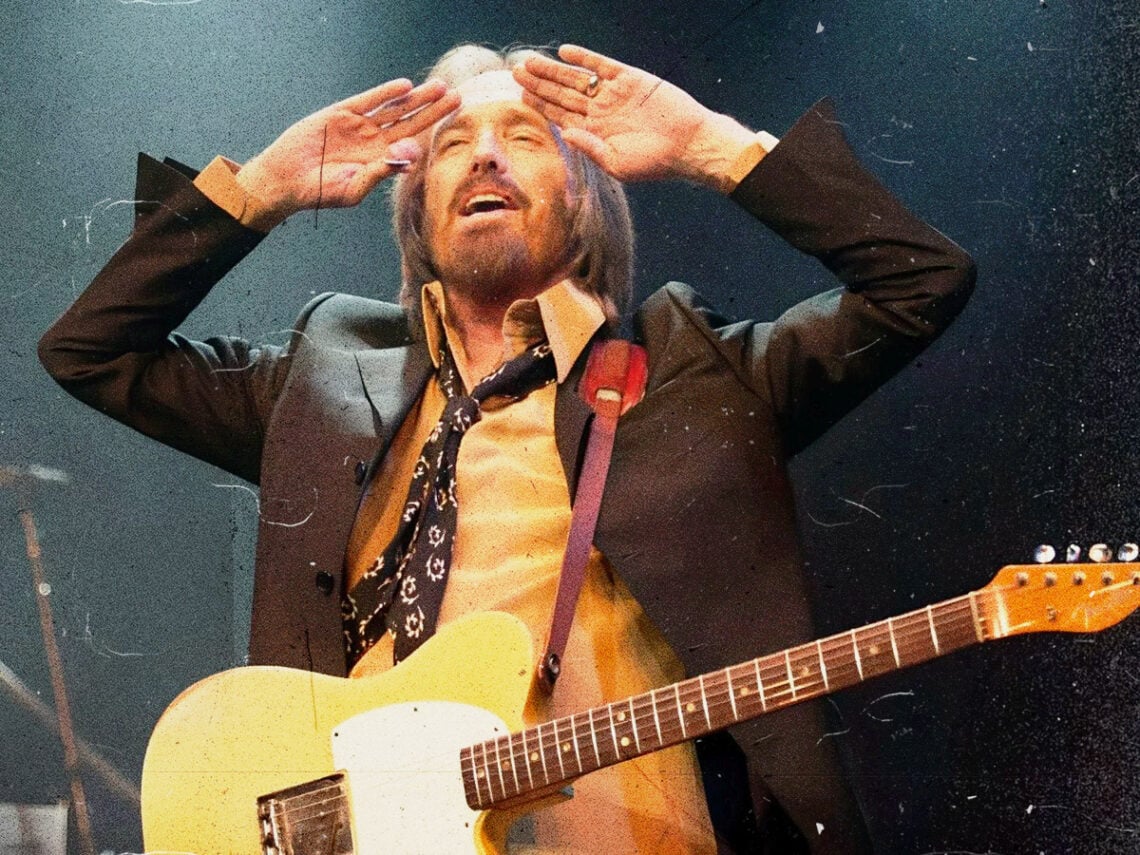
‘I Won’t Back Down’ and the arson that inspired Tom Petty’s hit

‘I Won’t Back Down’ was a song that frightened Tom Petty – because being scared ultimately shaped the track’s direction. Before sessions for Full Moon Fever were underway, an arsonist burned down his house while he, his family and housekeeper were inside. All escaped largely unharmed, but Petty, naturally, was left emotionally scarred. In the months that followed, he shuttled between a rented house and a hotel room.
With nothing left to do but think of the fire as he drove between the two, Petty started toying with what would become the lead single of his first solo album. It was a triumphant stride in a lot of senses. Not only was it his first solo venture, but a way of reclaiming the traumatic event and spinning it into a powerful call to arms, to himself, and to everyone listening: “You can stand me up at the gates of hell / But I won’t back down.”
His frankness about how intimidated he was when he recorded it was part of its charm. “That song frightened me when I wrote it,” he admitted to Harp. “I didn’t embrace it at all. It’s so obvious. I thought it wasn’t that good because it was so naked. So I had a lot of second thoughts about recording that song.”
Petty was a bag of nerves the day of, struck down by a cold that required the obvious medical interventions of one George Harrison, who laid down backing vocals and guitar on the track. Harrison saw to it that Petty stuck his head in a pot full of steaming ginger root, which he did and immediately recorded a take. Harrison’s unorthodox remedies were a silly anecdote but highlighted quite well what a group effort it was to get Petty in the right headspace to record the song.
“Everyone around me liked the song and said it was really good, and it turns out everyone was right – more people connect to that song than anything I ever wrote,” Petty reflected in 2006. “I’ve had so many people tell me that it helped them through this or it helped them through that. I’m still continually amazed about the power a little 3-minute song has.”
Its themes of overcoming adversity made it a mainstay on American radio following the September 11 attacks and was often used by politicians ahead of rallies to position themselves as men of the people, something Petty’s estate has continually had to point out was a total misuse of the track. Ultimately, the arsonist that shaped it was never caught, which made Petty’s song all the more impactful.
He’d gone from being afraid to include the word “fire” in a song to using the one intended to kill him to spur countless listeners on, imploring them not to let life defeat them.
