


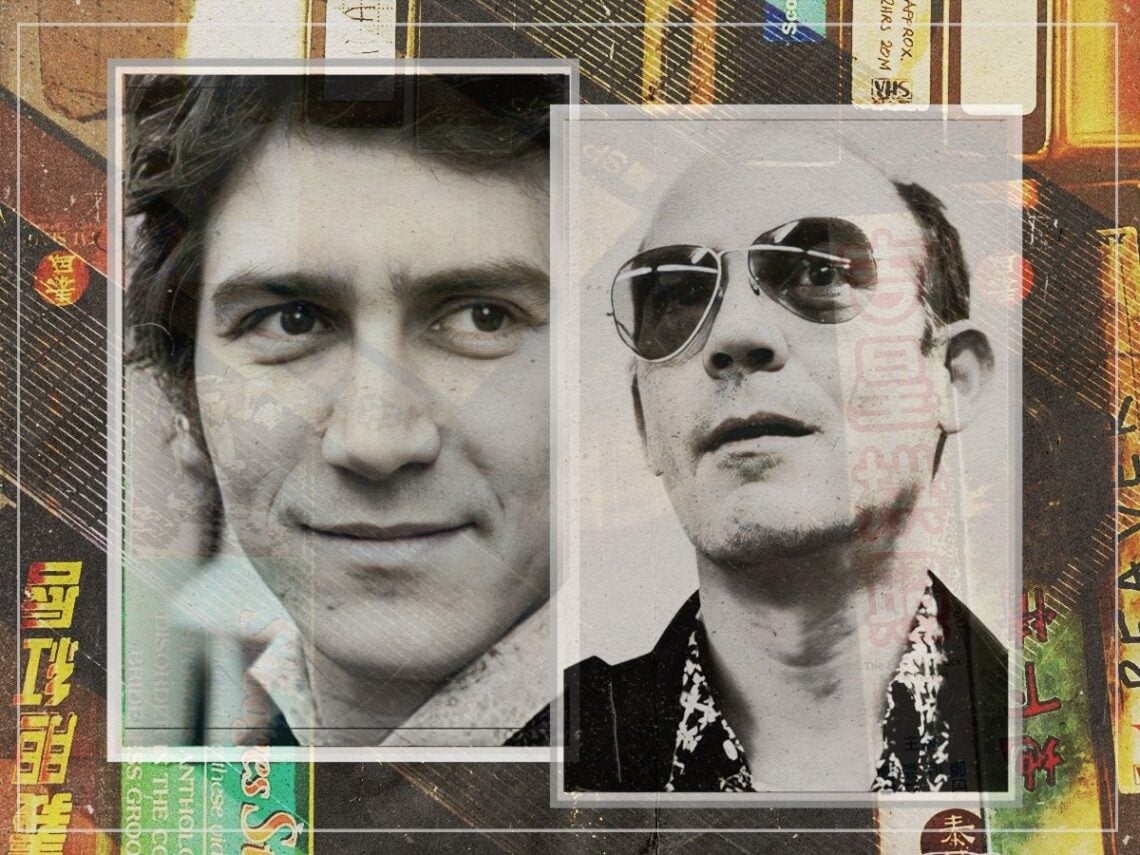
The album both Hunter S Thompson and Phil Ochs crowned the masterpiece of the 1960s

“There’s something happening here,” Buffalo Springfield sang in 1966. Ostensibly, this fabled line was written in retort to a curfew that the local authorities tried to impose to keep young people off the Sunset Strip at night, but it echoed with greater resonance, capturing the mystic revolution of the 1960s at large.
Youth culture and the conservative status quo were at loggerheads, the latter infiltrating the former in a bid to curtail the political uprising, prompting Phil Ochs to quip, “As you know, I’m a folk singer for the FBI.” In the end, the politically charged singer would become so paranoid about the authorities spying on him that he took his own life.
Decades after his death, it was revealed that he had due cause to be concerned after the FBI revealed a 500+ page dossier on Ochs. Hunter S Thompson reflected a similar sentiment that someone, somewhere was always watching during the crooked Nixon years. This led to half-comic, half-genuinely troubled musings in the likes of The Proud Highway. But he was right, too. Once again, the FBI would eventually release a heavily redacted dossier on the Gonzo Godfather.
The paradox of the muddled matter is that by the same token, both Ochs and Thompson were paragons of the freedom and liberation that the counterculture movement manoeuvred into place and relished thereafter. They guzzled drugs, stood as beacons of bohemia, thumbed their nose at authority, and felt irked by unrest, abandon, and ogling eyes as they went along. It was the best of times, it was the strangest of times.
In many ways, this made them the two defining figures of the era, oddities of odious and auspicious days never considered for mass production. Thusly, it’s also not all that surprising that they both agree on the masterpiece that seemed to muster more understanding of the deranged times than any other: Bob Dylan’s Highway 61 Revisited.
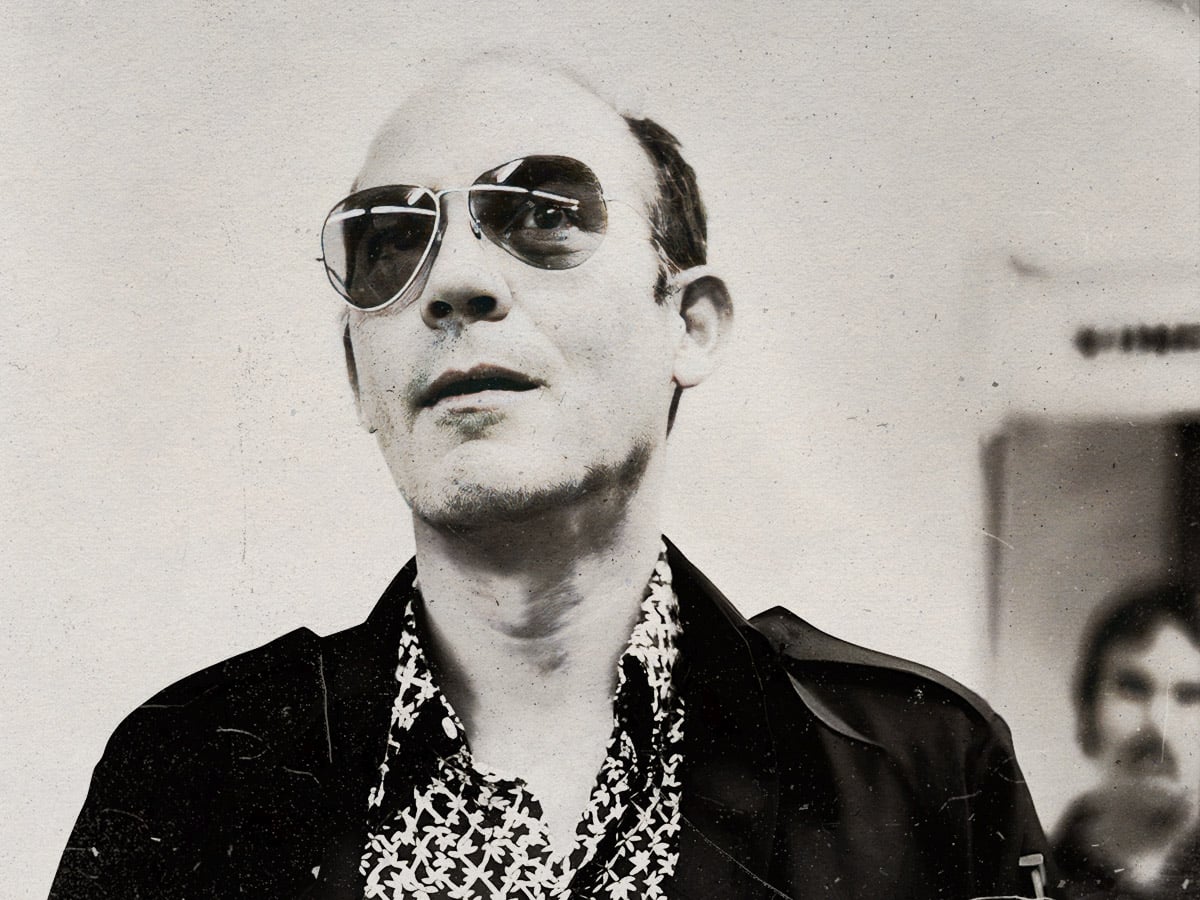
Both Thompson and Ochs, above all, were purveyors of truth, using their satire to strip away the veil of the American Dream and pry its claws from the psyche of stately society. Neither belonged steadfastly to any one scene, movement, or party, and they identified a similar spirit in Dylan’s own pointed finger. Highway 61 was an earnest reckoning of the movement he once spearheaded.
To Ochs, even at a time when his once-friendly relationship with Dylan was reaching a feuding fever pitch, he recognised it as a masterpiece. “It’s the kind of music that plants a seed in your mind and then you have to hear it several times,” he said of its many multitudes. “And as you go over it you start to hear more and more things. He’s done something that’s left the whole field ridiculously in the back of him.”
Ochs would even put himself in that humble category. Recalling the moment Dylan regaled an egotistical rant before many of his contemporaries, declaring that they shouldn’t even bother writing, Ochs said, “…he went through this whole fantastic riff on how we shouldn’t try to write, and that he was really the writer, which, on straight aesthetics, I would admit that was true. Y’know he was the best writer.”
In uncertain times, where something was happening but nobody could be sure what, it took that sort of self-assurance to pin it down. Thompson had been on the trail of it, hoping to capture it on the wing, but he figured that Dylan found it first with Highway 61, a record that quite literally took a trip from counterculture’s epicentre, back along the road to its roots.
As Thompson put it, “Bobby Dylan is the purest, most intelligent voice of our time.” And when it came to Dylan’s defining work, he listed Highway 61 Revisited as the “heaviest” when citing it among his favourite albums of all time. To Thompson, it cut through the static and captured the same poetic truth that he strove for in his own inky viscera.
