


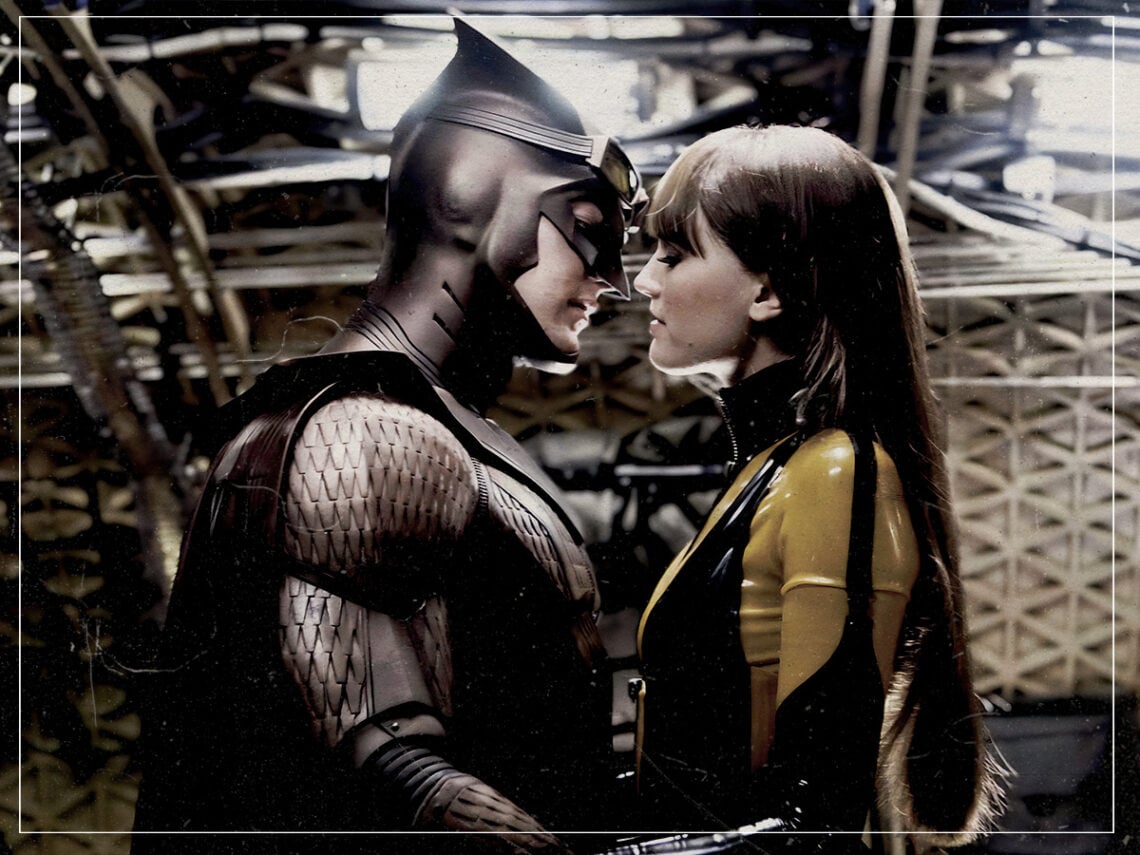
How the release of ‘Watchmen’ cancelled the ‘BioShock’ movie

Development hell is a place that it can often take decades to escape from if it even happens at all, but Zack Snyder’s Watchmen finally fleeing to make it onto the big screen inadvertently created a knock-on effect that plunged BioShock back into the depths.
An adaptation of Alan Moore and Dave Gibbons’ graphic novel had thwarted many a filmmaker since the rights were first optioned in 1986, with the project bouncing from 20th Century Fox to Warner Bros before ending up at Universal and then being offloaded to Paramount, prior to Warner Bros circling back around and finally getting it off the ground.
During that time, several notable names, including Batman screenwriter Sam Hamm, producer Joel Silver, Terry Gilliam, Paul Greengrass, and Darren Aronofsky, all tried and failed to realise Watchmen in live-action, with Snyder ultimately answering the call and releasing the R-rated subversion of the superhero story in March of 2009, where it promptly split opinion down the middle and underperformed at the box office.
Around the same time, Pirates of the Caribbean director Gore Verbinski was feverishly working away on an R-rated adaptation of his own, although the projected budgetary costs had repeatedly seen Universal stall on officially pulling the trigger on the lavish video game fantasy BioShock. Four years after Watchmen disappointed in cinemas, game developer Ken Levine confirmed the former had torpedoed Verbinski’s blockbuster.
The option was there to make BioShock on a much smaller budget, Levine would tell Euro Gamer, but the lacklustre response to Snyder’s film proved to be an obstacle that couldn’t be overcome. “Watchmen came out, and it didn’t do well for whatever reason,” he explained, “The studio then got cold feet about making an R-rated $200 million film, and they said ‘What if it was an $80 million film?’ And Gore didn’t want to make a $80 million film.”
Levine acknowledged that “they brought another director in” – which was 28 Weeks Later‘s Juan Carlos Fresnadillo – but a compromise still couldn’t be reached. “So they said if you want to kill it, kill it. And I killed it,” anointing himself as the person who hammered the final nail into BioShock‘s coffin.
It wasn’t permanent, though, with BioShock ultimately rising from the depths more than a decade later, albeit under new ownership and with a brand new creative team. In February 2022, Netflix announced it as an in-house original feature, with The Hunger Games veteran Francis Lawrence directing from a screenplay written by Logan and Blade Runner 2049‘s Michael Green.
It got there in the end, then, but if it weren’t for a combination of Watchmen failing to turn a profit and Verbinski’s insistence that he required a ridiculous amount of money, BioShock would have fled development hell significantly earlier than it did.
