How Tony Hawk inspired the creation of Disney’s ‘Tarzan’

The late 1990s was a strange time for Disney‘s animated output, with the embers of the renaissance that defined the medium from the beginning of the decade starting to flame out, as traditional hand-drawn animation found itself in real – and as it turned out, inevitable – danger of being usurped by computer-generated films.
The Little Mermaid, Beauty and the Beast, Aladdin, and The Lion King had driven the Mouse House’s two-dimensional output to new heights, but earnings gradually began to taper off. The popularity was still there, with Pocahontas, The Hunchback of Notre Dame, Hercules, and Mulan becoming widely beloved in their own right, but the studio’s productions nonetheless failed to reach the heights they’d been consistently hitting previously.
Kevin Lima and Chris Buck’s Tarzan arrested that decline somewhat, though, becoming Walt Disney Animation’s highest-grossing release since The Lion King half a decade previously, with Phil Collins winning an Academy Award in the ‘Best Original Song’ category for ‘You’ll Be in My Heart’ as part of his memorable soundtrack to the kinetic update of Edgar Rice Burrough’s classic creation.
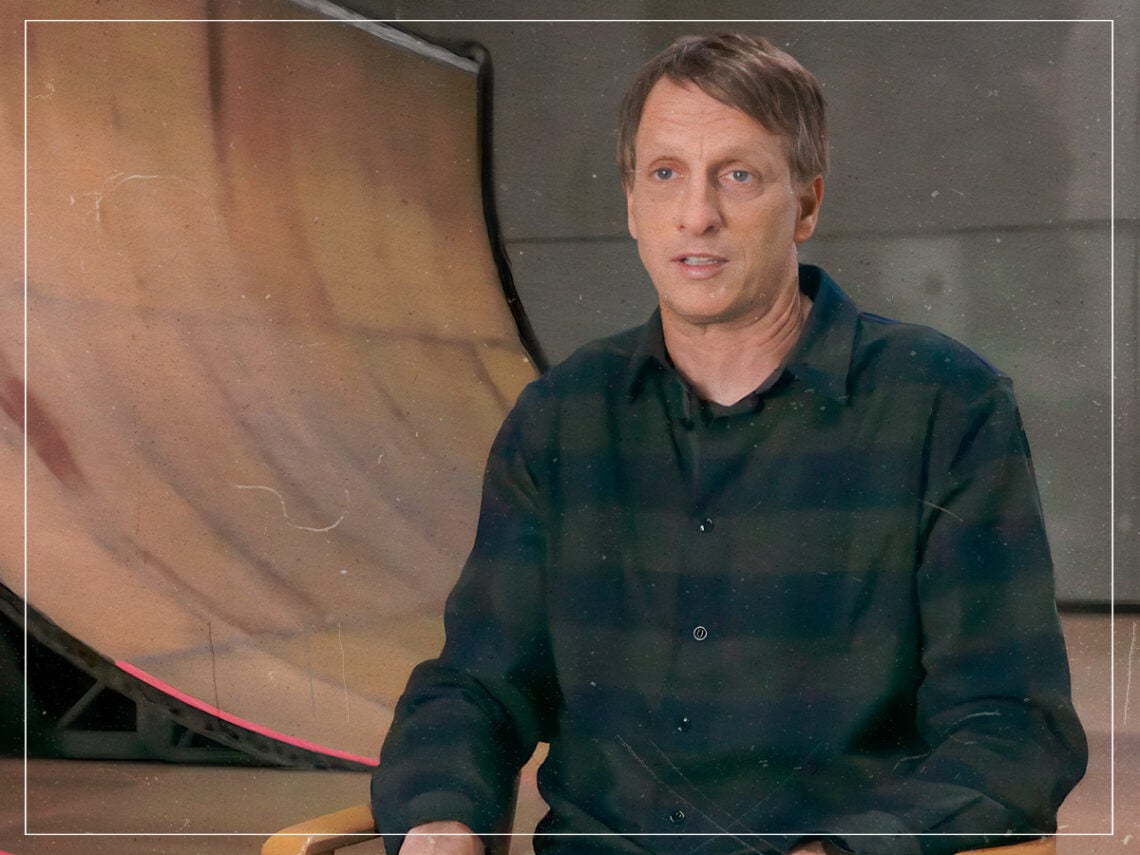
1999 was a good year for Disney, then, but it was also an exceptionally good year for Tony Hawk. That wasn’t only the year where he performed the first documented 900-degree spin on a skateboard, but with his popularity and profile at an all-time high, the first video game bearing his name was released to consoles everywhere and ended up shifting over 3.5 million copies.
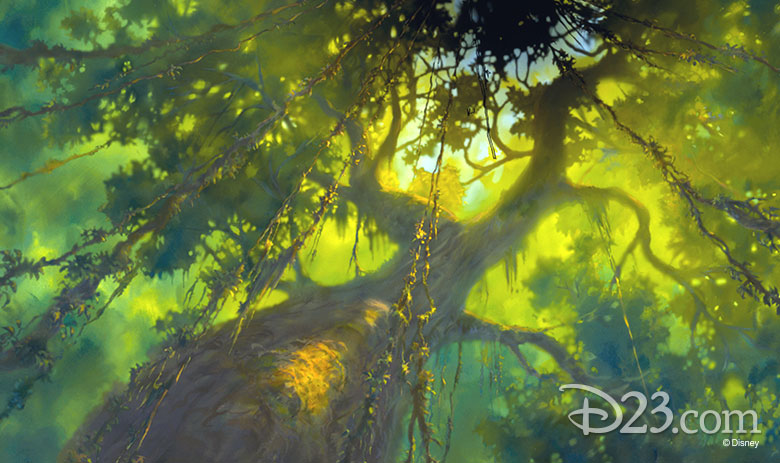
Now, a man in a loincloth who swings from trees and befriends the animal kingdom doesn’t seem to have a whole lot in common with a guy who plunges down a halfpipe and helped bring extreme sports to the mainstream to an extent never witnessed before – or arguably since – but the production team involved in Tarzan have credited Hawk with having a huge impact on the scenes where the Tony Goldwyn-voiced title hero finds himself careening through the treetops without a care in the world.
Cinema had concocted a variety of ways to display Tarzan’s tree-swinging prowess over the years, but it goes without saying nobody had stumbled upon the ingenious method of using skateboarding as the inspiration. Johnny Weissmuller certainly wouldn’t be strapping on a helmet and kickflipping his way straight into the heart of love interest Jane, but animation presents an altogether different set of circumstances.
Supervising animator Glen Keane’s son was a keen skateboarder at the time, and after discovering that Hawk was the biggest name in the profession, the Disney veteran became increasingly convinced that the best way to offer a new spin on Tarzan’s preferred mode of transport was to lean on somebody who made their living not on two feet, but on four wheels.
“Burroughs describes a Tarzan that is like a wild man, somebody that the adrenaline had to be pumping through,” Keane explained, which led him to believe “he’s an extreme sports guy”. With the lightbulb having gone off in his head, the title hero was no longer a vine-swinger but a “tree surfer”. To convince sceptical executives that he hadn’t lost his mind, the animator created test footage that was inspired directly by Hawk’s movements on a skateboard, which was enough to win over the doubters.
Hawk has made a name for himself in the social media era for sharing the countless mix-ups and confusions that arise whenever people either don’t realise who he is or fail to believe it’s actually him, and saying that he was the driving force behind how the star of an Oscar-winning Disney movie performed their unique brand of traversal certainly sounds like the anecdote that would raise an eyebrow or two. And yet, it’s entirely accurate, even if he hasn’t made a case of pushing for any residuals or royalties from Tarzan.