


How to steal from other movies and get rich from it

Do you think the key to being a successful director is talent, a good work ethic and an unwavering commitment to being true to yourself? Think again. A closer look at the world of film, and you’ll realise that the giants that walk among us are clad in the clothes of legends passed. As Pablo Picasso once said, “Good artists borrow, great artists steal”. Well, rich artists do both, then sell it back to audiences at unbelievably extortionate prices.
The beauty is, however, that only the most zealous and hardcore of film fans will ever know it. Who cares about a 15-minute YouTube essay exposing your plagiarising habits when your multi-million dollar movie is playing in cinemas worldwide? Let me ask you this: where would you rather be? Floating on a lilo in your pool, martini in one hand and a script in the other – or out of work and out of pocket, patting yourself on the back for maintaining artistic integrity?
That’s what I thought. The good news is, after extensive research and cross-examination of dozens of films, a clear and distinct pattern emerges – a path to success, if you will. Collected, consolidated and presented for your reading pleasure, the golden rules for superstardom are just within reach. So, are you a budding filmmaker with aspirations of Hollywood stardom but think originality is, well… overrated?
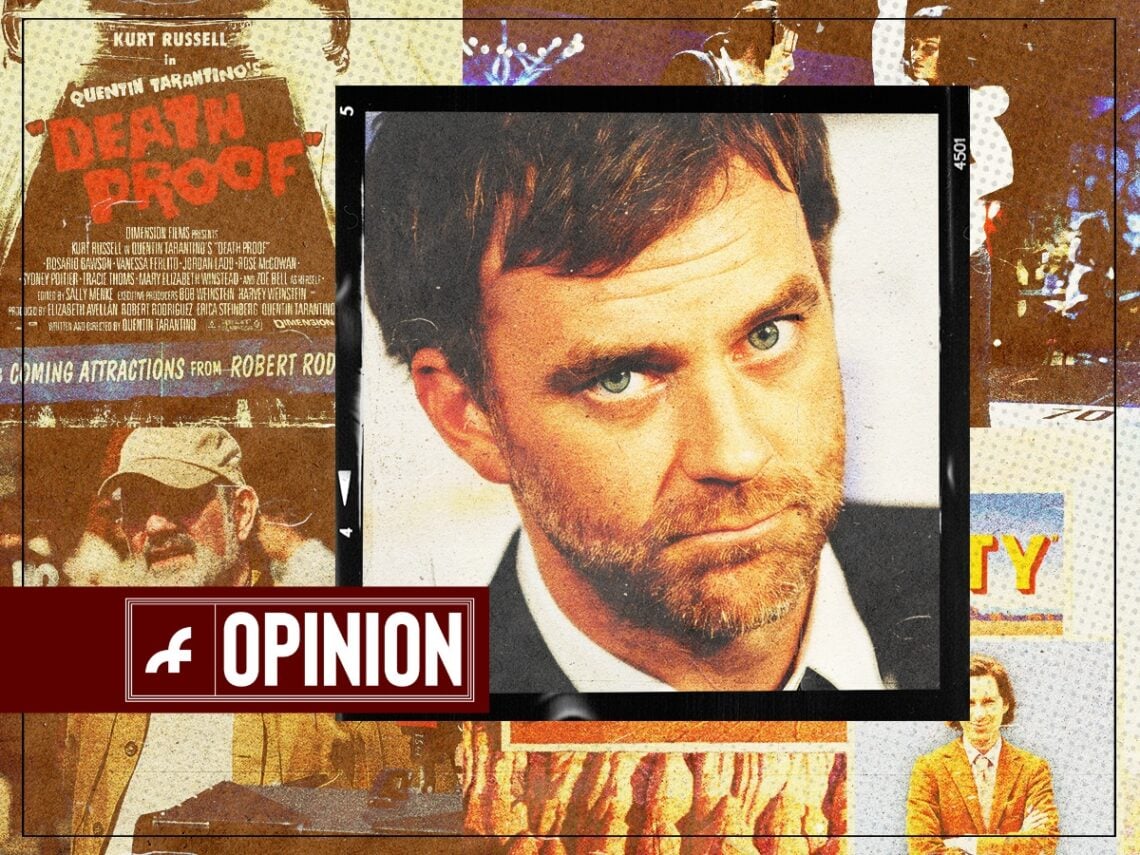
If so, lucky you, as we’ve gathered tips from the playbooks of some of the finest borrowers in the business: Quentin Tarantino, Wes Anderson, Brian De Palma, and the sneakiest borrower of them all, Paul Thomas Anderson. Buckle up, cinephiles and wannabe moviemakers, because by the end of this guide, you’ll have the chops to rob cinema history and craft it into a “fresh” masterpiece.
Without further ado, let us dive in…
How to steal from films and get rich from it
Even the most uninformed and casual audiences will probably be aware of this. You can’t talk about pinching from cinema without starting with Quentin Tarantino. Quite wisely, Tarantino never shies away from wearing his influences on his sleeve. But the extent of his “cinematic tributes” is actually quite spectacular. So, what’s his trick? To make something like Kill Bill, combine samurai epics, spaghetti westerns and ’70s pulp films. Struggling to think of how to frame a scene or stage a fight? 1973’s Lady Snowblood should have ample material for you to plunder.
Or perhaps you’re wondering what your next project should be, having dipped your toe into the grindhouse waters with the likes of Death Proof? It’s pretty simple: get two distinct genres and smash them together. Love westerns and blacksploitation? A revenge tale set in the Antebellum South should do the trick. Throw in an actor with attitude, and voilà. Remember: it’s not stealing if you call it a “homage”. Of course, don’t allow my flippancy to detract from Tarantino’s unquestionable storytelling ability.
If you prefer to go down the quainter path, à la Wes Anderson, the inspiration is clear. After making his debut feature, the messy, raw and delightfully original Bottle Rocket, it occurred to Anderson at some point that he could take inspiration from decades past – preferably the 1960s. Get your hands on some vintage Jean-Luc Godard flicks, pick an offbeat colour palette, and recruit an actor who’s as stiff as a cardboard cutout but immensely charming.
Then, of course, there’s Brian De Palma. He watched every single Alfred Hitchcock film and thought, “I can do that, but flashier!” – and boy did he deliver. With films like Dressed to Kill, Blow Out and Body Double, he took Hitchcock’s trademark of suspense and turned the style dial to 11. If your actor looks terrified, your score is eerily evocative, and the audience feels an uncanny sense of déjà vu, you’re on track.
Paul Thomas Anderson does it best
Paul Thomas Anderson, the darling of the arthouse/commercial bridge, has by far covered his tracks best. Even though he described himself once as “little Bobby Altman”, no one outside the most niche film circles paid him any attention. But he was quite literally telling us how he does it.
Bar Hard Eight and Boogie Nights, which are clearly inspired by Martin Scorsese, every single film Anderson has created includes direct motivation from director Robert Altman. Take Magnolia, a vast, sprawling ensemble piece set in a California neighbourhood with raining frogs. Swap the frogs for an earthquake, and you have Altman’s Short Cuts, which came six years earlier.
Moving on to the high-brow, literary, mud-caked western about an industrialist, There Will Be Blood and look at McCabe & Mrs Miller in 1971, and you’ll realise where the inspiration came from. Inherent Vice, meanwhile, has often been compared to It’s The Long Goodbye.
Remember, the “creative borrowing” in cinema stretches far beyond the surface. Identifying an old-fashioned filmmaker and repackaging it for modern audiences is a long-used tactic. If Picasso’s green card wasn’t enough, then perhaps these words by Ray Charles from a 2008 book, The Public Domain, further solidify the point: “Today I hear some singers who I think sound like me. Man, I know those cats must sleep with my records. But I don’t mind. I’m flattered; I understand. After all, I did the same thing.”

Never Miss A Take
The Far Out Quentin Tarantino Newsletter
All the latest Quentin Tarantino content from the independent voice of culture.
Straight to your inbox.