


How ‘The Wizard of Oz’ informed David Lynch’s ‘Wild at Heart’

The Wizard of Oz is one of the most defining films in cinema history, a beacon of surrealist hope that explores the darkness found in the world as much as the light.
You could argue that, actually, it is the ultimate encapsulation of David Lynch’s ethos, which typically explored the push and pull between good and evil – shiny, colourful exteriors and the seedy underbellies below.
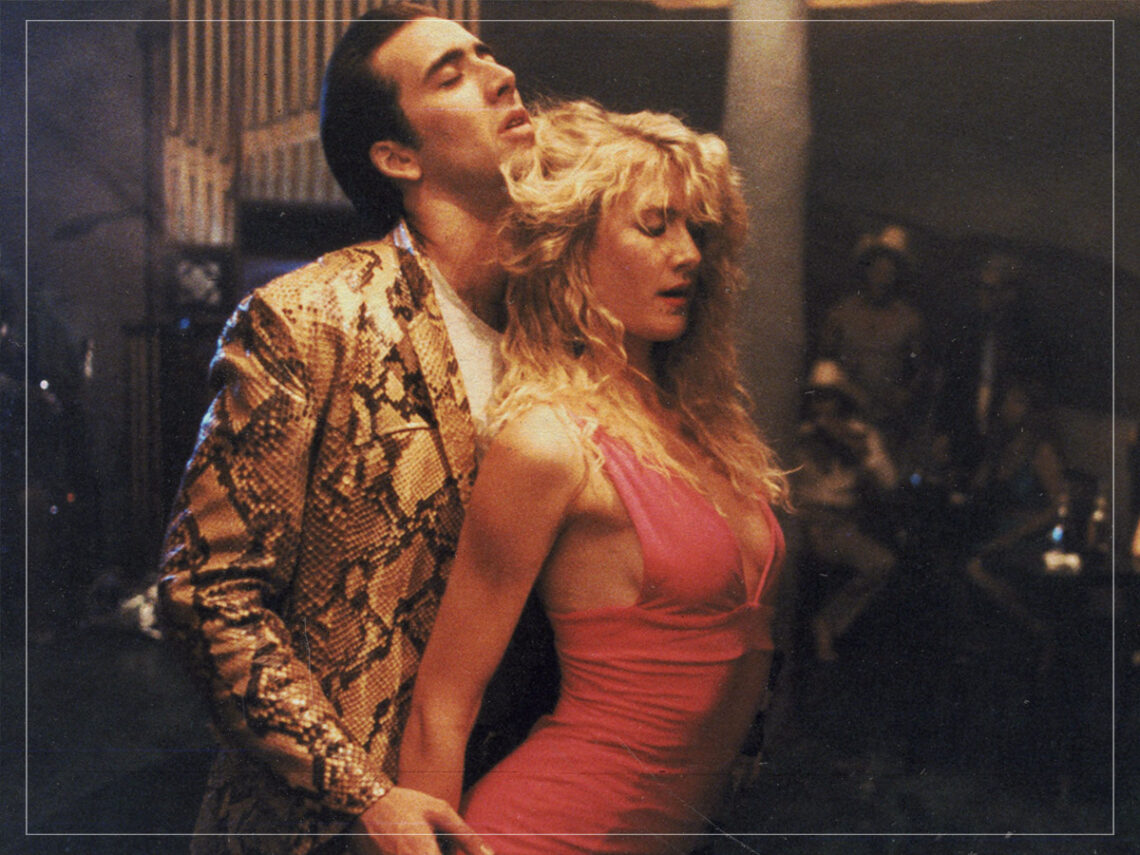
You can find references to the classic film in almost all of Lynch’s work, but none of his movies are as explicit in their love for Oz as Wild at Heart. Released in 1990, the movie takes us on a road trip with Lula and Sailor, a crazy in love couple being pursued by a killer hired by Lula’s mother to murder her boyfriend and return her daughter to safety. Having just got out of prison, Sailor breaks his parole, and off the couple journey into a world of crime, heavy metal, sex, and death.
It’s like Oz in a way, with their quest for freedom clouded with danger and terrifying creatures, like the horrific Bobby Peru – his teeth tiny and rotten and his talk sleazy and sickening. They encounter a woman dying in front of them at the scene of a bloody car crash, while a bank robbery that Sailor gets roped into goes awry.
The yellow brick road is splattered red, and as Lula tries to adjust to life on the run with her lover, she is haunted by memories of childhood sexual abuse. She wants to go home – there’s no place like it – but she doesn’t exactly know where home is if not with Sailor.
Lula’s mother paints her face with red lipstick during a deranged meltdown, akin to the green-skinned Wicked Witch of the West. Tormenting her daughter by trying to prevent her from living happily with Sailor, she takes on an evil presence, sharply contrasting the Good Witch who appears at the end of the film in the form of Sheryl Lee literally dressed as Glinda. She tells Sailor not to give up on love, and he eventually comes back to Lula and their son following his decision to leave them without him, signing himself up for a life of lone criminality.
The magic of The Wizard of the Oz informs the hope at the heart of Wild at Heart, where death and abuse lurks around every corner, but love still remains able to be found. Alongside references to Toto, and Lula clicking her heels three times just like Dorothy following a disgusting encounter with Bobby Peru, the movie is guided by its thematic dedication to The Wizard of Oz, with these characters just wanting to find home – a place somewhere over the rainbow where everything is OK and they don’t have to fear for their lives.
Wild at Heart is one of Lynch’s most accessible yet simultaneously violent, sexually-charged, and funny films. He uses a bizarre blend of tones which somehow works, with the surreal (and very on-the-nose) references to The Wizard of Oz bridging everything together. There’s hope and fantasy among Lynch’s dark vision of America, and as the film comes to an end, Lula and Sailor achieve their dream of making it over the rainbow, fully embracing each other for good.
