


How The Durutti Column’s debut made the perfect statement to launch Factory Records

There are few indie labels more revered or remembered than Factory Records. Led by Tony Wilson and Alan Erasmus, the label was instrumental in developing Manchester’s now-iconic music history. At the helm of the Haçienda and boasting an impressive roster of artists, including Joy Division, New Order and Happy Mondays, Factory Records satisfied acid-house enthusiasts and post-punk lovers in equal measure.
Before Factory Records gained the iconic reputation it now holds, it kickstarted its legacy with releases from a series of local bands. One of those bands was The Durutti Column, whose first full-length release was ironically titled The Return of The Durutti Column. The debut record may not have gained the lengthy legacy of releases by label bandmates – Joy Division’s Unknown Pleasures or New Order’s ‘Blue Monday’, for example – but that didn’t make it any less interesting.
In fact, The Return of The Durutti Column was the perfect early release to launch the innovative Factory Records. The album itself formed an understated collection of sunny sonic ambience, marked by twangy guitars and bird sounds, but it was the physical vinyl that made the record all the more interesting.
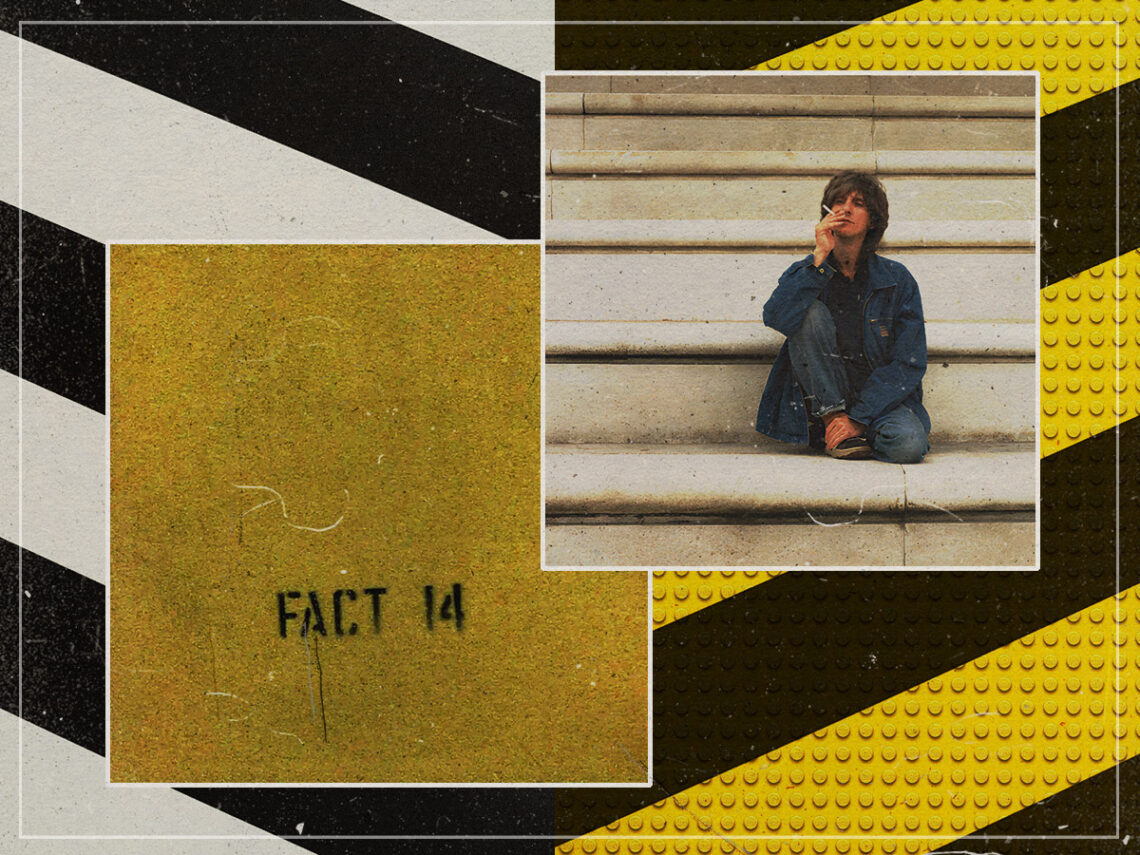
Rather than releasing the record in a normal vinyl sleeve, Factory Records opted to package their debut outing in a sandpaper sleeve inspired by the famous cover for Mémoires. The idea was that the sleeve would scratch up the rest of the records in your collection – a gimmick that should, really, work against increasing sales.
The project was also a collaborative effort between Factory Records stalwarts – it was Joy Division and A Certain Ratio who would create the sandpaper sleeves, much to The Durutti Column guitarist Vini Reilly’s embarrassment.
Initially, Reilly didn’t even know his recordings were going to form an album: “It was just the case of jumping at the chance of being in the studio,” he recalled in a conversation with The Quietus. “I actually didn’t get up in time, Martin had to physically get me out of bed to get me to the studio – that’s how little I believed it would happen. I was still doing late night petrol station shifts”.
“And then Tony got the idea from the Situationists about the sandpaper book,” he continued, “And decided to do some with a sandpaper sleeve. It was Joy Division that stuck the sandpaper onto the card. I was mortified. I didn’t really know them. I went to the Factory office, which was one room in Alan Erasmus’s house, but I had to walk out. I couldn’t bear to join in.”
Despite Reilly’s embarrassment, the innovative and seemingly counterintuitive product made the perfect statement in the label’s infancy. A collaboration between three Factory Records mainstays and a demonstration of Wilson’s ingenuity, the release preempted the label’s incoming iconic status in Manchester and in music history.
