


Subversion, pain and the British invasion: How The Cramps got their name

Gore-stained animal print, freakish, monstrous horror characters and 1950s kitsch mangled together with rockabilly flair and punk aggression to form The Cramps in 1973.
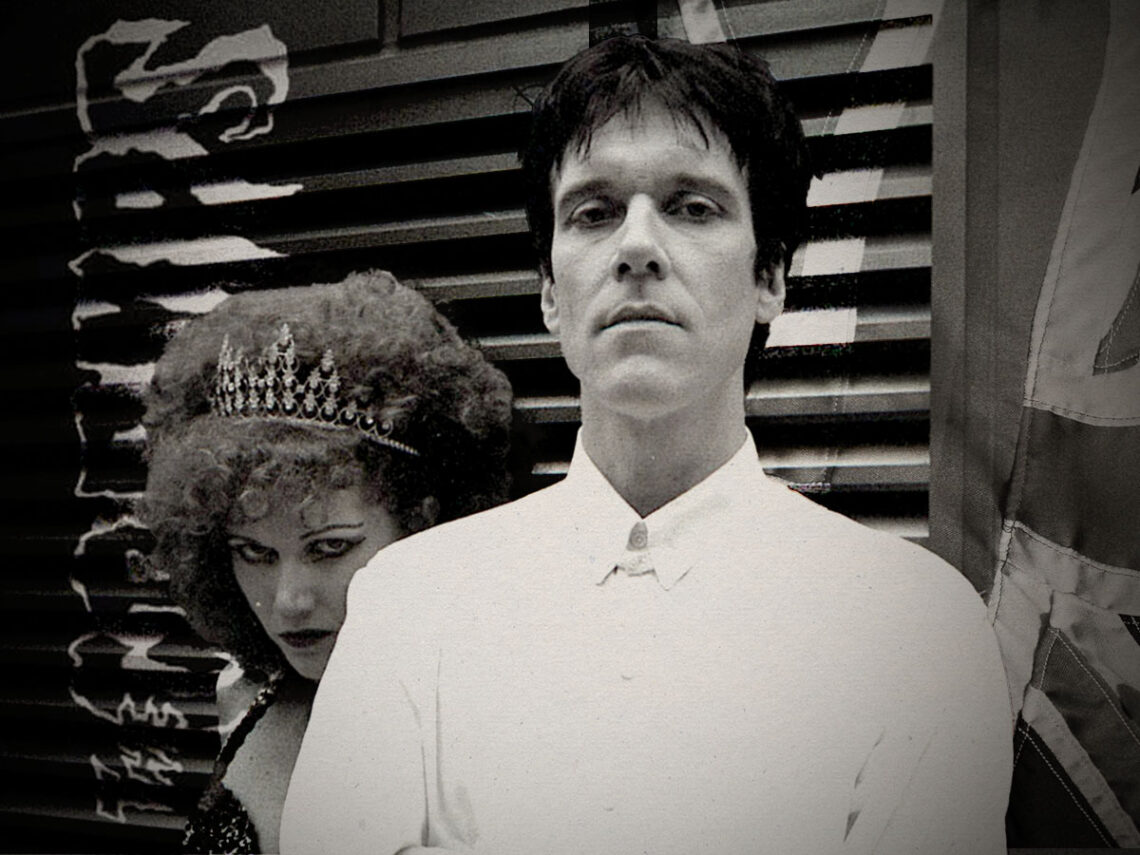
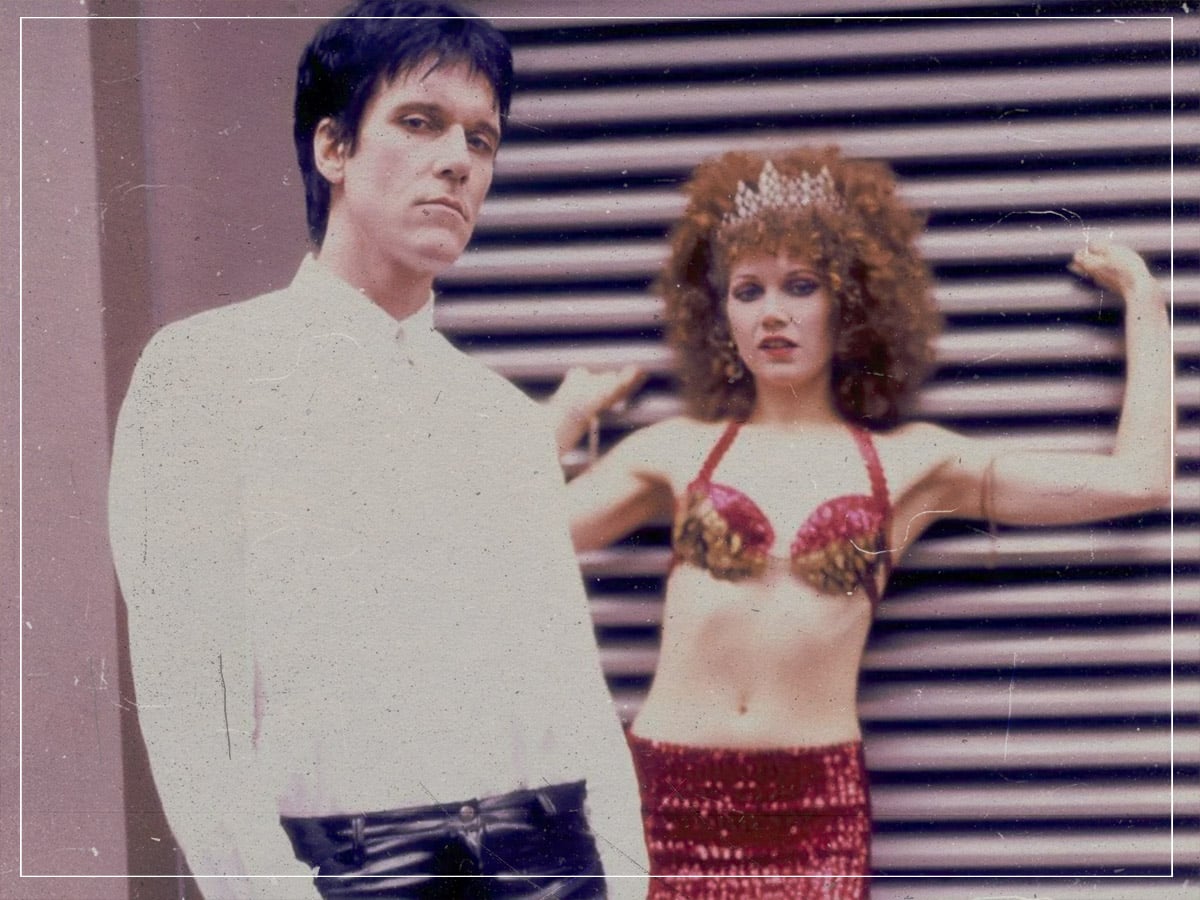
As their lore goes, Interior and Ivy first met in 1972, when they were both attending Sacramento State College as art students. Interior and his friend picked up Ivy while she was hitchhiking from campus to her apartment, and the two spoke of their course choices on the ride over. She’d mentioned one course she was looking forward to, “Art & Shamanism”, and the pair would reunite in that same course. They were bound at the hip from that point on, moving in together two weeks later.
“I think we kind of brought each other up; we’ve been together so long,” Ivy later reflected. “Getting together made us think of things to do, being partners in crime. Whereas alone, we might have just been nameless drifters. God, I do love a happy ending.”
As it is well-documented, when they decided to form a band, they also chose to take up new identities, complete with monikers that would match their sound. Interior (then Erick Lee Purkhiser) had once gone by Vip Vop, named after a 1950s R&B song by the duo Marvin and Johnny. Vip Vop soon became Raven Beauty, before changing to Lux Interior, named for a specific series of car commercials that advertised the “deluxe interiors” in their vehicles.
Ivy, formerly Kirsty Marlana Wallace, cited two references for her name change: a nod to the Batman villain, and a 1959 single by the R&B/rock group The Coasters. She lifted her new last name, Rorschach, from the inventor of the Rorschach test, in which inkblots are perceived to determine psychological patterns. She also once claimed that the name revealed itself to her during a trip on mushrooms, on which she had not eaten for six days. Regardless, the name suited her well: known for being rebellious and leaning into shock value, Poison Ivy was the perfect symbol of danger and power.
As for what their band would be called, the origins are less mysterious. The literal sensations of the name The Cramps came about quite simply, for Poison Ivy: she wanted to channel an aggression with the “gang-like feeling” of a band like The Kinks.
“Ivy thought of the name a long time ago, in ‘74 or something – she wanted to have a band called ‘The Cramps’,” Interior explained, quoted in Dick Porter’s 2015 biography, A Short History of Rock ‘n’ Roll Psychosis, Journey To The Centre Of The Cramps. “It was mainly because we really dug The Kinks.”
He continued: “We liked them a lot and felt like The Kinks stood for something that’s wrong in society, something that people try to get rid of and straighten out. We were trying to think of a name like that, and what the American counterpart would be, and we came up with ‘The Cramps’ and made it a household word.”
In the early 1960s, The Kinks pulled from a number of sources for their name – searching for “a gimmick, some edge to get them attention,” as critic Jon Savage described. Ray Davies claimed that the name came from their “kinky” fashion sense while their manager, Robert Wace, surmised that his friend suggested “The Kinks” for good publicity.
Ivy, on the other hand, went for what she understood best: among an arsenal of other names that included Bop Crazy Babies (named after the rockabilly/country singer Vern Pullens’ 1956 single), The Cramps signified what Ivy saw as a universal anguish. “At the time, it was before punk rock names, but there were names like ‘The Kinks’ and ‘The Pretty Things’, where you’re something like a gang,” Ivy said, continuing, “Everything was like ‘Aerosmith’ and ‘Featherroot’ or something. So that seemed kind of subversive, so like, everybody can be a Cramp,” she explained.
There is an obvious physicality to being a “Cramp,” too, whether that be an allusion to menstruation, or to a sharp, unshakeable pain in one’s muscles; its subversion lending to the shock value that Ivy so adored. With their spectrum of influences, across punk, horror and sci-fi film and television, fashion and more, The Cramps became a camp-fueled force in music, with the ultimate mission of bringing rockabilly and rock ‘n’ roll to the forefront, once again.
“I love the music of rockabilly, but I think we’re equally as influenced by what it was and what it meant. And it’s exactly on target as to what rock ‘n’ roll is,” Ivy explained. “Not rock music or pop music, but what rock ‘n’ roll – those words – should be. Which is stripped down, sexually-fuelled, frantic, two-and-a-half minutes that get you excited, or make you come, or explode, or something like that.” As Interior echoed, “Rockabilly was the punk rock of the 1950s.”
