


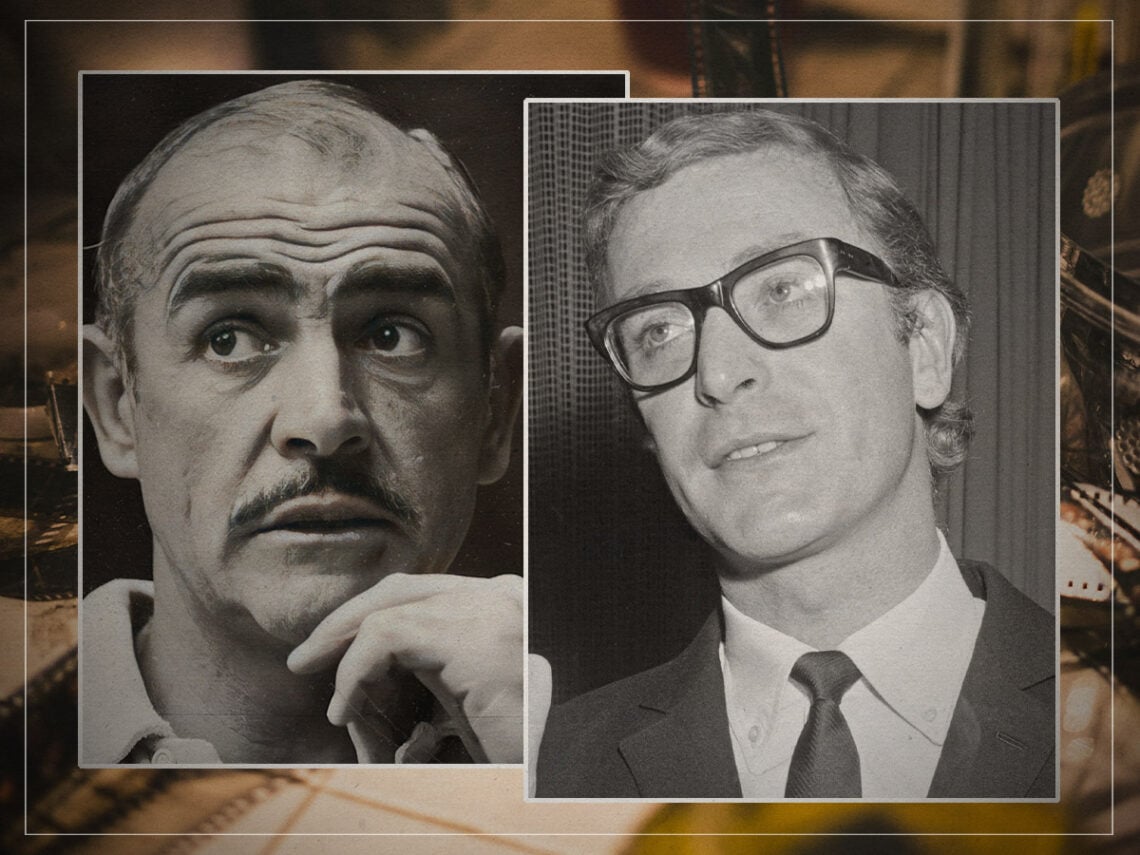
How Sean Connery made Michael Caine feel like he’d “screwed up” his career

Michael Caine’s cinematic legacy can never be disputed. Sure, he appeared in Jaws: The Revenge, but he has also won two Oscars. The man has range, and that’s what you need in this game.
Yet, there was a time when he wasn’t as sure in his position in the industry, finding himself unable to shake away his worries about his progress – scared that he was going to be left behind as a failed actor while his contemporaries prospered. Loopedy loops and barrel rolls galore, one thing is for sure, being an actor doesn’t come with a linear trajectory. In fact, in some cases, it can take years and years for someone to finally break through the cloud and find blue sky success.
The actor had been desperately trying to get off the ground for years before he finally caught the right gust of wind and landed a prominent role in 1964’s Zulu, having made his screen debut in Morning Departure over a decade earlier. Acting is a competitive business, and while he was never hoping for their downfall, the likes of Sean Connery ascending to the top of the tree and nabbing lead roles certainly caught his eye.
Caine and Connery had emerged from working-class backgrounds, albeit from different sides of the border. Their rise reflected a new era for British cinema where class boundaries began to blur into an indistinguishable line. As Connery began to leap into successful territory, Caine felt like he was stuck, writing about these pivotal years of his early career in his book The Elephant to Hollywood.
“I did the television version of The Caine Mutiny Court Martial [which is actually the film that the actor initially took his name from], and caught up with Sean Connery again in the television play of Requiem for a Heavyweight. Sean had the lead in this while I had only a small part. This started a new anxiety for me; my contemporaries were forging ahead, and I was still making no real progress,” he wrote.
Caine was feeling the pressure, and wouldn’t you be? But the worries soon melted away when, just a few years later, he gained an Academy Award nomination for his defining role in Alfie. The nod would allow him to say goodbye to the grey skies of London and get his pasty skin burned in the sun of Los Angeles. But without the foresight to see this success, the doom of failure loomed large.
“This point was brought home to me again when I was given the part of a policeman in a film The Day the Earth Caught Fire. The star of this was my old friend Eddie Judd. Not only was I in deep despair, panic began to settle in. Was I being left behind? These guys had started out at the same time as me, and were beginning to accomplish so much. Perhaps I was really useless after all. I did not feel jealousy at their success, just fear at my own inadequacies. It was all fine while we were all in trouble together, but now I started to feel increasingly isolated.”
Poor Caine could’ve let these anxieties get the better of him, but instead he persevered. He eventually became an acting heavyweight and a British cultural icon, harnessing a career that far outlasted Connery and Judd.

Never Miss A Tale
The Far Out Michael Caine Newsletter
All the latest stories about Michael Caine from the independent voice of culture.
Straight to your inbox.