


How Hollywood became obsessed with itself

Hollywood gives out some distinguished genres and additions each year, some being directed straight for the Oscars. In between the budget-blowing blockbusters and the cliche comedies, the film industry pushes out some ‘hard-hitting’ and emotionally charged dramas, presented in a refined and sophisticated palette.
These dramas can borrow from other genres, such as family and romantic. However, Hollywood seems to be growing fascinated by a more self-referential type. Biographical dramas that document a real filmmaker’s life or the process of making a well-known classic is a logline that’s taking up a lot of recent scripts.
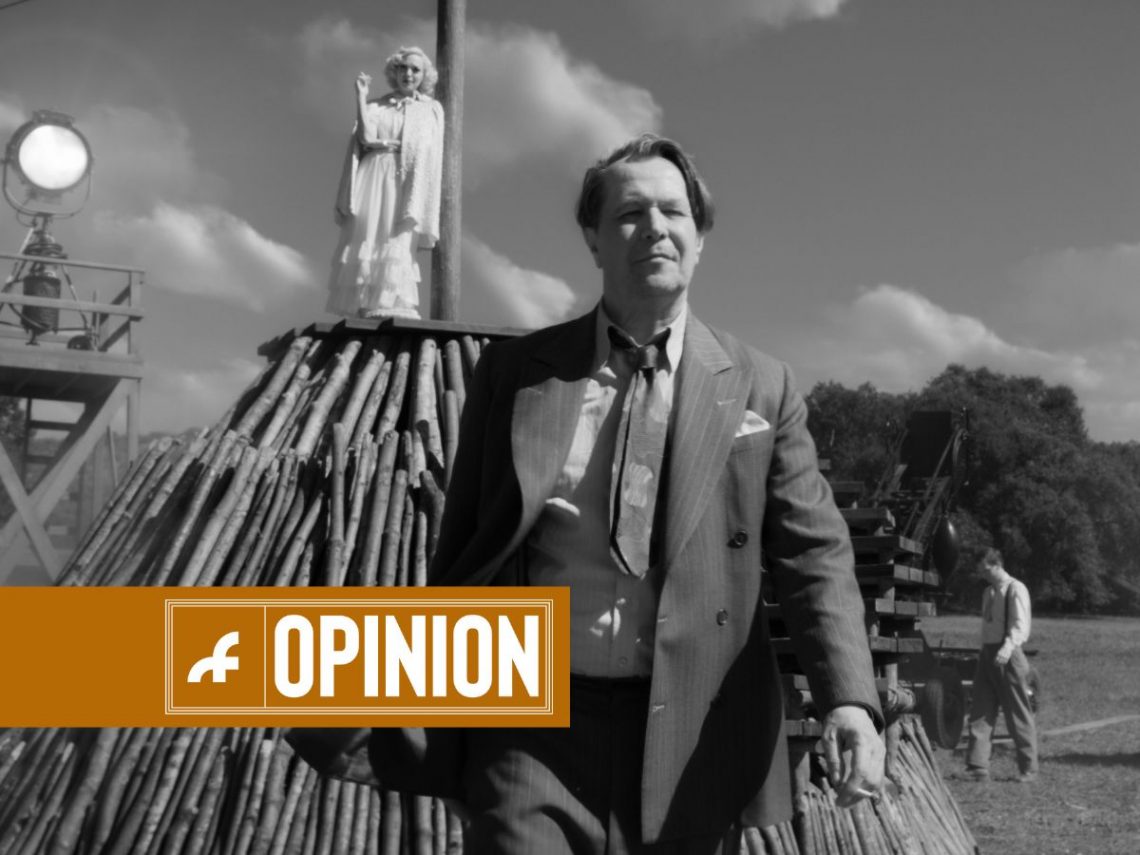
An example of such a film is Mank, a two-hour black-and-white Netflix original that shows how screenwriter Herman J. Mankiewicz wrote the screenplay for Citizen Kane (1941). It was directed by David Fincher and based on a screenplay by his late father Jack Fincher, starring Gary Oldman.
Orson Welles’ Citizen Kane is a vital addition to Hollywood and filmmaking, so much so that the moment audiences and critics hear that Mank is a film about that film, a heavy expectation is placed upon it, such as respecting and celebrating such a classic piece of work. It seemed to meet these expectations, however, as the film earned ten nominations at the 91st Academy Awards, one being Best Picture. Essentially, the Academy, as an extension of the film industry, seems to love and immediately recognise films about its own industry.
This genre of a film about another film can also be used to cite other films such as Ed Wood, Tim Burton’s film about ambitious yet delusional filmmaker Ed Wood, and Hugo which provides a history lesson on the whole of film and received Oscar nominations. Hollywood sure does seem to love Hollywood.
This self-interested collection of stories can be traced back to the ’50s, with films exploring other areas of the entertainment industry such as A Star is Born in 1959. In 1962, Vincente Minnelli directed Two Weeks in Another Town, which tells a story of Hollywood in the Tiber era and is about Hollywood stars. Other classic films such as Whatever Happened To Baby Jane? feature some of the darker aspects hiding behind Hollywood’s gold and glamour.
Leading from this, Hollywood seems to be fascinated by its own downsides and disastrous effects, especially on its women stars. In 2019, Renée Zellweger played the beloved star Judy Garland in Judy. This drama documented The Wizard of Oz star in the later years of her life once her addictions and demons had impacted her film career. It’s not much of a secret that Garland suffered horribly as a result of Hollywood’s high demands, even developing a drug addiction because studio directors indirectly advised her to.
The most recent example of this obsession with Hollywood women suffering is Andrew Dominick’s distasteful attempt at a biopic Blonde, the true story of Marilyn Monroe but it’s fictionalised. This film convinced itself it was sharing the life story of screen icon Monroe.
Instead, it just spewed one fabricated life after another and exploited Monroe and what she allegedly suffered at the hands of Hollywood. This was all to fit the mould of a trauma pornographic drama, designed to scream “look at me!” to the Academy as award bait. Hollywood is so obsessed with itself, it even has no issue showing its more negative sides or just lying, as long as it still gets to talk about itself.
The Blonde director seems to think he has earned some Oscar nominations with this unethical fantasy. Considering the Academy loves a biographical drama that just weighs itself down with intense emotional punches, that may, unfortunately, be the case. It’s not like Monroe should be able to rest in peace, free from her legacy being disrespected, just so someone who was born after she died can take home a trophy.
Hollywood making films about Hollywood has some potential roots. It may be running out of original ideas in between Marvel thrill rides, leading to rehashing historical landmarks out of bottom-of-the-barrel nostalgia. This can be hidden under a community-driven facade of “hey, film fans and film historians! look what we made for you!”
Films about Hollywood immediately capture the audience of film buffs. Therefore, widespread attraction is guaranteed. These stories are already familiar to audiences and can attract certain fans of directors and stars.
Furthermore, this build-up of biographical dramas about the film industry may just be a result of the film industry’s own self-indulgence and self-satisfied interest. When Hollywood makes a film about an event or film from Hollywood, it not only celebrates that specific event but itself, and obsessive pride can become addictive.
