


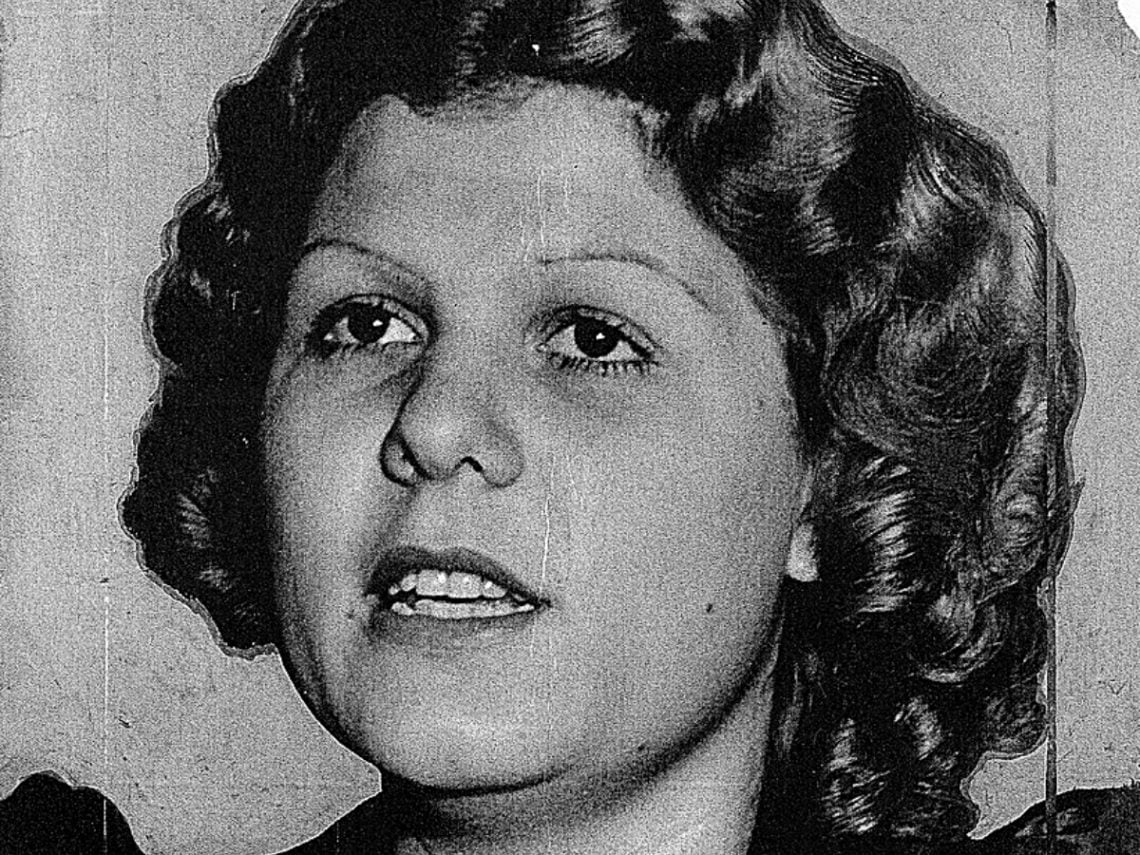
The tragic story of how Hollywood abused Patricia Douglas

Born in 1917 in Kansas City, Missouri, Patricia Douglas dreamt of the glitz and glam of Hollywood, moving to Los Angeles with her mother to find work in the movie industry. After dropping out of school at 14, Douglas dedicated her time and effort to building her dream career on the big screen, like the actors she watched and adored. Later, she found some success, appearing as a backup dancer in Mervyn LeRoy’s musical Gold Diggers of 1933 and then So This is Africa, directed by Edward F. Cline and released in 1933.
However, Douglas realised the corruption, immorality and tragedy hiding behind the show business lights, falling victim to the predators the industry works so hard to protect from prosecution. On the evening of Wednesday, May 5th, 1937, a 20-year-old Douglas, accompanied by more than 120 other young women, were hired to work at an MGM party under the premise that they would be working on a film. At the party, Douglas was allegedly forced to drink alcohol by the studio’s salesman David Ross, who is then said to have targeted her. Ross allegedly followed her outside as she looked for a place to vomit, and Douglas claims that he sexually assaulted her after dragging her into a car in a nearby field.
After being found screaming and staggering for help, Douglas was taken to Culver City Community Hospital to be treated. The story soon broke, with the Daily Times publishing Douglas’ picture alongside the headline ‘Wild Film Party. Assault told by Girl, 17’. The report shared the victim’s name, face and address as the culprit, and the studio remained unnamed and protected. What followed was one of the most prominent Hollywood scandals ever seen, with Douglas being the first woman to take on a film studio for sexual assault. The dancer hired Buron Fitts to be her district attorney for the case. However, Fitts was then accused of taking bribes from MGM by Samuel Marx in his 1990 book Deadly Illusions.
After the case was initially dismissed, Douglas turned to attorney William J. F. Brown. However, nothing she could do could intimidate or overthrow the studio that prided its status in Hollywood through the slogan emphasising it owns “more stars than there are in heaven”. Douglas then claims MGM responded to the case by creating a smear campaign against her, tarnishing her reputation and framing her as immoral and promiscuous to protect Ross and others.
This alleged campaign included manipulating two dancers to describe Douglas as “unrefined” and a drunk in an act of shaming to eliminate Douglas’ reliability. Another was told to claim the party was “a jolly affair, with lots of good clean fun”. This attack exhibits the attitude and abuse many Hollywood studios have exercised in the past, going to extreme lengths to protect their seedy and immoral behaviour. Studios have been known to abuse trust and power dynamics in the process, as Douglas highlighted the tipped alliance and the expectations performers have: “You’re trusting with the studios. You’re not expecting anything except to work in a movie. That’s what you’re there for.”
MGM has several other immoral incidents they attempted to conceal, such as the abuse Judy Garland and other cast members of The Wizard of Oz experienced on set and allegedly trapping stars into exploitative contracts.
Douglas retired from the industry after her assault and the further allegations of mistreatment she suffered at the hands of MGM. After intense struggles with her relationships due to the mental and emotional trauma she experienced, Douglas reappeared on camera to discuss her experience in director David Stenn’s documentary Girl 27, released in 2007. This documentary followed the 2003 Vanity Fair article Sternn wrote on the case: “The Patricia Douglas case is probably the biggest, best-suppressed scandal in Hollywood history”.
Stenn’s documentary is constructed from archived footage from classic films, alongside first-person interviews to dissect the power politics of Hollywood. He also explores the public perceptions of cases and victims that prevent many people from coming forward. Other names appearing in the documentary include Loretta Young, who conceived a child, Judy Lewis, after being allegedly assaulted by Clark ‘The King of Hollywood’ Gable during the shooting of Gone with the Wind, another incident studios were said to have covered up at Young’s expense.
Douglas passed away on November 11th, 2003, from an unidentified illness. Her story is one of many in the entertainment industry, with only contemporary cases such as Harvey Weinstein or Dr Luke receiving any justice or commence. “I think she [Douglas] wouldn’t be surprised about the allegations [coming out today], and I think she would be modest about being the pioneer in this field,” Stenn shared with Yahoo Entertainment when comparing Douglas’s story with recent victims. “I don’t think she ever saw herself as special or unique, and she was both.”

