



How Glasgow is making the world a better place

Scotland has the history and charm of ancient Edinburgh, with its Old Town and castle, as well as the dramatic beauty of the Highlands and the islands, all of which combined provide a near spiritual travel experience.
Then there’s Glasgow, which might just be the very best of all, not only because of how thrilling it can be for tourists, but for all of the good that it’s doing for its local community and the nation on the whole.
Unfortunately, Glasgow is a hostage to stereotypes, such that it’s hard to think of a British city more well-known for being gritty. The patter comes thick and fast, the accent hard to understand at times, the weather is tough, and the people tougher, there’s the cross-city hatred between Rangers and Celtic, and then there’s the cuisine, which is 50 shades of beige from deep-fried Mars Bars to the iconic ‘munchy box’.
The reality is that this isn’t Glasgow: it’s not the rougher, dirtier sibling of Edinburgh but is a city full of surprises that’s far warmer than the rain would let you think. In fact, for a city that’s often thought of as grey, its name actually comes from the Gaelic word for grey-green hollow, known as ‘Glaschu’, and while the weather can sometimes be wet, depressing, and so very, very grey, this city could barely be greener.
For nine straight years Glasgow has featured in the top ten of the Global Destination Sustainability Index, which analyses and breaks down cities and how sustainable their tourism is based on over 70 criteria that centring around four key themes: Environmental performance, from clean air to the uptake of renewable energy sources; social progress, which takes into account safety and quality of life, for residents and guests alike; sestination management, which measure the efficiency of the tourism board to strategise for climate action, and finally, supplier performance, which checks how sustainable local travel-facing businesses are, such as whether restaurants serve local food.
In 2025, the city rose from eighth to fifth in the world rankings, with the Nordics the only real competition, as Helsinki, Gothenburg and Copenhagen hold the top three spots.
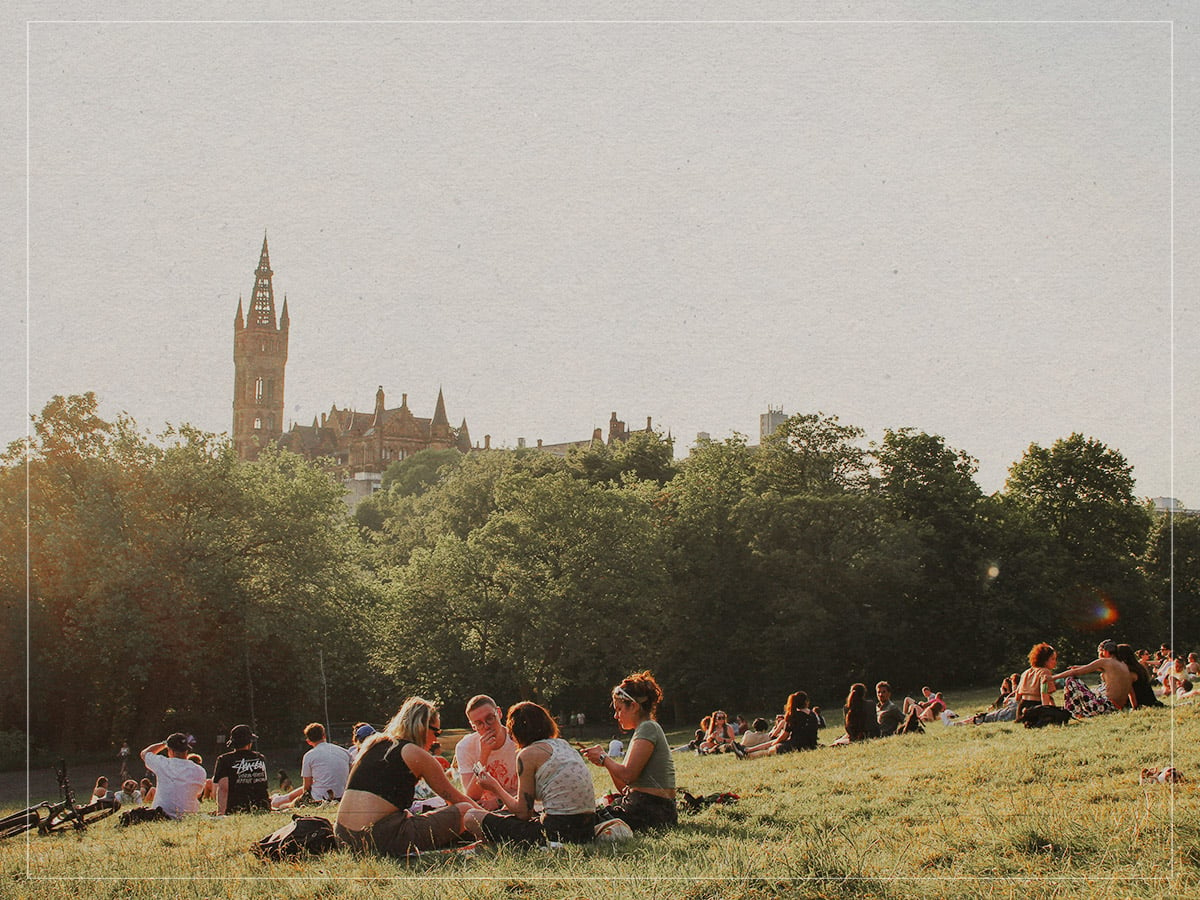
The city is far greener than many would think, and it’s estimated that eight in every ten children live within 400 metres of publicly owned green space, which is an incredible achievement and one that should make most other British cities feel an element of shame. With over 90 parks, Glasgow is somewhere that allows all of its residents the chance to relax in nature and breathe good, clean air.
Over the past few years, it, much like others in the UK, has implemented a low-emissions zone, and it’s paying dividends, with air quality dramatically improving since the implementation in 2023. In late 2025, data showed that nitrogen dioxide levels had dropped a staggering 34% from their pre-enforcement levels. Elsewhere in the city, there’s been a push for renewable transport, and they have gone out of their way to build new bike paths and bring bike-for-hire schemes to the general public. Some of the costs of the investments in E-bikes, as well as other schemes, came from revenue raised by the low-emission zones. An increase in charging ports for electric vehicles has also furthered its status as a city of sustainability.
They’ve also piloted adding Copenhagen-style rewards, including discounts for tourist destinations, to visitors who use green travel, and 2025’s Sustainable Food Directory points hungry tourists towards restaurants with local and seasonal Scottish grub. The Trees for Streets campaign has also looked to get residents to sponsor trees in their streets, in order to increase forestry within the city and reduce carbon.
Now, 2026 is the year of ‘The Avenues’, a large-scale £115m construction project that will see 16 key streets redesigned to prioritise pedestrians and cyclists over cars, alongside which there’ll be hundreds of new trees planted and improved drainage. With Glasgow looking to reach Net Zero by 2030, it doesn’t seem like the city is slowing down with its green aspirations anytime soon, and in a world that’s looking increasingly inward, it’s refreshing to see a city make such bold, socially-conscious decisions, which is a huge benefit not just for locals and travellers, but the wider planet too.
