


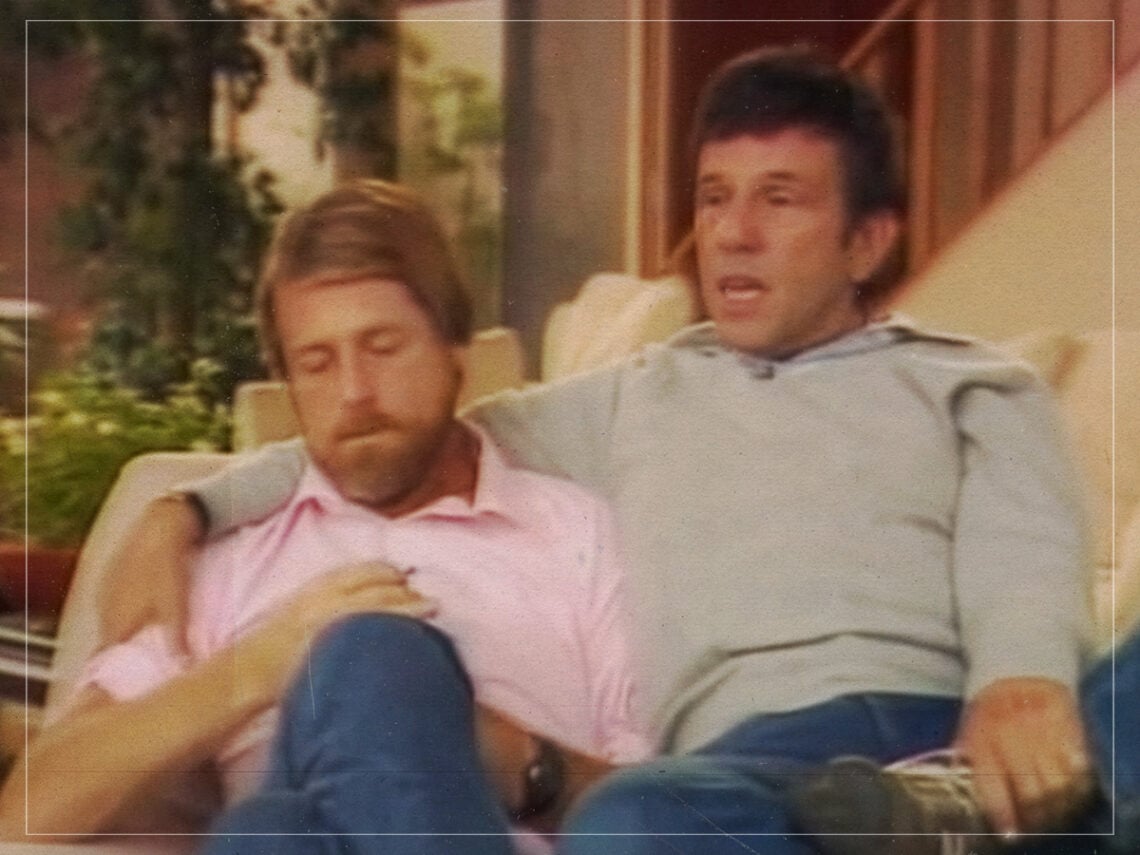
How did Brian Wilson first meet Eugene Landy?

Anyone vaguely familiar with the history of The Beach Boys will know that large portions of their output were characterised by the dramatic changes in the psychological well-being of their leader and principal songwriter, Brian Wilson.
While his genius was undoubtedly on display for large amounts of the 1960s, either on some of the band’s exceptional single releases or their lavish and conceptual studio records, even some of the band’s greatest works display elements of Wilson’s mental decline. His decision to depart from the group was largely a result of him experiencing extreme levels of creative burnout, and yet, while he was in the studio attempting to focus solely on writing material, his drug and alcohol abuse would become increasingly concerning.
However, while his own self-destructive patterns of behaviour were evidently doing damage to his wellbeing, it was the actions of some of those in his immediate circle who ended up causing more harm to Wilson. While the domineering figure of his own father, Murry Wilson, hung over him like a dark cloud in the early part of his career, it was his psychologist, Eugene Landy, who for almost two decades would exert frightening levels of control over the songwriter.
Landy already had a reputation within the entertainment industry as being the go-to psychologist to deal with famous people who were undergoing challenging periods, whether that was with general mental exhaustion or offering a course of rehabilitation from drug and alcohol dependency. Wilson’s struggles with paranoia, depression and hallucinations were a growing concern, and with Landy’s reputation in dealing with public figures, his friends and relatives decided to get in touch with him.
It was Wilson’s then-wife Marilyn who first made contact with Landy in 1975, after a lengthy period of having asked his cousin, Stan Love, to tend to his needs and ensure his safety. With Love unable to provide exactly what was required from a professional psychiatric point of view, Marilyn found herself at something of a loss as to how to cope, which could have been the reason why she ended up making the grave error of inviting Landy into their lives.
While not classed as a charlatan as such, Landy’s psychiatric methods were controversial and unorthodox, such as undergoing intensive 24-hour treatments. However, the more concerning elements of Landy’s practices were not to do with his professional approach, but his lack of general professionalism in his conduct. When his rates went up from $10,000 per month to add an extra zero, Marilyn immediately chose to fire Landy from his role as Wilson’s therapist, with him also having begun to make unwanted interventions into his creative work.
However, when Wilson experienced an overdose in 1982, desperation led those around Wilson to call upon Landy once again, and his nefarious practices only ended up becoming more damaging the second time around. Landy would insert himself into the life of Wilson in extremely invasive ways and began to dictate his every move, both in his personal and professional life. There would eventually reach a point where Landy was assisting Wilson with his work and co-writing material; a step too far, as many around Wilson were concerned.


Wilson’s feelings towards Landy were allegedly mixed, with him fluctuating between being completely unfazed by his psychologist’s omnipresence in his life and becoming completely overcome with rage towards him. Such was Wilson’s fragile mental state that it was difficult for him to comprehend the damage that was being done, and Landy was able to completely and utterly exploit his patient as a result.
While it’s easy to debate who had the greatest negative impact on the life of Wilson of all the people who abused and took advantage of his schizoaffective and bipolar disorders, Landy being introduced to him in 1975 and never permanently being gone until 1992, was arguably one of the longest-running ordeals that Wilson had to undergo. Had he been seen to by someone with good intentions, perhaps such large portions of his career wouldn’t have been absorbed by the misdeeds of such a callous individual.

Never Miss A Tale
The Far Out Classic Rock Newsletter
All the latest Classic Rock content from the independent voice of culture.
Straight to your inbox.