


Why is Hollywood addicted to the music biopic?

Hollywood really knows how to milk a good cash cow. Consider the amount of pointless Marvel movies the American film industry churns out every year. As Martin Scorsese has argued in the past, these blockbuster CGI extravaganzas are manifestations of industry gluttony. The executives at the top of the food chain know superhero flicks will always bring in a crowd, so they give them the green light without hesitation.
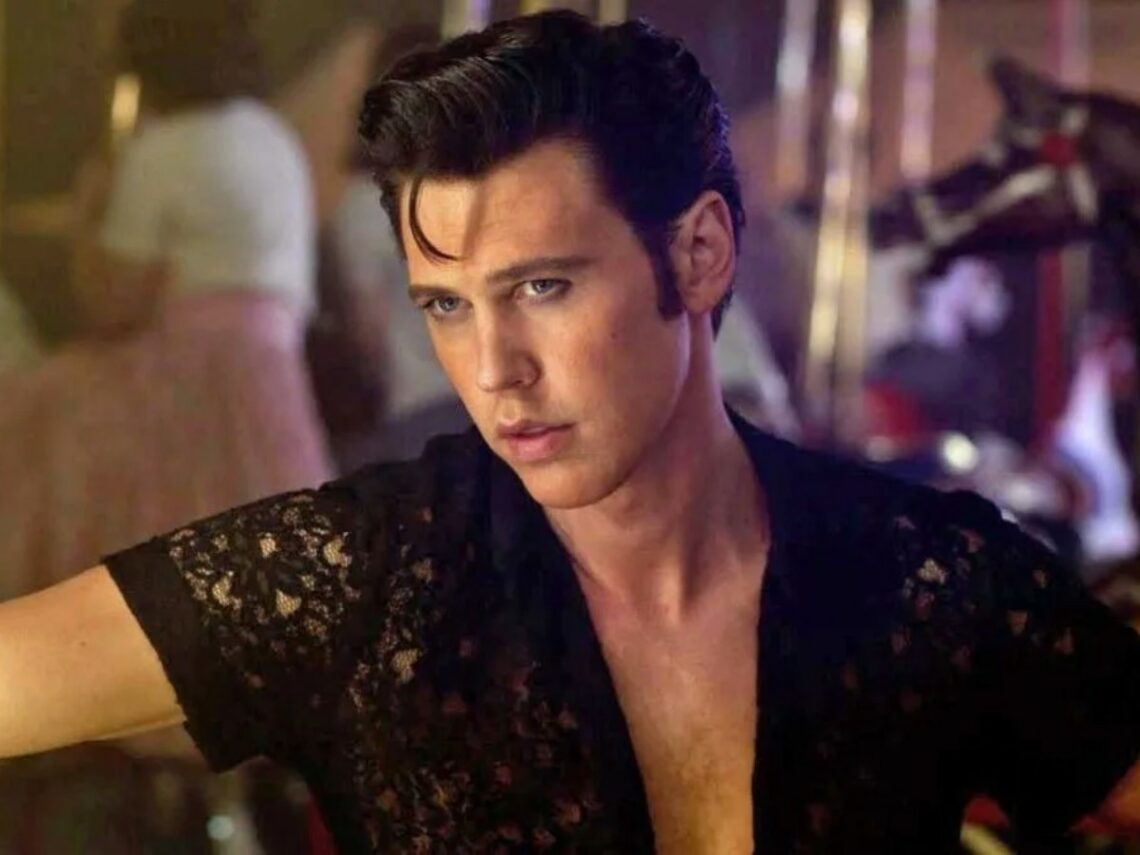
The same is true of music biopics. Though they’re notoriously difficult to pull off, films about musicians rarely struggle at the box office. 2022’s Elvis was made on a budget of $87million and earned a dizzying $287.3million worldwide, making it the second highest-grossing musical biopic of all time after Bohemian Rhapsody, which earned $910million worldwide on a production budget of $50million. Generally speaking, the bigger the name, the bigger the profit. But even biopics about comparatively obscure musicians like Loretta Lynn have made jaw-dropping amounts of money. The 1980 Loretta Lynn film Coal Miner’s Daughter raked in something crazy like $67.8million, while 2019’s Judy – which stars Renée Zellweger as Judy Garland – grossed over $70million.
Hollywood is doing a stellar job of giving us what we want, but what is it that audiences find so interesting about music biopics? Well, for one thing, they offer a neat framework for talking about political, historical or cultural moments viewers would otherwise find off-putting. 2015’s Amy, for example, isn’t just a film about Amy Winehouse; it’s a film about British media habits in the 2000s. Amadeus, meanwhile, isn’t purely about Mozart’s music – it also invites us into the gilded world of 18th-century Europe.
While Bohemian Rhapsody does pay attention to the AIDS crisis of the 1980s, the 2019 picture – just one of countless music biopics released that year – is more interested in the spectacle of Queen than the band’s historical context. That brings us to another key reason Hollywood seems unable to ween itself off music biopics: the influence of the musicians themselves. The remaining members of Queen were desperate to tell their story, and they made around £100,000 a day from doing so. The vast amounts of money involved in such projects often lead to a lack of historical accuracy, with complex stories being systematically simplified into “greatest hits” bonanzas. Of course, this transformation of real-life characters into goodies and baddies is a huge part of the appeal for a modern audience obsessed with narrative order.
The most successful music biopics combine generational nostalgia with familiar narrative arcs, one of the most popular of which sees the musical genius grapple with (and eventually succumb to) their inner demons. This is an essential aspect of ‘I Saw The Light’, in which Tom Hiddleston plays country music legend Hank Williams. Behind all those lilting country ballads, the film tells us Williams was an alcoholic drug abuser with serious marriage problems. It’s also a huge part of what made Elvis so successful. Iconic cultural figures tend to be shrouded in mystery, and we love getting to see what was going on behind the scenes.
We also love to see an actor deliver an eerily accurate portrayal of an iconic figure. Method actors like Marlon Brando strove to avoid imitation, but in the world of biographical filmmaking, mimicry isn’t just welcomed – it’s celebrated. Audiences love the idea that an actor can replicate everything about a person, from their facial expressions and vocal ticks to their internal psychology. When done effectively, the viewer forgets they’re watching an actor on a screen and becomes fully immersed in the drama, emerging 90 minutes later only to declare: “You know, at times, I really thought I was watching the actual Elvis.”
It might be that Hollywood is addicted to movie biopics because we, the audience, are addicted to music biopics. They’re loud, proud and frequently star-studded: what’s not to love? I mean, apart from all the unbearable cliches. Of course, only time will tell if our fascination with musicians and their stories turns out to be perennial.
