


Exploring the shady history of the mafia within the music industry

As with many business dealings over the last century, it may come as no surprise to learn that the mafia has had its hands in the music industry. Several dodgy characters, particularly in the Italian and Jewish mobs, have played a hand in the development of musical ventures.
The music industry was of great interest to the mob for several reasons. For starters, for a large part of the 20th century, many transactions were made in cash, including jukebox takings, drink sales at venues, artist revenue and vinyl sales.
So too, was the music industry a perpetually moving industry, with constant new releases hitting the shelves. This meant that there was always money to be made. Music was also a central focus at many mafia-owned enterprises, such as nightclubs and bars. However, now that much of the music industry has become digitalised and the influence of the mafia on contemporary business has waned, the mob has largely left the industry. Some have also argued that the belief that the mafia controlled the music business is overstated.
Jerry Wexler of Atlantic records said: “The mafia would like to control the record industry, but they have never managed to. They’re just on the fringes: selling cut-out records, pressing, independent promotion.”
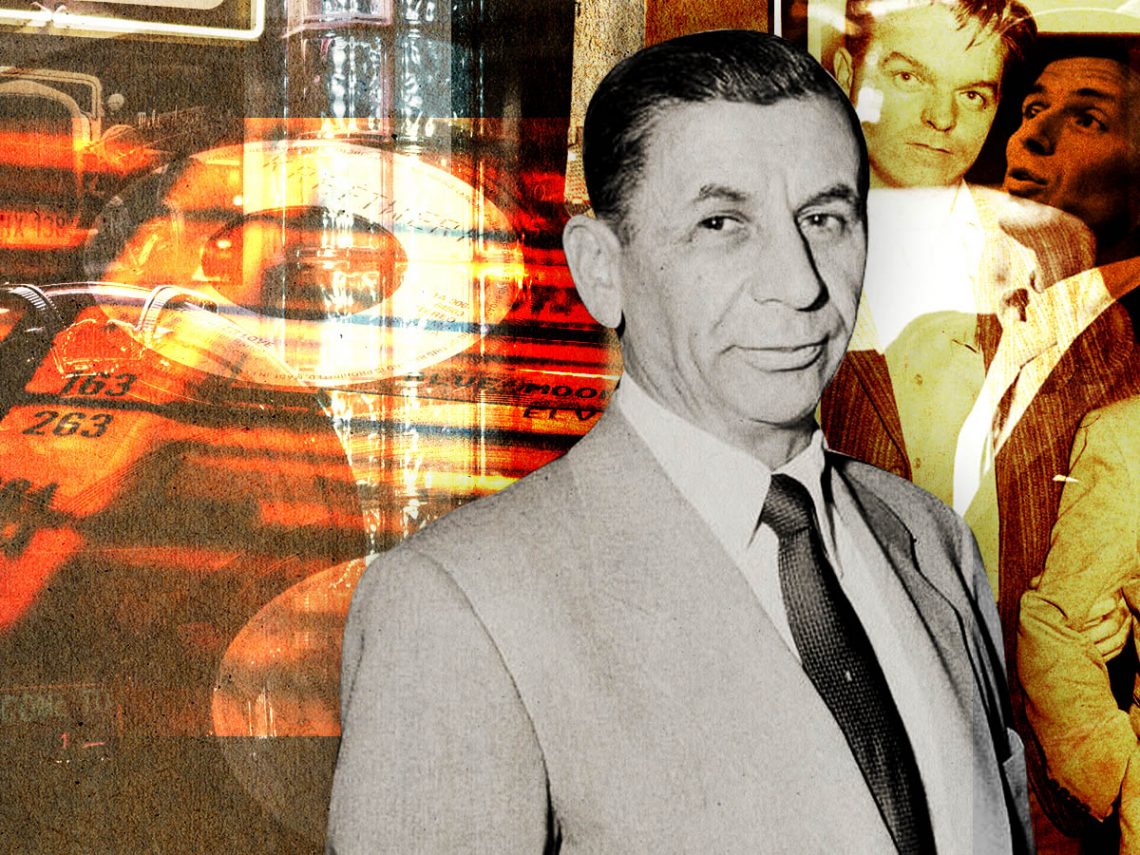
However, it appears that at least a handful of mafia figures have played a hand in the industry. Take, for instance, Meyer Lansky, AKA the “mob’s accountant”. He was one of the most successful mafiosos in history and had many investments in jukeboxes. Reportedly, he “controlled every Wurlitzer jukebox in the New York area”.
So too, did the Chicago Outfit (who rose to power under Al Capone) have many dealings with Lansky and his jukeboxes. A mob history book, The Outfit, argues that the Wurlitzer Corporation accused Lansky and his Chicago associates of disrupting the distribution of Wurlitzer jukeboxes.
The Outfit is also said to have held a close working relationship with Jules Stein, head of the Music Corporation of America. Apparently, Stein, the mob, MCA and Meyer Lansky had all worked at least in some form with the mob fixer, Sidney Korshak, a prominent mafia name in Los Angeles.
Finally, Morris Levy is said to have had close ties with the Genovese crime family. Levy is the notorious head of the record label Roulette Records. Reportedly, Levy had used illicit money from the family to fund his businesses, with several members of the mob said to be present at his meetings.
