


Hear Me Out: 1990s comedies are just pure trash

Other than sleaze and sexist jokes, is there really much more to them? The sex jokes, the laughter track, the sandpaper film grain, if an alien were to learn of humanity through the comedy films of the 1990s, heaven help them. They’re sleazy and god-damn awful, and yet the ’90s comedy flick is something people keep closer to their chest than a deck of cards. Some will claim our affection for them comes from a nostalgia for simpler times: when the home computer was a singular entity, struggling to function and the size of a suitcase.
When Twitter hadn’t taken over our lives yet, all the will inside your body was being used to wish yourself onto an episode of Top of The Pops. Of course, the memories of childhood are always going to swing what should be remembered as a terrible movie into a personal cult classic, but looking back on the stereotypes and the ridiculous CGI, how was it we loved these films so much despite their garish displays of trashy filmmaking?
The answer comes in the form of Clueless director Charlie Lyne. Where high-school comedies were at their peak in the ’90s, and Lyne’s fashion-savvy re-imagining of Jane Austen’s Emma took over teenage girlhood by storm, what happened with films during the ’90s, Lyne states, was a “massive lowering of the barrier to make a fairly serviceable film.” Ultimately, for that decade, it was quantity over quality, and where this desire to overproduce could be disguised by a semi-decent acting job in a teen drama, for the action flicks with grand explosions or the comedy with one-too-many outdated lines, many viewers take to them now with a wincing eye.
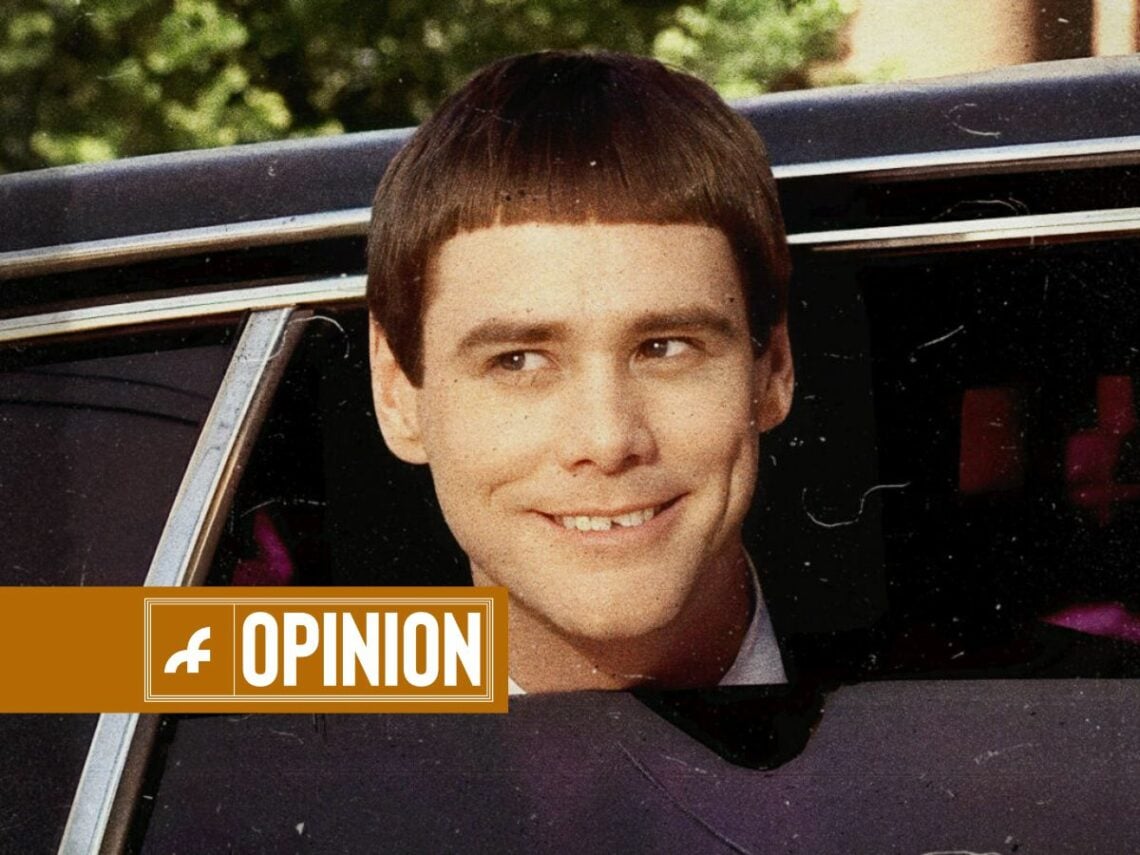
The ’90s comedy is full of things we now love to hate: the corny sexism often in the guise of characters like Austin Powers, over-expressive faces and a Jim Carrey-esque take towards goofiness; to make a film at the turn of the millennium called for one thing and one thing only it seemed, to be silly. The UK had just seen the end to an 11-year spout of Thatcherism, and America had just seeped its way out of the Cold War Years. Everyone, it appeared, was asking for a well-earned break, and where the people of today turn to reality TV and game shows to lull their brains after a long day, the low-stakes entertainment of films like Wayne’s World & Coneheads seemed to do the same job 30 years ago.
Comedy, more than any genre, is very much flung with risks as it attempts to stand the test of time. Political correctness and feminist discourse have made immense moves in the past couple of decades, and it’s this that seems to call out the sleaziness of these otherwise iconic classics. The slow pan-up of Cameron Diaz in 1994’s The Mask to the questionably coined genre of ‘body comedy’ that encompassed Eddie Murphy’s 1996 film The Nutty Professor. It’s the sort of thing we try and overlook, we cringe at but try to relish the rest, and yet there’s always that lingering sense of it not sitting right with us anymore.
Of course, as the same goes with any decade, during the ’90s, there were the golden few. The slick selection towered over the rest, but contemporary film buffs still look to it with a snooty head and a criticism ready to roll off the tongue – Pulp Fiction, Jurassic Park, The Matrix. Big Directors were establishing their name, and iconic film series were planting their roots. But as the indie film was beginning to garner traction, comedy struggled to find new nuances. Formulas work, but how many buddy road trip comedies do we need, or dysfunctional family sitcoms? They all felt the same, and none of them really had that much of an edge. After a season of Friends or a binge of Dumb & Dumber, why bother watching anything else? Stereotypes and generic plot structures became a result of mass-market populism. Comedy should be about the element of surprise, and after enough years of genre regurgitations, the ’90s felt oversaturated with the same tacky one-liners and predictable tropes.
And so, it seems that the ’90s was a kiln for the kitsch, with outlandish storylines and garish characters looming left, right and centre. With the rise of home video seeing ascension since the 1980s, the goofball classics of the decade felt less reliant on box office wins and could take their jokes to the television set much quicker.
Perhaps what we should love about ’90s comedy is that it never took itself too seriously, and at the time, it didn’t need to. Where there are problems to look back on, there are also some infamous catchphrases and some cringeworthy but memorable characters. We know where we are with the likes of American Pie and Mrs Doubtfire, we know what to expect, and we know we’re going to get it. Each narrative may have felt plucked from a canister with shoddy set design and poor budgets, but sometimes we craved it. After all, one man’s trash is another man’s popery.
