


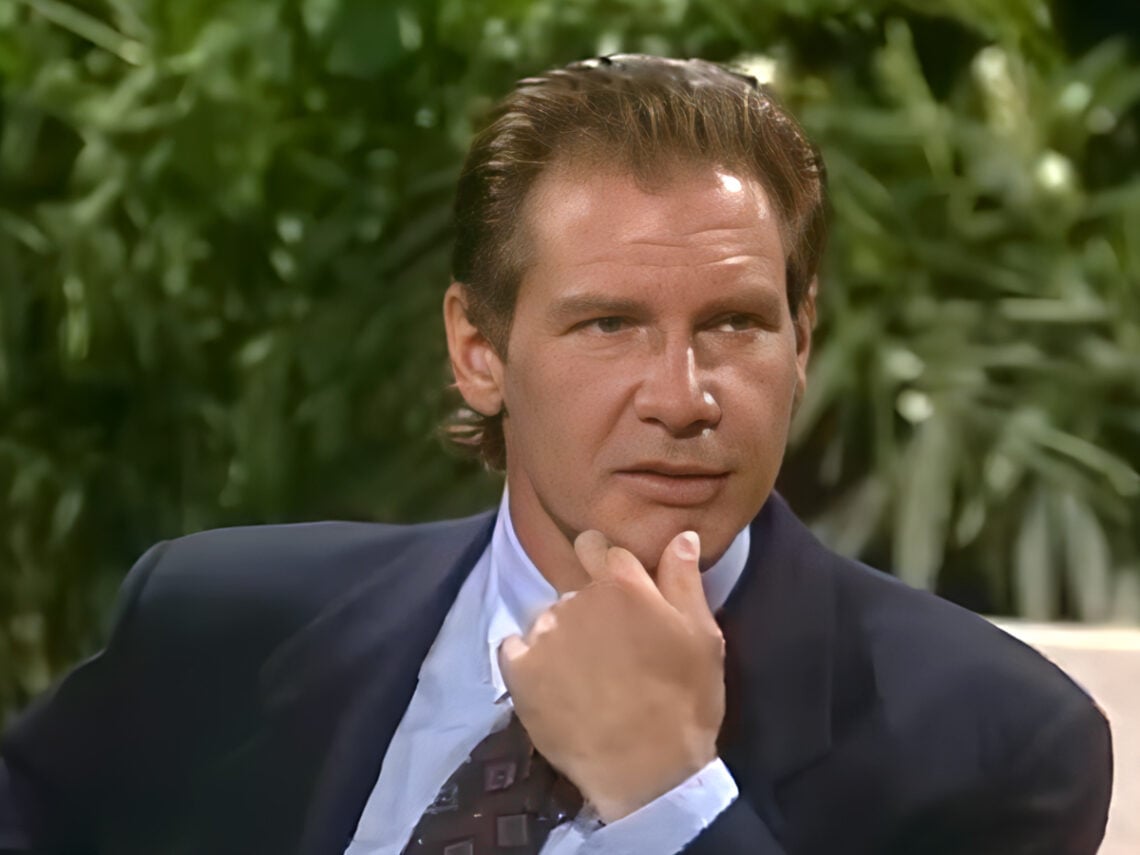
The Harrison Ford movie Martin Scorsese refused to direct: “I didn’t want to make those”

In 1983, The King of Comedy was released in US cinemas and vanished within two weeks. To the horror of its director, Martin Scorsese, the film performed so poorly at the box office that Entertainment Tonight famously declared it the flop of the year. Scorsese subsequently hit a rough patch in the mid-1980s, struggling to find a way forward in his career. Fascinatingly, during this period, he turned down the chance to direct a Harrison Ford film that would go on to rack up eight Academy Award nominations.
The path to awards glory for Ford’s film also began in 1983, just as Scorsese was reeling from his biggest failure yet. Producer Edward S Feldman received a script titled Called Home, which ran a mammoth 182 pages. The story of an Amish woman who witnesses a murder in Los Angeles originated from novelist Pamela Wallace before being adapted into a screenplay by TV western writers Earl W Wallace and William Kelley.
Feldman loved the concept and paid the two scribes to do a rewrite that streamlined the tale and placed more emphasis on the thriller elements. He then took it to Fox, who surprisingly rejected the chance to make the film because the studio didn’t make “rural movies”. Feldman believed in the script, though, so he sent it to Ford’s agent, who called the producer back only four days later to say the Indiana Jones star wanted to commit to the film. An emboldened Feldman returned to Fox with his A-list star attached – but the studio still said no.
However, all was not lost because Paramount Pictures soon snapped up the project, and the script began making the rounds of directors. Once again, though, the process didn’t run smoothly. Saturday Night Fever’s John Badham had no interest in the project—now called Witness—because he believed it was “just another cop movie”. David Cronenberg said no, supposedly because he “could never be a fan of the Amish”, and other directors passed without much serious consideration.
By the time the script made its way to Scorsese’s desk, though, he was in the middle of a full existential crisis. He had tried to get his long-gestating passion project, The Last Temptation of Christ, off the ground, but it fell through at the 11th hour. He told Deadline in 2020 that he genuinely believed his career was dead in the water, admitting, “It was dead stop. Time to go home. Time to start all over again. You’re out of time and out-of-place. You’re out of place, it’s over.”
The cinema legend’s belief in himself was so shaken that he began to consider what kind of director he could be if he wasn’t able to make the pictures he truly loved anymore. “Could you survive – me at that time – a different kind of TV?” he pondered. “Could you survive doing extremely low budget? Could you survive working in a studio situation?”
Ultimately, though, the idea of becoming a hired studio hand didn’t appeal to Scorsese, even when he was down on his luck. It wasn’t for a lack of options, though.
“I was getting many scripts. Witness, Beverly Hills Cop, there were a lot. But I didn’t want to make those. Then you choose your course. It’s a harder course.”
martin scorsese
In truth, it’s hard to imagine why Scorsese lumped Witness and Beverly Hills Cop together in his head. After all, they couldn’t be more different in style, focus, and tone. However, perhaps he suffered from the same thing as other directors at the time, who couldn’t look past the cop thriller trappings to see the fascinating drama underneath.
Either way, the Australian director Peter Weir eventually came on board to helm the film in his Hollywood debut, and landed a ‘Best Director’ nomination for his trouble. Instead of directing Witness, Scorsese made the low-budget black comedy After Hours. Alongside 1986’s The Colour of Money, these two pictures steadied the ship for him, and by 1990, he was back on top with Goodfellas. For his part, Ford also got his own back on Scorsese – sort of – when he turned down the chance to star in 1991’s Cape Fear.
