


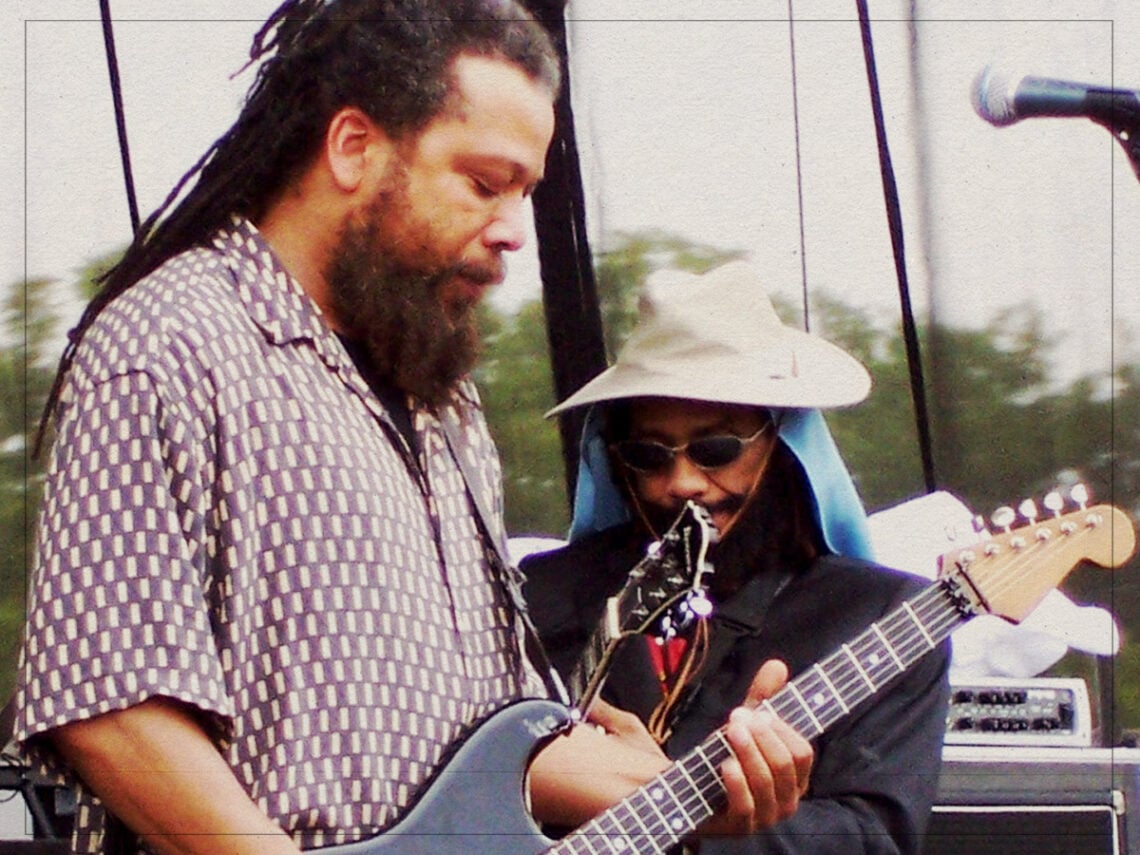
The myriad of guitarists who shaped Dr Know and Bad Brains: “I was just absorbing”

We romanticise scenes heavily as music fans. London blues in the mid-1960s, New York in the late 1970s, and Manchester in the 1990s.
Of course, many others spring to mind, but the legacy of those three seems to loom over music like the tower blocks their cities hosted. Maybe it’s because of the side of the pond I live on, but the hardcore punk scene of late ‘70s Washington, DC, seems criminally overlooked.
At the heart of that scene were Minor Threat, Fugazi and, of course, Bad Brains. They took their jazz fusion stride and stomped it all over the burgeoning punk scene of America’s East Coast, capturing the sense of societal disillusion and putting it into a bottle.
Their live shows quickly garnered a reputation for being a cut above the rest, celebrating liberated chaos like no other punk bands in the scene. Like all artists reporting from the cultural verve, this naturally landed the band in hot water and saw them get blacklisted from DC venues one by one.
But this was symptomatic of the nuance Bad Brains had. Critics, fans and lawmen couldn’t understand them, for they were so raucously enigmatic as performers yet considered a shocking antithesis to punk ideals that came before them. Here they were, a black punk band leading what was a predominantly white scene, introducing new genres to this heady scene and being punished for the success of it.
Outsiders clutched at their pearls as their misunderstanding of a burgeoning new genre developed, and thus completely overlooked the influence of artists they would have traditionally held dear. Because, yes, of course, Bad Brains were an entirely new entity, but they didn’t emerge out of nothing. They built on the foundations of bands that most of these critics were probably listening to.
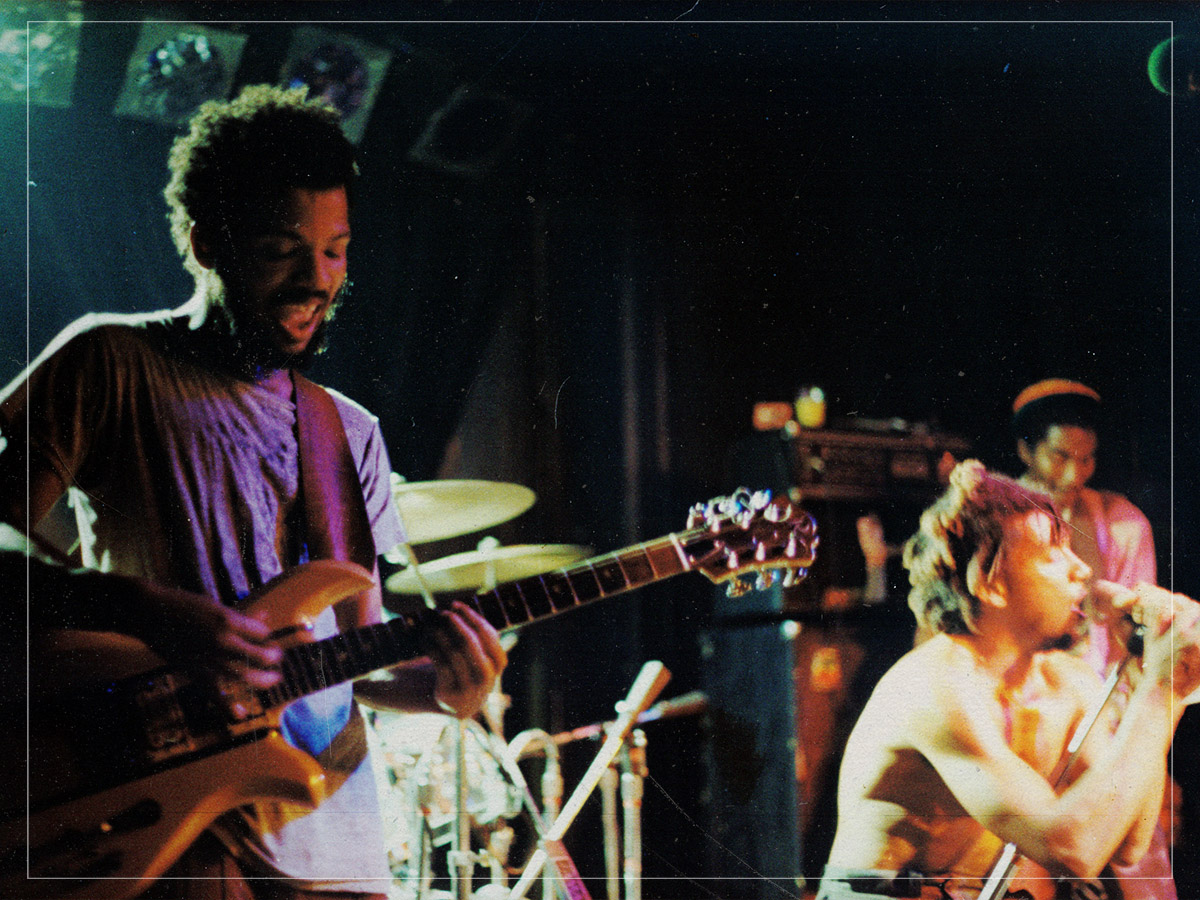
“Literally, I think we were going to a concert every weekend,” the band’s guitarist Dr Know explained, when asked about how the Bad Brains sound came to be. “Everything was all mixed together, and we’d see Thin Lizzy and Chaka Khan on the same bill. I saw Return to Forever at a little jazz club in DC with Bill Connors on guitar. I saw Mr Joe Pass. I was just absorbing.”
Those two artists weren’t a direct influence on Bad Brains just yet, but they ultimately helped Dr Know form his project Mind Power, which saw him further develop his understanding of how the electric guitar can be played across genres. It was there that the jazz-fusion and funk-laden music developed, laying down the rhythmic foundations that would later be injected into hardcore.
This was soon bolstered by the sight of one Bob Marley, whose rich rhythmic textures helped contextualise what Dr Know was beginning to learn at the hands of the electric guitar. “I remember going to see Bob Marley because the bass was so heavy at the show,” he recalled “I was like, Wow, what is going on here? That was it. The music and the message of what Marley was saying and singing had a big influence on us.”
The combination of these artists was crucial in laying the bedrock of the future Bad Brains sound. Because when they finally hard-formed, the importance of Marley’s rhythmic chops with the innate groove of Thin Lizzy and Chaka Khan’s melodies could be injected into something new. Now it was all down to the energy of the guitar playing, the light that would eventually spark the flame of chaos that saw the group unfairly banned from multiple venues.
So, who sparked that influence? “Van Halen had also just come out, and I was intrigued about how he hit the harmonics with the pick. I was like, I’ve got to figure out how to do that. So I did.”
Together, these influences were thrown into a melting pot to ultimately create the chaotic combination of hardcore punk. The sound of Bad Brains was so immersive because of how many textural elements and performative techniques were being blended at once. In doing that, Bad Brains sacrificed themselves and their reputation to lead the next generation forward.
