


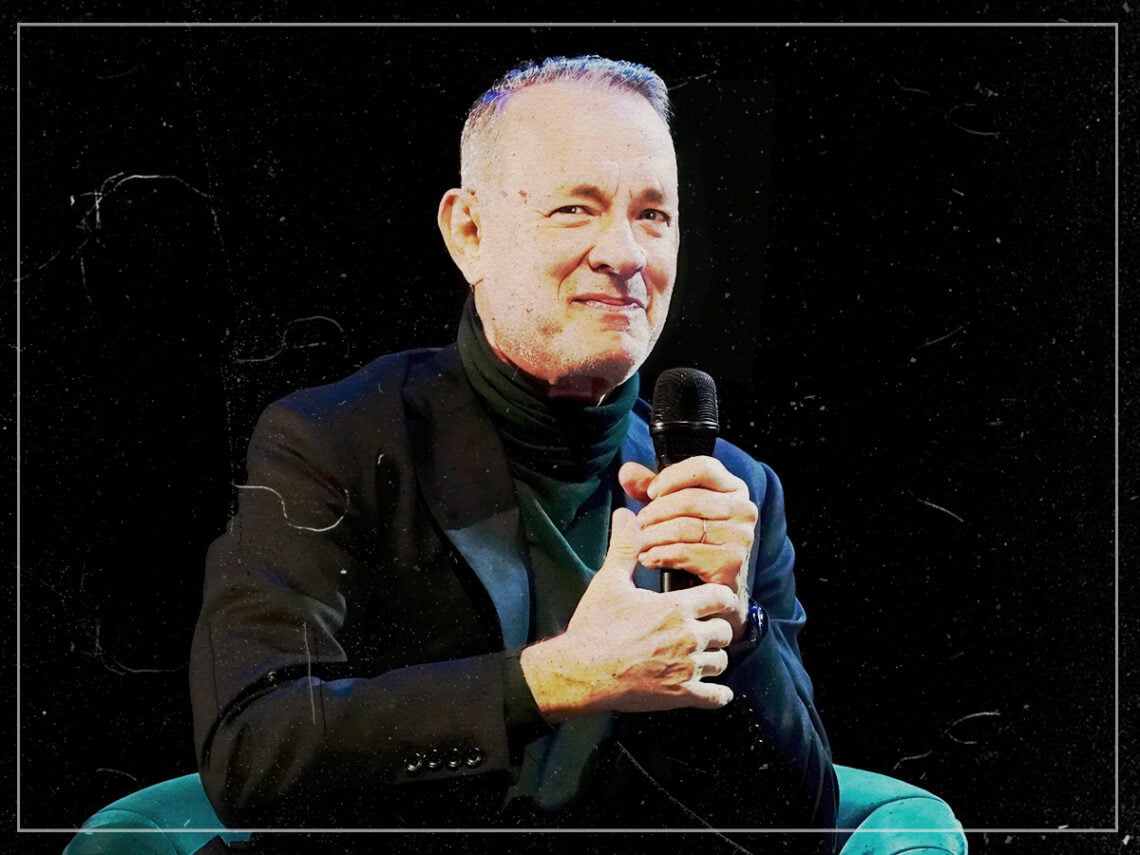
The greatest screenplay Tom Hanks ever read became a defining moment in his career: “You could see every frame”

Over the last 40 years, Tom Hanks has starred in some of Hollywood’s most celebrated movies. Coming through in the 1980s with the likes of The Money Pit and Big, Hanks cemented himself as one of the most recognisable faces within the industry before delivering significant performances in the likes of Forrest Gump and Saving Private Ryan.
The list of Hanks’ cinematic achievements is strikingly endless. We could name scores upon scores of his greatest acting efforts, but it appears the actor himself actually holds particular reverence for 1999’s The Green Mile, certainly one of his most memorable efforts.
“The screenplay read almost like a graphic novel would,” the actor once said. “You could see every frame; you could see every face; you could see every moment played out, and for that reason, I think it was truly the best example – it was probably the best screenplay I’d ever read.”
The Green Mile arrived in 1999, directed by Frank Darabont, who adapted Stephen King’s 1996 novel of the same name for the screen. Hanks stars as a Great Depression-era death row prison guard who experiences events of a supernatural kind when a mysterious convict arrives on his ward.
Yet what elevates the film beyond its premise is its patience. Darabont allows the story to breathe within the claustrophobic walls of Cold Mountain Penitentiary, giving each character room to reveal themselves in quiet glances and small gestures. It is not simply a tale of miracles and cruelty, but one of empathy, morality and the unbearable weight of consequence.
“Just by the fact that what was on the page totally reflected what ended up being on the screen,” Hanks added. “There was almost no delusion of the artistic sensibilities from one to the other.” So, for Hanks, the real brilliance of The Green Mile lies in Frank Darabont’s screenplay.
Darabont once explained that it was, in fact, a challenge to bring Stephen King’s novel to the screen, though. “The greatest challenge was really getting the key elements of the story,” he said, “and getting that sprawling Stephen King tapestry of characters into a manageable length.”
“That really was the biggest challenge there,” he continued. “There are some books that I am nuts about. I won’t touch them because I know that by the time I finish adapting them, they’re going to be six hours long – completely unmanageable – or I will have truncated them to the point where it’s not even the same story anymore.”
In lesser hands, such compression might have stripped the novel of its soul. Instead, Darabont distilled its essence, preserving the aching humanity at its core while shaping a film that never feels hurried. The result is a work that honours King’s original vision yet stands confidently on its own, balancing sentiment with restraint in a way few literary adaptations manage.
However, the fact that Darabont managed to take King’s story, one that he cared deeply for, and deliver it for the screen in a three-hour movie (even if he admits it is his longest), shows that he’s a director and writer worth his weight in gold, also explaining why Hanks considers his The Green Mile screenplay “the best he’d ever read”.
