


‘The Last Showgirl’ movie review: Pamela Anderson is a star

As recent movies like The Substance and Babygirl have suggested, navigating womanhood when you’re over the age of 50, especially when you’re in the spotlight, doesn’t come without challenges. While The Substance leans into body horror and Babygirl centres on erotics, Gia Coppola’s The Last Showgirl, another blistering tale on female agency, ageing, and performance, takes a grittier social realist approach.
The film follows Pamela Anderson’s Shelly, a showgirl who has dedicated her whole life to the art form by performing at Le Razzle Dazzle on a daily basis. However, when she discovers that the Las Vegas show is heading for swift cancellation, she must figure out her next steps, which comes with the harsh realisation that her age – 57 – might make continuing her career as a showgirl tricky. Meanwhile, she attempts to reconnect with her daughter, played by Billie Lourd, from whom she has become distant.
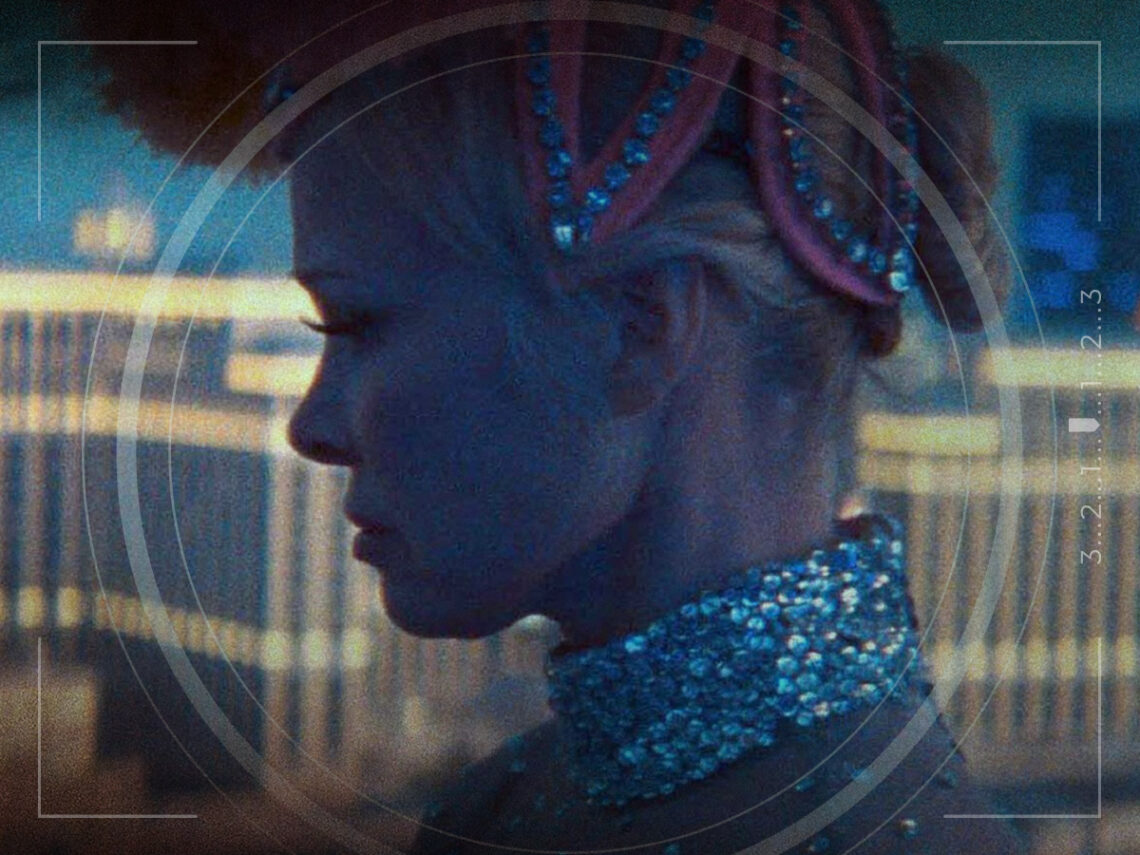
Shot on 16mm, with cinematographer Autumn Durald Arkapaw using anamorphic lenses to create an intimate – but sometimes claustrophobic – atmosphere, The Last Showgirl is a vivid portrait of a woman whose career is quickly fading out. Despite the heartache that the film centres around, Coppola ensures that there is no shortage of beauty to be found in even the most mundane images, like a backstage corridor or a drab casino.
There is an emphasis on fading glamour here, with these glorious images seemingly reflecting Shelly’s view of Le Razzle Dazzle as a luxurious, chic, and opulent world when, in reality, it’s nothing more than a regular show on the Las Vegas Strip. At just under 90 minutes, the film feels neatly packaged, centring on Shelly’s inner world in a way that feels deeply personal. While some viewers will be able to relate to Shelly’s predicaments more than others, the intimate framing of the character, the gentle use of humour, and Anderson’s charming, sometimes impassioned performance allow us to connect with her on an innate human level.
Still, there are moments when you’re left wanting a bit more, but it can be hard to figure out exactly what this is. Maybe it’s the fact that whenever Jamie Lee Curtis’ Annette appears – Shelly’s tanned, frosty-lipped best friend, a former showgirl herself – there is a noticeable shift towards a fuller, more enticing cinematic landscape. She overshadows Anderson with her brazenness and over-the-top style, yet she is also equally fabulous when she becomes more vulnerable and open about her own struggles, too.
That’s not to say that the scenes without her aren’t engaging; Anderson delivers an impressive performance that culminates in an incredible final act, with her emotions running wild as she gives an erratic and moving delivery of pure frustration. The weakest are the moments between Shelly and her daughter, Hannah, who doesn’t give enough of a lasting impression to make her part feel particularly memorable. It feels like any young actor could slot into that role, but maybe that’s more so down to the writing than Lourd’s acting.
The Last Showgirl offers powerful reflections on female ageing and the shallow nature of show business, where everyone is replaceable, and beauty becomes a prison. Coppola presents Shelly’s complicated relationship with Hannah – whom she has almost entirely neglected in favour of becoming a showgirl (the closest she’s ever got to her ultimate dream of being a professional dancer, it seems) – with nuance and empathy. She highlights the pressures and dilemmas faced by women, who are routinely forced to pick between one life or another, while men don’t seem to face the same problems or repercussions.
The film might be a little rough around the edges, but its melancholic sensibility paired with refreshing bursts of humour makes it feel incredibly bittersweet. With strong performances from Anderson and Curtis and a distinctive visual style, Coppola has proved that she’s come a long way since she released her teen coming-of-age movie Palo Alto and her negatively reviewed Mainstream.
