


George Lucas names the “hardest” and “easiest” ‘Star Wars’ movies to make

Taking a movie from script to cinema screen is an ambitious undertaking. From honing an initial screenplay idea to building sets and coordinating extras, extreme financial, creative and logistical planning is required. The prospect becomes all the more intimidating when a director is working on a project with the scale and size of Star Wars, but George Lucas has decades of practice.
It was 1977 when Lucas afforded viewers their first journey to a galaxy far, far away. He cast a trio of soon-to-be iconic stars, created planets out of sound stages, and kicked off one of the greatest science-fiction series of all time. Since then, he has helmed three more entries into the series, directing the entirety of the subsequent prequel trilogy and producing the original efforts.
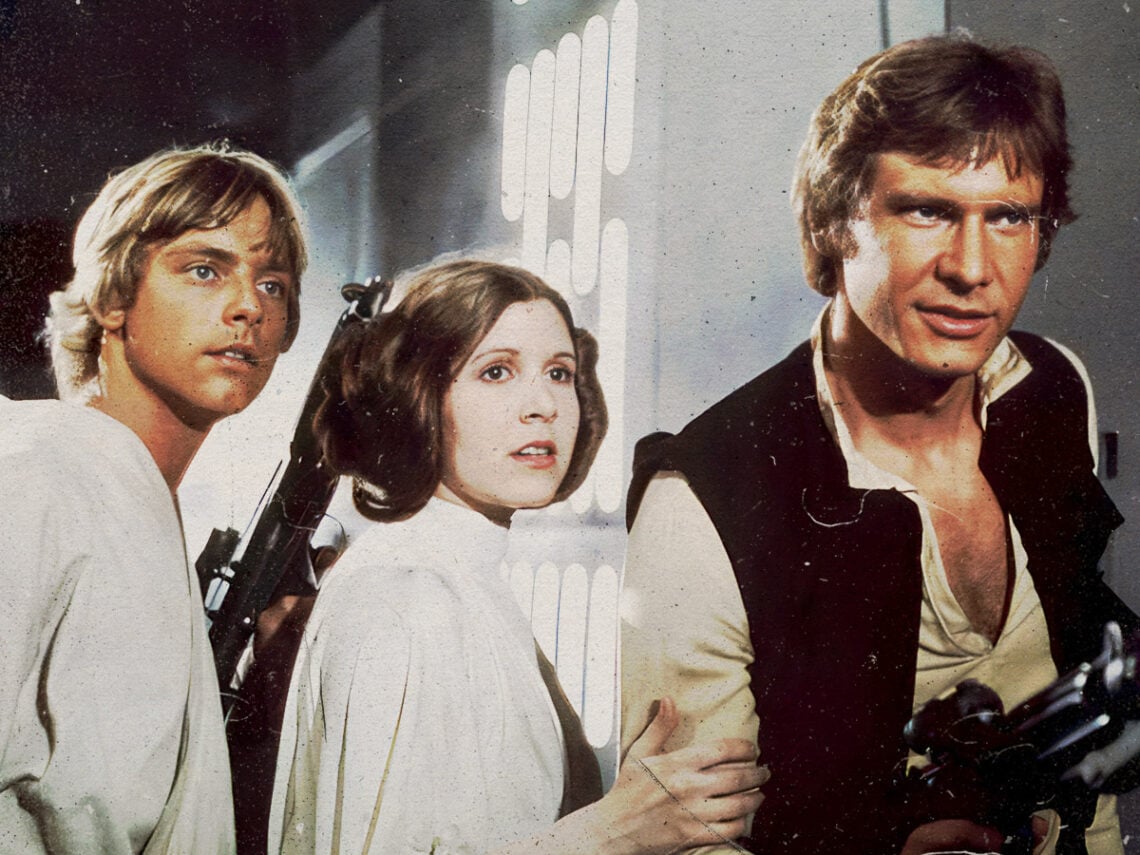
Everyone has their favourite Star Wars film, whether you’re a die-hard fan or a more casual viewer. Some prefer the original movie, which introduced us to Luke and Leia for the first time and retains its late 1970s charm. Many consider The Empire Strikes Back to be the best of the bunch, which provided us with the pivotal reveal about Luke’s heritage. Others have found their favourites among the prequel and sequel series, enjoying the more modern takes on droids and spaceships.
The fan-on-fan debate about which Star Wars film is best seems to be never-ending, but Lucas has a definitive answer on which film he found to be the least demanding behind the scenes. During a conversation with the BBC on the release of his final entry into the franchise, 2005’s Star Wars: Episode III – Revenge of the Sith, the director admitted that the film was the easiest entry to create.
His pick didn’t stem from anything specific about the plot or production of the film but rather the experience he had gained over 25 years of making Star Wars films. Comparing the franchise to his “children,” he explained that the first film, A New Hope, was the most difficult. “The first one is always the toughest one because you don’t know what’s going on,” he explained, “Everything is a drama, you worry about everything that goes on every day and it drives you nuts.”
With each new entry into the series, this feeling gradually lessened for Lucas. He expanded upon the metaphor, “Then, you have the next one and the next one, and each time it gets easier and easier because you kind of know what to expect.” This certainly makes sense – with each new Star Wars film, Lucas learned more about how best to tackle the story, how best to work with his cast and crew, and how to deal with any unexpected issues.
This meant that when it came to filming Revenge of the Sith in the early 2000s, it was a “piece of cake” for Lucas. Though the film was no less ambitious than each entry that had come before it, traversing just as many characters, planets and species, Lucas was armed with the experience of working on five films prior. He could make a Star Wars film in his sleep.
A decade later, he passed the baton to J J Abrams for The Force Awakens, who then began his own journey to perfect the art of the Star Wars film.
