

Eric Idle couldn’t get George Harrison on board with David Bowie
Read More


After igniting the British invasion with their early rock ‘n’ roll submissions and packed-out, screaming gigs, The Beatles looked to capitalise on their success by releasing films to accompany their music releases. At the time, it was a novel idea for a band to create a feature-length movie and their first, the Richard Lester-directed musical comedy A Hard day’s Night, was a resounding success.
After the success of A Hard Day’s Night, in which the four starred alongside Wilfrid Brambell of Steptoe and Son, The Beatles reunified with Lester for Help! This second effort in the realm of cinema was their first in colour and has been considered a seminal work of avant-garde filmmaking over the decades since, but at the time, it wasn’t as well received as its predecessor.
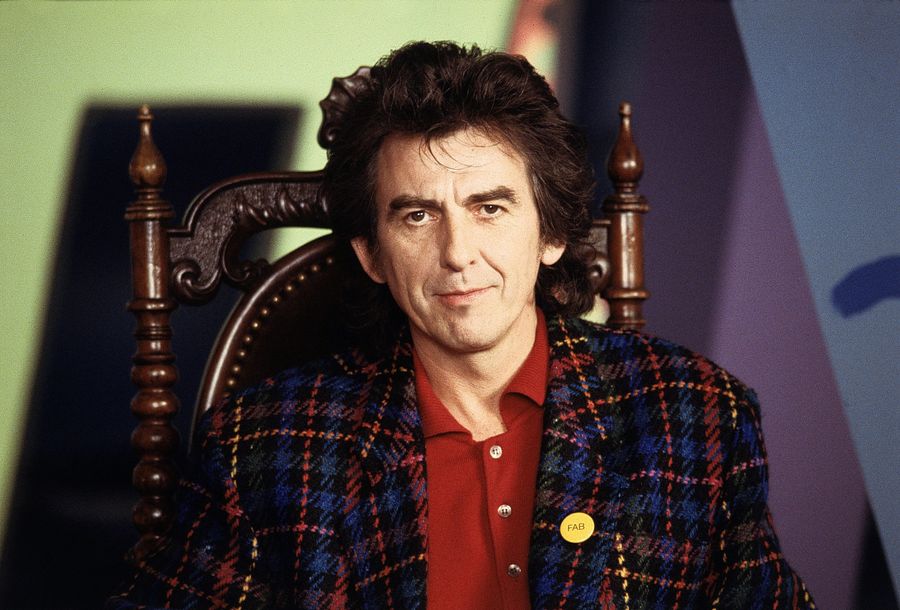
In an interview with Entertainment Tonight in 1987, George Harrison gave his two cents on The Beatles’ foray into the acting business. “I think Hard Day’s Night and Help! under the circumstance… first of all Hard Day’s Night, you know, everybody likes to make a movie. But we’ve just made a few records [that] got popular now, and they’re making a movie”.
Harrison added: “They’ve got a writer who met us for like three days and wrote the script. I think that the magic about it was that at least that he picked up the idea, the vibe of what was happening on the road and translated that into… it wasn’t brilliant.”
“But it was adequate and considering we were all pretty useless in acting,” Harrison continued. “I think Dick Lester should take a lot of credit because it was his ability and his experience with comedy that he had done before with Spike Milligan, Peter Sellers and stuff. He had a great sense of humour, and he had a great ability to let us be what we were. I think that all worked out good”.
“There were plenty of songs, catchy little tunes, and that was fine. I think Help! had to step up a bit, it was a big colour film. But still pretty funny, even in a slightly dumb way. That’s why I keep referring to ‘The Rutles’, you know. ‘The Rutles’ to me, Hard Day’s Night and Help! [are] very ‘Rutley’ and I think they worked out.”
“The Rutles” Harrison refers to here is a Beatles parody band created by Monty Python star and close friend of Harrison, Eric Idle, and Neil Innes for a sketch in the 1970s BBC series Rutland Weekend Television.
Later, Harrison moved his focus to 1970s Let it Be, the final film the Beatles made together. After their shift from the silly comedy of Hard Day’s Night and Help! to the psychedelic wonderment of Magical Mystery Tour and the animation Yellow Submarine, Let It Be took on a more serious note as it documented the frayed end of the band’s time together.
The documentary film showed the fractious sessions in which they recorded the material for their final album, Let It Be, and prepared for their final live performance from the rooftop of Apple corps.
Last year, previously unreleased footage from these sessions was exposed in Peter Jackson’s popular three-part documentary, The Beatles: Get Back. As can be seen in the intensely revealing film, the band are not on particularly good terms at this stage. Harrison was particularly frustrated with Paul McCartney and John Lennon’s creative dominion and quit the band temporarily during the sessions.
“The other you mentioned,” Harrison told Entertainment Tonight, referring to Let It Be. “Which was really supposed to be us rehearsing to make a record. They were just filming the rehearsal that turned into the movie, you ‘Let It Rot’ [laughs]. I didn’t like that. The scenes, like we on the roof, that was quite good. There’s bits and pieces, it’s okay.”
“But most of it just makes me so aggravated to I can’t watch it,” he continued. “Because it was a particularly bad experience that we were having at that time. It’s bad enough when you’re having it. Let alone having it filmed and recorded. So you’ve got to watch it for the rest of your life. I don’t like it.”
Witness the moment George Harrison quit The Beatles in 1969 below.
All the latest stories about The Beatles from the independent voice of culture.
Straight to your inbox.
