


Six definitive films: The ultimate beginner’s guide to George Cukor

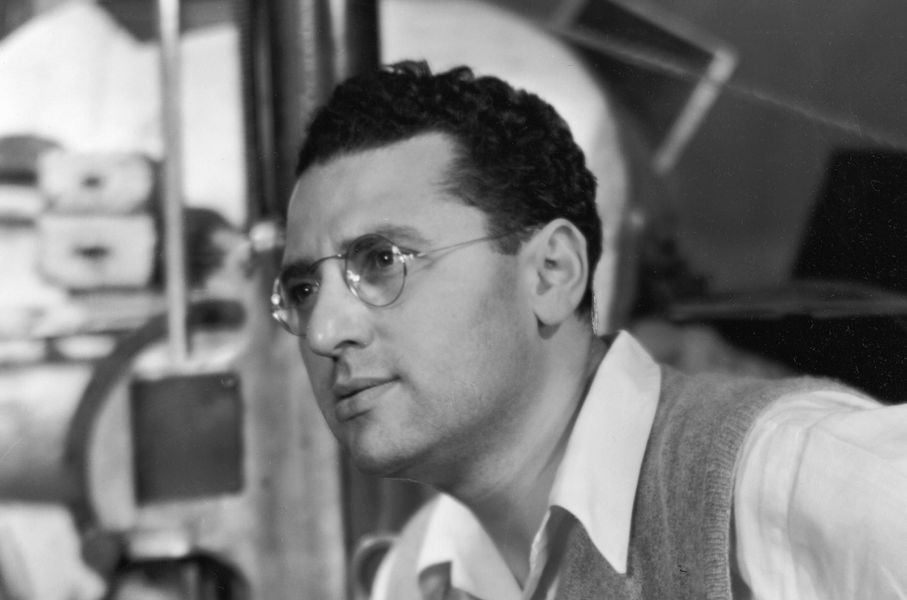
A prominent figure in the history of Hollywood, George Cukor was a celebrated filmmaker whose works such as The Philadelphia Story are still watched by younger audiences today. Venturing into various genres during a long and illustrious career, Cukor managed to conduct many fantastic film adaptations and picked up major accolades along the way.
Born in New York City, Cukor recognised the magic inherent in the world of the performing arts from an early age and participated in many amateur productions. Although his father expected him to become a lawyer like him, Cukor left school to take the job of an assistant stage manager which eventually facilitated his entry into the world of cinema.
Cukor managed to land a contract with Paramount in those early years, starting out with casting assignments but he was soon involved in acclaimed masterpieces such as All Quiet on the Western Front. In a career that spanned more than 50 years, Cukor created memorable gems that are now cited as definitive examples of the Hollywood tradition of filmmaking.
Check out a list of George Cukor’s definitive works below.
George Cukor’s six definitive films:
Holiday (1938)
A charming adaptation of Philip Barry’s eponymous play, Holiday features Cary Grant as a parvenu who is going to marry the daughter of a rich banker but knows very little about the person he is going to spend his life with. He tells her older sister (Katharine Hepburn) that he is going to embark on a holiday to search for life’s meaning.
At the time of its release, the film was not a financial success and many have speculated that the reason for its commercial failures was that the Great Depression audiences could not relate to the idea of leaving a job for the sake of one’s mental health when they could not find any jobs themselves. Since then, it has been regarded as one of Cukor’s best.
The Women (1939)
George Cukor had initially been hired to direct Gone with the Wind but he was famously dismissed from the project by David O. Selznick. However, Cukor did not let that get him down and produced this 1939 comedy-drama, which featured the likes of Joan Crawford and Norma Shearer.
Focusing on the vapid elite strata of the social circles of Manhattan, The Women explores how the gossip generated by these people outpaces the production capacities of propaganda machines run by fascist governments. It went on to become a success and was named as one of the major films of the year.
The Philadelphia Story (1940)
Probably the most famous film ever directed by Cukor, The Philadelphia Story is yet another adaptation by the filmmaker which is based on a play by Philip Barry. Katharine Hepburn stars as a wealthy woman who is looking to put her past behind her by remarrying.
However, things get complicated when her problematic ex-husband (Cary Grant) shows up with a tabloid reporter (James Stewart) to mess things up. A critical and commercial success, The Philadelphia Story is one of the most important productions in the history of American filmmaking.
Gaslight (1944)
Cukor’s 1944 psychological thriller, later identified as his attempt at journeying into the world of film noir, stars Ingrid Bergman as Paula Anton who starts a life with her new husband (Charles Boyer) in the home where her aunt – a famous opera singer – was brutally murdered.
Although she is trusting at first, the events in this home slowly guide her along her spiral into insanity. Her husband deceptively tricks her into thinking she is losing her mind by resorting to subtle schemes such as dimming the lights and claiming that he can’t tell the difference.
Adam’s Rib (1949)
Featuring the interesting combination of Spencer Tracy and Katharine Hepburn, Adam’s Rib revolves around a couple of married lawyers who find themselves on the opposing ends of a legal battle, entering the courtroom arena as enemies.
The case in question is about a woman who shot her husband due to prolonged emotional abuse and adultery which Hepburn’s character cites as a reasonable justification but her husband believes that there is no excuse for a crime. The professional conflicts soon bleed into their personal lives.
A Star is Born (1954)
One of the greatest musicals ever made, Cukor’s 1954 film A Star is Born will sound familiar to modern audiences as a recent 2018 adaptation starring Lady Gaga and Bradley Cooper became wildly popular even though the story has been told in multiple different styles.
Cukor’s interpretation of it is one of the best, starring the likes of Judy Garland and James Mason among others. Mason plays the role of the fading actor who acts as a mentor to a young talented star (Garland). While she rises to new heights of fame and stardom, he sinks into the pit of despair.
