


‘Waiting Room’: How Fugazi inspired Tunde Adebimpe to become a musician

A little over 20 years ago, when TV On the Radio dropped the Young Liars EP and rightfully became the Brooklyn band du jour, I lazily tried to spread the word among friends by reducing the band’s complex sound to a palatable and enticing sound bite: “They’re like Prince conducting Radiohead!”
Did this even capture the gist? Maybe? Sort of? After reading a recent Uncut interview in which TV On the Radio co-founder Tunde Adebimpe discusses some of the key musical influences of his youth, though, it did occur to me that there was an essential piece of his old band’s DNA that the overly ambitious and perfectionist Prince and Radiohead combo fails to account for. Something messier but clean of spirit—looser, angrier, and best heard in close, uncomfortable quarters. Yes, of course, it was Fugazi all along.
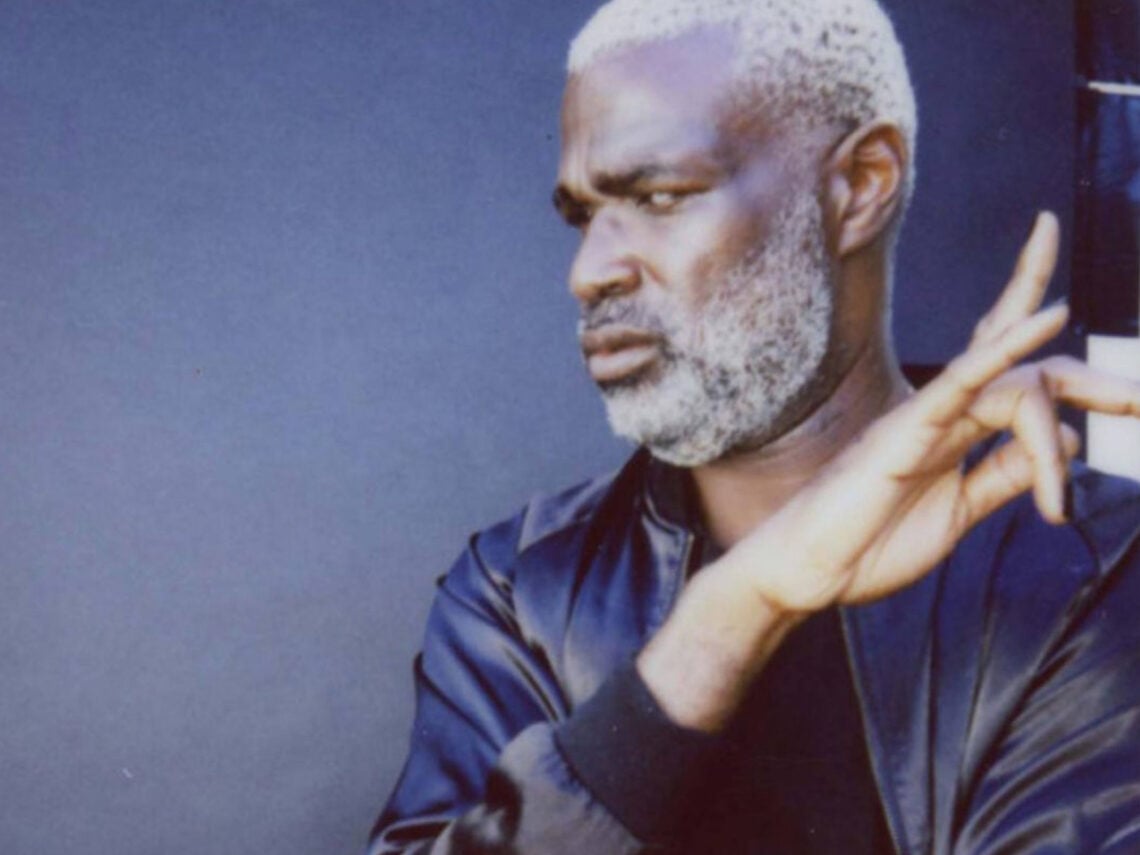
“In high school, I had a few friends who let me know that everything I was listening to was terrible, and introduced me to hardcore,” Adebimpe told Uncut during promotion for his excellent new solo album, Thee Black Boltz. “I was like, ‘Oh, right – this sounds a little more like how we all feel.’”
Adebimpe, who is now 50, was too young for the first wave of hardcore, but his teen years and introduction to the movement landed him in a prime position for the maturation of that sound in the form of Fugazi—the project helmed by former Minor Threat frontman and hardcore punk pioneer Ian MacKaye.
Seeking to create something wholly new and separate from the Minor Threat template, MacKaye formed Fugazi in Washington, DC, in 1986, eventually putting out the band’s self-titled debut EP in 1988. The first track on that first record, ‘Waiting Room,’ quite unintentionally and unexpectedly became the band’s permanent signature song; a driving, funk-inflected indie-punk anthem with a heavy ska bass line and a trace of hip-hop style “hype-man” backing vocals provided by Guy Picciotto. Released on MacKaye’s own Dischord label, it was the exact sort of anthem that any misfit 15-year-old—including a Stevie Wonder-loving Nigerian-American kid in western Pennsylvania—could want.
“I remember hearing ‘Waiting Room’ on some college radio program in Pittsburgh, and that was it for me,” Adebimpe told Uncut. “I wanted to know everything about this band, and what I found out was pretty formative in terms of me wanting to make music, or even thinking that I could make music.”
This is a common theme expressed by people inspired at a young age by punk music, and particularly MacKaye’s progressive, principled take on the art form. Adebimpe was obviously influenced by a wide variety of other music, and cites plenty of fantastic artists in his chat with Uncut, including the aforementioned Mr Wonder, as well as King Sunny Adé, Alice Coltrane, Beastie Boys, Morphine, and Mort Garson. Fugazi, though, was the one that sounded like an open door to participating in music. And ‘Waiting Room’ was the literal space just outside that experience. It’s no coincidence that dozens of artists have covered that track over the past 30 years, from the Red Hot Chili Peppers and Rancid to Arcade Fire, Minus the Bear, Billy Talent, and, naturally, TV On the Radio.
“I saw [Fugazi] in New Haven in 1992 and it was crazy,” said Adebimpe, whose side hustle as an actor has seen him join both the Marvel and Star Wars universes in recent years. “It’s great when a show feels a little bit dangerous, but there’s also a code of conduct. So you can throw yourself around and hopefully everyone’s cool about it.”
