


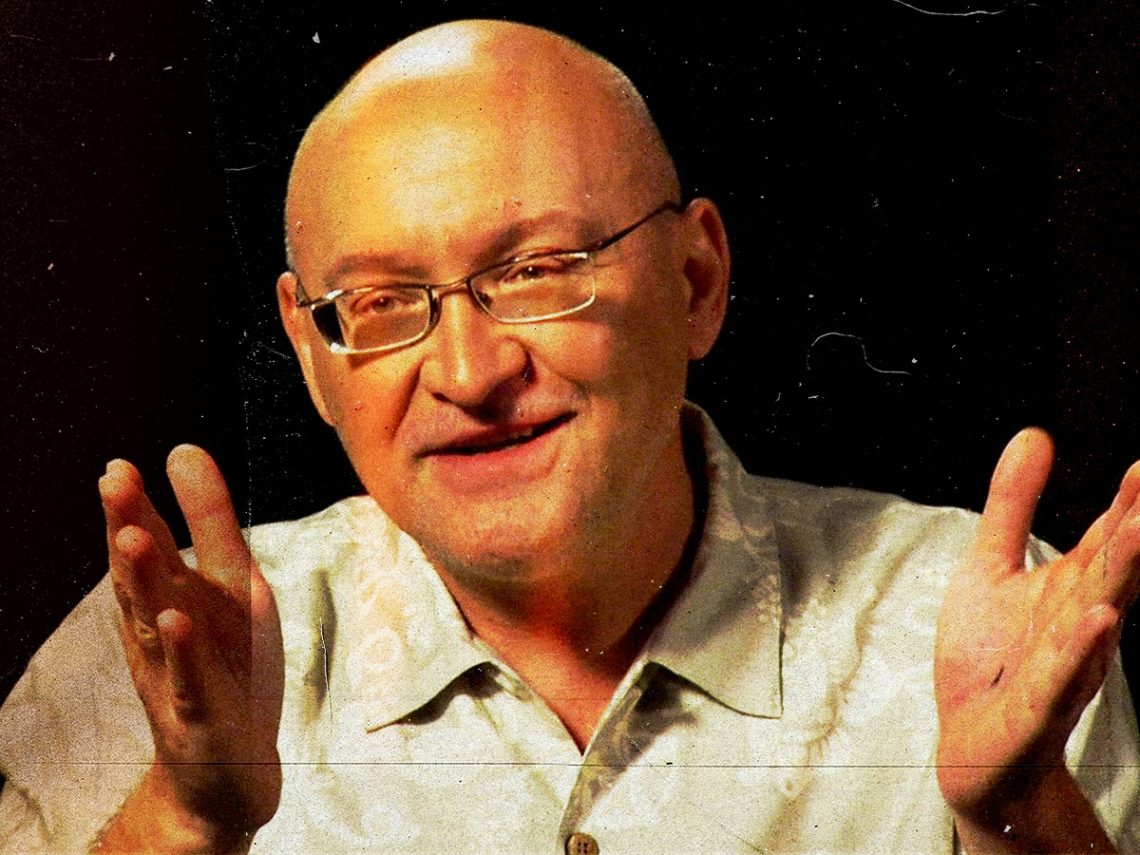
Frank Darabont explains his passion for the stories of Stephen King

With countless adaptations of his thrilling tales, few authors have had the same impact on the landscape of cinema as Stephen King. Creating the original source material for such movies as Stanley Kubrick’s The Shining, Brian De Palma’s Carrie and Frank Darabont’s Shawshank Redemption, King has become an industry icon, matched only in the literary world by J.K. Rowling of Harry Potter fame and the Game of Thrones creator George R. R. Martin.
Though King has helped adapt several of his stories, the author likes to take a step back from many of the productions themselves to distance himself from the director’s creative vision. This was certainly the case for Frank Darabont, who is something of a King addict, having adapted four of the writer’s tales, including the 1984 short film The Woman in the Room and the three major motion pictures, 1994s The Shawshank Redemption, 1999s Green Mile and 2007s The Mist.
As Darabont stated in an interview with Creative Screenwriting in 1997: “If he’s not directly involved as a producer, then he’s very hands-off. He explained to me that very early on in his career, he had enough bad movies made out of his work that he learned to distance himself emotionally from the movies being made, from anything he doesn’t have a direct hand in…if the movie turns out poorly, he doesn’t have to take all the emotional hits of seeing something go wrong and not be able to control it”.
His first significant King adaptation, The Shawshank Redemption, went down as an undisputed hit with critics and audiences, earning seven Oscar nominations at the time whilst also being hailed as one of the best movies ever made. Starring Morgan Freeman, Tim Robbins and William Sadler, the intense drama tells the story of two convicts seeking consolation and friendship while in prison.
Darabont followed the success of Shawshank in 1994 with Green Mile in 1999, a film that reflected King’s passion for fantasy in the story of a man on death row who possesses an extraordinary gift.
Recognised as King’s best collaborator, Darabont explained to the publication why he’s so attracted to the writer’s tales, explaining: “I have read every word that the man’s published and some that he hasn’t. What attracts me to his work? He’s one hell of a story spinner. He spins yarns in a very old-school way that tend to be very involving, very rich in character”.
Comparing him to the iconic English novelist Charles Dickens, the director adds, “He’s considered by some of the snobbier critics, the literary critics, to be a populist and therefore not to be trusted or endorsed. The same thing was said about Dickens”.
The insightful statement presents an accurate comparison, with King’s tales better reflecting a classic form of storytelling fueled with romanticism and innovative, absorbing narratives. “Stephen is a very old-fashioned storyteller, in the best sense of being old-fashioned,” Darabont exclaims. “King loves people; you can see it in his writing. He loves their nobility and their foibles; he loves the ways in which they can excel and the ways in which they can crumble and fall… He is an analyst of the human soul, if you will, as all the best storytellers are”.
No doubt, Darabont’s personal appreciation for King’s work allows him to effortlessly access the essence at the heart of each of his stories, with both individuals feeling like one united creative voice.
