


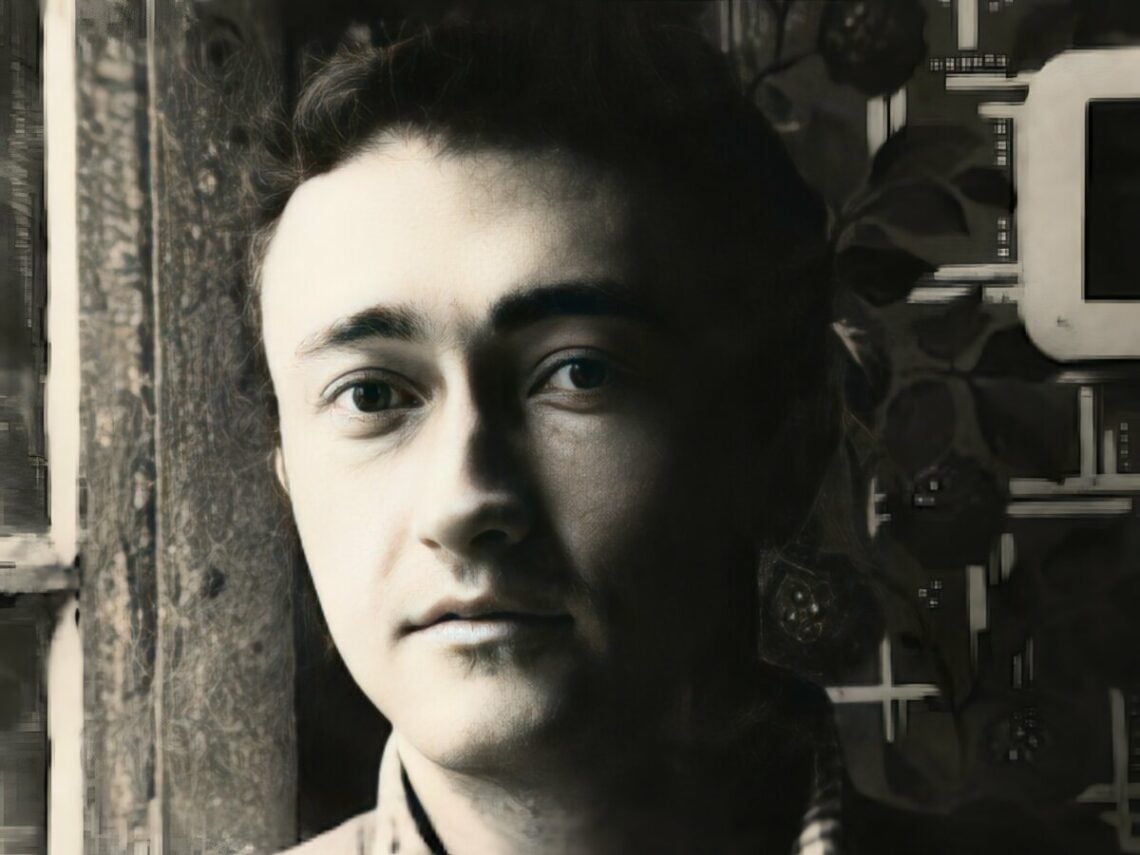
Curtis Harrington’s seminal masterpiece ‘Fragment of Seeking’

It is difficult to define the aesthetic frameworks of queer cinema because it is full of incredibly diverse artists who approach the subject in their own original and striking ways. Among them, one of the most interesting voices belonged to Curtis Harrington, the American director who created unforgettable experimental works and unique horror films. Through gems such as Night Tide, Harrington made enormous contributions to the discourse of American cinema.
Starting out as a film critic, Harrington eventually found his footing as a filmmaker by playing around with the avant-garde traditions during the 1940s. Having worked with other important figures of the experimental scene, such as Kenneth Anger, Harrington developed his practical experience while also building on the theoretical knowledge of the cinematic medium and film history that he acquired during his university years.
Often associated with the New Queer Cinema movement, Harrington’s work has garnered the attention of modern audiences because they have a fascinating way of addressing Queer concerns – especially because they drew upon the director’s own experiences. One such film is the 1946 gem Fragment of Seeking, starring Harrington as a lonely young man who chases after the illusory image of a woman only to arrive at a completely different conclusion.
During a conversation with Razorcake, Harrington recalled: “I went to USC. For someone like me, it was largely just going through the motions. I made my first film —one of my key films — Fragment of Seeking when I was at USC. My friend at that time, Kenneth Anger, made a film called Fireworks. Both of these films were very personal, so USC had nothing to do with them. I remember when I showed Fragment of Seeking to a couple of USC professors, I might as well have shown them a blank screen for all the reactions I got. The film was just meaningless to them.”
The filmmaker added: “It’s a film that’s created a lot of interest over the years. Generally speaking, my work has been much better understood and appreciated in Europe than in America. In Europe, I get instant responses to everything I do, even the new version of Usher. No film festival has any interest in it here in America. But in Europe, I’ve already been invited to several marvellous film festivals, and everybody loves it, and they write about it.”
When it first came out, Fragment of Seeking might not have received the kind of attention Harrington had hoped for, but it is now recognised as an important addition to the corpus of New Queer Cinema. Utilising the stylish noir aesthetics of the decade to create a surreal non-verbal experience, Fragment of Seeking is a short that transcends its own limitations. It would be wrong to dismiss it as a student film because it breaks new ground.
The young man in the film follows the image of normalcy that has been reinforced by heteronormative society, running down dark corridors in a house that bears hostility to his existence. Although it does include a feeble attempt at horror, the scares come across as moments of absurd humour that beautifully accentuate the infinite nuances of Queer existence.
Watch it below.
