


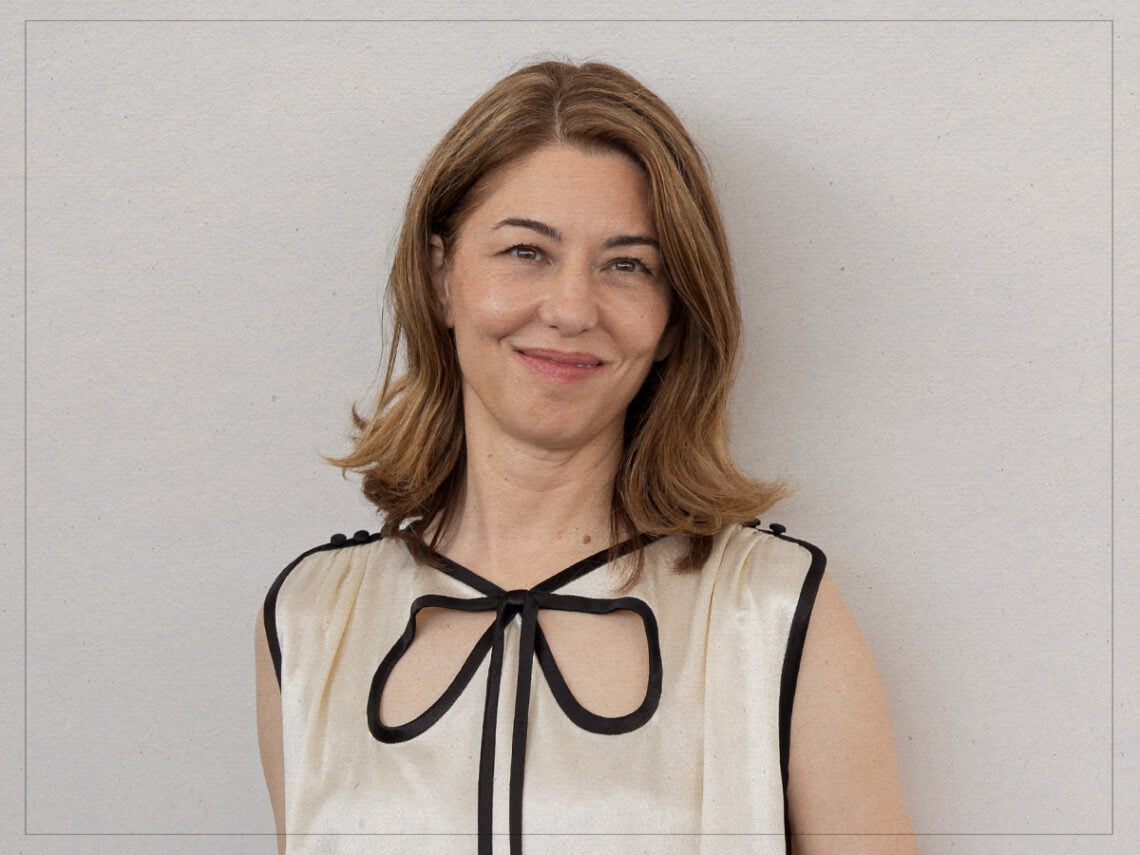
The four movies Sofia Coppola couldn’t live without: “So poetic and visually beautiful”

Arriving into the world in 1971, amid the filming of The Godfather, Sofia Coppola was always going to go into the movie business herself – she was literally born into it. I mean, she even played the baby in the movie’s iconic baptism scene and, in turn, baptising her into the world of cinema.
Coppola might have had an uneasy relationship with Hollywood when she was young, having earned critical derision for her performance as Mary Corleone in The Godfather Part III when she was 19, but soon she realised that being a director was her true calling, just like her father.
With the benefits of nepotism and financial security on her side, she immersed herself in everything from modelling, fashion designing, and TV presenting before making her first short film, Lick the Star, in 1998 – only someone as well-connected as Coppola could have a cameo from legendary filmmaker Peter Bogdanovich in her first-ever black-and-white short.
Then came her debut feature, The Virgin Suicides, the following year, which earned acclaim. Years on, you can still find a dedicated following of typically female viewers posting screenshots of the movie to their blogs, trying to become the sixth Lisbon sister. This is testament to Coppola’s innate understanding of cinema’s power to truly understand its audience, to carve out a space that feels intimate and atmospheric – like a light has been shone on a murky part of your brain that you’ve never been quite able to articulate. Coppola has always just seemed to get it.
It makes sense, then, that when she picked out four movies she couldn’t live without for Letterboxd, she began with In the Mood for Love. Arriving in 2000, shortly before Coppola’s Lost in Translation, you can certainly see how Wong Kar-wai’s gentle romance inspired the filmmaker’s contemplative tale of loneliness and connection.
“It was really inspiring when I saw it, because it’s so poetic and visually beautiful, and evocative and more about a mood,” she explained.
Going back a few decades, she also picked out A Place in the Sun as another favourite, a giant of the Old Hollywood era led by two major stars – Montgomery Clift and Elizabeth Taylor. The movie won George Stevens ‘Best Director’ at the Oscars, and it has since earned pretty unanimous classic status. “Just a classic that I always think of,” Coppola said, calling it “such a great example of a fish out of water, and great characters. That’s a great classic.”
Then she selected a gangster flick, although not The Godfather, but rather, Martin Scorsese’s Goodfellas. The 1990 film might not have been possible without Coppola’s father’s film, but that doesn’t mean that she can’t have it in her top four instead: “I know it’s kind of obvious, but it’s just one of my favourite movies, just for the editing, and the way [Scorsese] uses music and the characters.”
It’s a timeless crime movie, and while it’s not the kind of movie you can imagine the director of Marie Antoinette and The Bling Ring gravitating towards, it’s one that she always returns to, “I always – whenever I’m having a hectic day – think of the helicopters in Goodfellas“.
Similarly, it might come as a bit of a surprise to see an epic war movie on her list, but Coppola loves Seven Samurai. Akira Kurosawa’s period movie was released to acclaim in 1954, and it’s quite the lengthy journey through morality, violence, and class.
“It’s just an incredible group of characters, and it’s so exciting. I love how they introduce each character in that, especially,” Coppola admitted. It seems like the filmmaker is always focused on the intimate details of a character, no matter the scope of the movie, which is pretty evident in her own character-driven narratives.
