


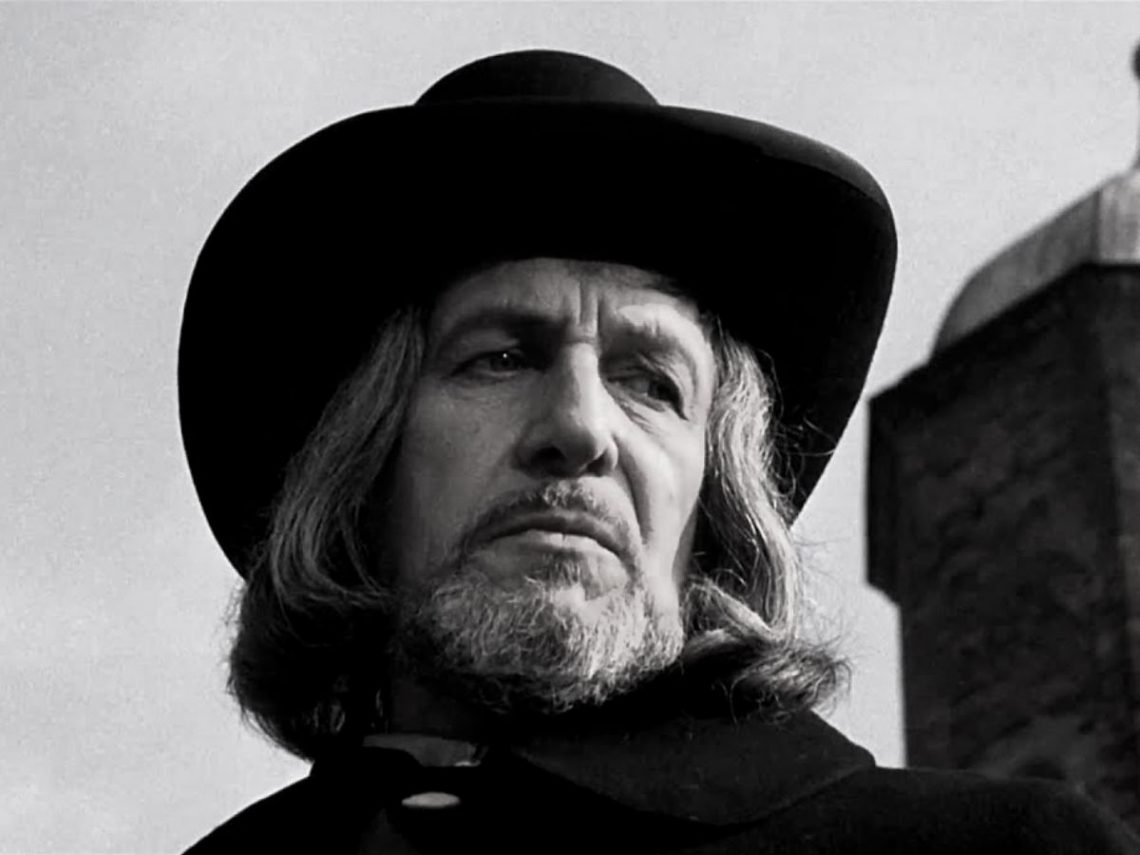
The folk horror classic dubbed a “study in sadism” by censors

Rural isolation? Religious paranoia? Something evil lurking in the wood barn? That’s right, it’s folk horror. The genre has seen a revival in recent years, but the films that made it so popular in the 1960s and ’70s remain firm fan favourites. Take Witchfinder General, for example, released at a time when nostalgia for England’s pre-industrial past was at an all-time high. Set amid one of the darkest moments in England’s history, it warned audiences not to spurn the modern world so readily.
Michael Reeves’ Witchfinder General, an adaptation of Edgar Allen Poe’s The Conquerer Worm, takes place in the year 1645. England is in the midst of a civil war, and the witch craze is still ravaging villages across the kingdom. The sadistic Witchfinder General Mathew Hopkins and his servant John Stearne travel the country sparking witch hunts, extracting confessions through torture, and hanging anyone found guilty of witchcraft. By today’s standards, it might not seem all that gory, but that’s not what makes Witchfinder General so unnerving: it is the anguish of Hopkin’s victims, their screams, their pleas for mercy.
If Witchfinder General strikes you as tame, it’s worth bearing in mind that it was heavily censored by the BBFC prior to release. For the time, it was considered incredibly sadistic. Even in the censored version, there’s a huge amount of violence against innocent people, especially women. British Film Censor John Trevelyan – a distant cousin of Reeves – believed that the director was exploiting violence and sadism for profit. When handed over to the censors, huge chunks of the film were removed, including two full minutes of what the BBFC called “excesses of sadistic brutality.”
Initially, Reeves was lenient. He wanted the film to be released, after all. However, when the BBFC demanded further cuts, he refused. Reeves had already pared down his original script at the request of the BBFC. After handing an early screenplay to the film board, Reeves was sent a preliminary report which described it as a “study in sadism.” Reeves and co-writer Tom Baker were accused of lovingly dwelling on the suffering of innocent people and were handed a huge list of requirements to make the film less offensive.
They quickly set about writing a third and final draft which saw them remove many of the film’s more gratuitous moments, including the death spasms of the women forcibly hanged in the opening scene and a scene in which a soldier gets stabbed fifteen times with a steel spike. The ending was also extensively edited, leading to the removal of a scene in which Stearne rapes a gipsy woman, who fights him off by digging her thumbs into her eyes. The rest of the gipsies then stake him to death. Honesty, it’s enough to make The Northman look bucolic.
