


‘Flowers in the Rain’: The masterpiece that destroyed The Move

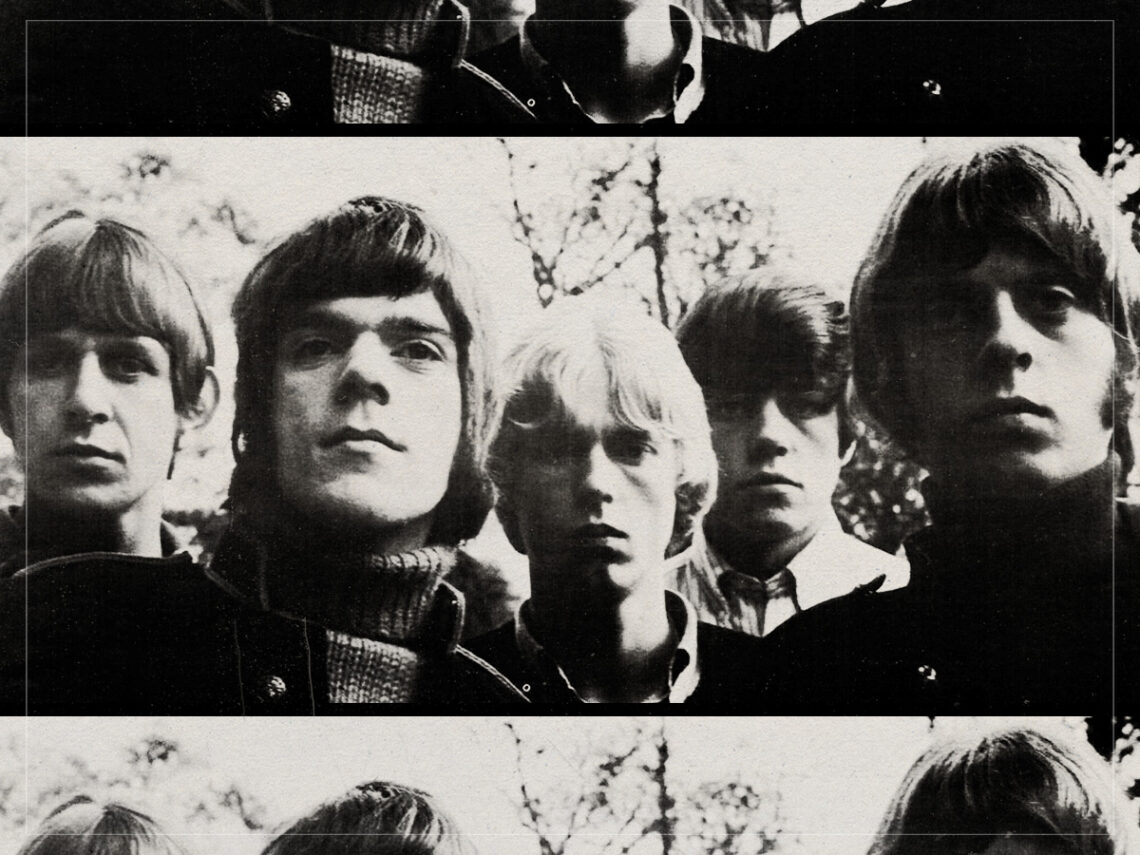
While they might not be spoken about much outside of their singles catalogue, The Move were a hugely important part of the British psychedelic pop movement of the 1960s. They might not have had the same levels of notoriety as acts such as The Kinks or The Yardbirds, or be regarded in the same light as them in the modern era, but it’s hard to look at them and say that they bore no significance on the musical landscape of the time.
You might recognise many of the names of former members of the group, particularly founders Roy Wood and Bev Bevan, alongside Jeff Lynne, who joined partway through the band’s existence, for having been eventual founders of Electric Light Orchestra. While this group had a far greater impact on pop music than their precursor, it’s still important to look at the origins of the group and where they began to develop and nurture their expansive approach to pop.
Incorporating non-traditional pop instrumentation into their sound, throwing in the sounds of horns and woodwinds in order to create a more lavish interpretation of how pop could sound, The Move were praised for taking a bold approach to arrangement. It wasn’t a regular thing to hear this kind of orchestral instrumentation in popular music, as the main objective of the genre was to distance itself from the traditionalism of classical music and jazz, but the group managed to strike a perfect balance and find ways to make it work.
While some of their earliest singles, such as ‘Night of Fear’ and ‘I Can Hear the Grass Grow’ were hits in the UK, both reaching the top 5 in the singles chart, it would be their third single, ‘Flowers in the Rain’, that elevated their status outside of their home country and has become one of their most beloved tracks. However, despite its success, a rather risqué promotional campaign for the single’s release almost stopped the band’s rise to fame dead in its tracks, and could have caused the band to come to a premature end.
When they released the single in 1967, the band’s manager, Tony Secunda, chose to circulate a number of postcards to advertise its release, but the image that adorned the front of the letter was shocking enough to see the group wind up in court. Depicting the then Labour Prime Minister Harold Wilson in bed with his secretary, Marcia Williams, the image caused a parliamentary uproar, and Wilson took swift action against the band, winning an injunction that meant all of the single’s royalties would go to a charity of Wilson’s choice.
With all of their earnings from the song, which reached number two in the UK charts, now going to Scope and the Stoke Mandeville Hospital, The Move were placed in a predicament of not knowing how far they could take their sense of humour on subsequent occasions, and hesitated to release any of their songs with slightly provocative lyricism such as ‘Cherry Blossom Clinic’. The band would struggle to find any financial backing in the years after, and after four studio albums they would call it a day in 1972.
While they weren’t entirely without success after the distribution of their raunchy postcards, reaching number one with ‘Blackberry Way’ and also drawing reasonable attention for songs such as ‘Fire Brigade’ and ‘Brontosaurus’, their stunt had ultimately hampered their progress to the point that it was virtually impossible for the band to get any publicity without their bawdy gag coming back to haunt them.
