


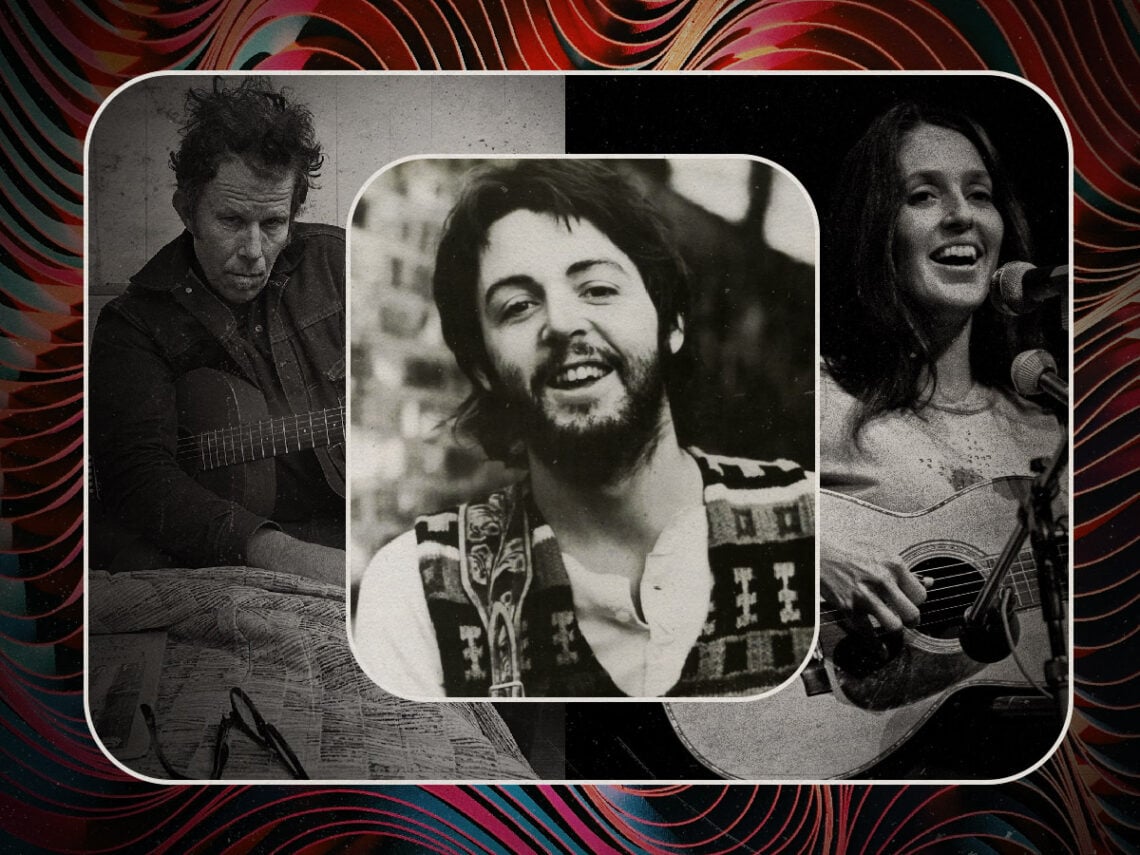
Five underrated songs people will rediscover in 2126

In a world where musicians as high-profile as Paul McCartney are protesting against AI, it’s clear that authenticity is one of the most significant commodities in music, and likely still will be in 100 years to come.
When you think of the industry so many years in the future, it’s hard not to think of all the negative, like said issues with tech advances and AI, and all the ways we’ll lose sight of what art once stood for. It’s entirely justified, as things like AI rob all essence of the human touch across all aspects of art daily. However, certain positives might come up through the haze, like the drive towards greater authenticity to fight back against the surge of artificial voices.
Hence, as people dig further into the weeds of what art once looked, felt, and sounded like, many underrated gems might find themselves venturing into new spotlights, rediscovered by those who want a break from the chaos and to feel something once again. Of course, the world is very much like this now, but it’s scary to think about how difficult access to real, human-made art might be a handful of decades in the making.
Which is why, included in this list are five distinctive names that shaped the musical landscape in different ways and gave it its authenticity back. However, the entries also include songs that we’d do well to give more credit to, ones in their discographies that you’d probably still consider overlooked gems, that will likely re-emerge in the future as stalwarts of true musical artistry.
Underrated songs people will rediscover in 2126:
Fleetwood Mac – ‘Thrown Down’

It feels inherently criminal that one of the greatest-ever Fleetwood Mac songs is also one of their lesser-known. We all know the indisputable classics, from ‘Rumours’ and ‘Rhiannon’ to ‘Dreams’ and ‘Seven Wonders’. However, when you ask someone if they’ve heard ‘Thrown Down’, you’re usually faced with a blank expression and a prolonged silence.
It’s excruciating for anyone who’s actually heard the track and knows that it’s not just one of their best songs but one that also ticks all the boxes of them at their artistic peak. There’s an inherently darker tone to it than some of their more popular tracks, but that slower and more considered arrangement is what hooks in deep from the opening notes, before Stevie Nicks’ hauntingly beautiful vocal comes in and enhances the entire experience.
In the future, it’s easy to imagine people actually giving this track the attention it deserves. People will no doubt still celebrate Fleetwood Mac, but on their journeys to venture deeper and find new material they’ve perhaps never stumbled upon before, ‘Thrown Down’ will likely emerge and finally have its moment.
Paul McCartney – ‘Monkberry Moon Delight’

Most people aren’t all that bothered about this gem from Paul McCartney’s Ram. While the record itself is considered one of the most important timeless masterpieces, ‘Monkberry Moon Delight’ is often considered one of the most common skips in its tracklisting, a throwaway track that does little to prove that McCartney was one of the most accomplished solo artists away from the band.
However, the dynamic arrangements and McCartney’s obvious blues and R&B influences, as well as his commanding vocal delivery, prove that he really can do it all, and do it authentically and with an unmatched commitment to and passion for creating real art. Which, as we know, are all features and characteristics that audiences will be looking for several decades later.
Joan Baez – ‘Don’t Think Twice, It’s Alright’
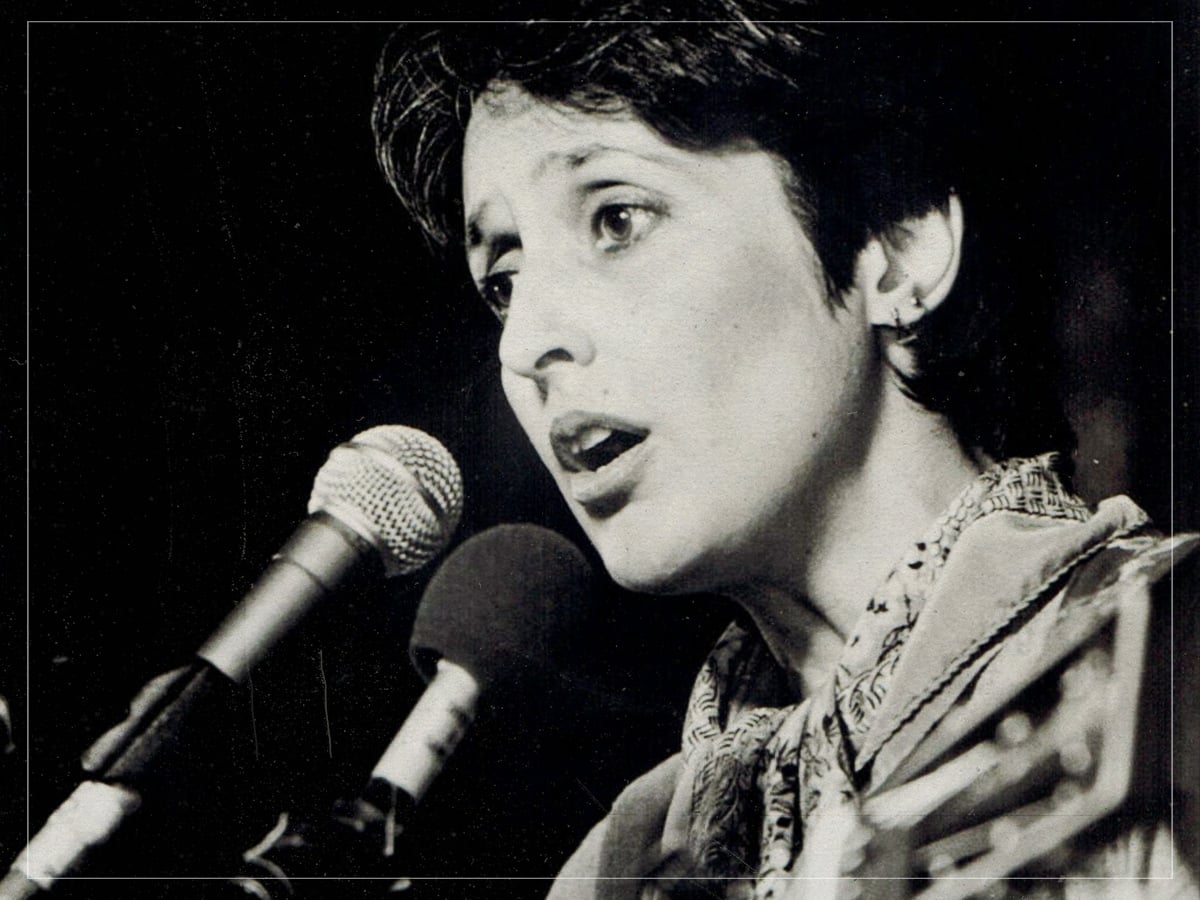
It could have been easy to swap this out for Bob Dylan’s version of ‘Don’t Think Twice, It’s Alright’, but given that Dylan’s take isn’t what you’d call underrated, it felt natural – and necessary – to include his underappreciated folk comrade Joan Baez instead. Besides, her version is just as good, if not better.
During Dylan’s rise, Baez was often resigned to the sidelines, his quiet champion who did more for his career than most will likely ever know. However, most of her songs and covers were just as reflective of the zeitgeist as her cultural counterpart, her voice a beautiful conduit for all the thoughts, feelings, and experiences of most of the greatest minds of the counterculture movement.
In the future, it would be an extraordinary victory for Baez to earn more credit for everything she did, especially when it came to putting her own spin on others’ songs and giving them a fresher voice – something that, once again, audiences will no doubt cherish in a world filled with inauthentic art.
Nina Simone – ‘Strange Fruit’

A song that seemingly gets more relevant with age, Nina Simone’s version of ‘Strange Fruit’ is a brutal navigation of violent history, tackling the subject of the lynching of African Americans in the South. One that conjures heady imagery and confronts one of the most disturbing periods, the song is arguably more important than it’s ever been, and likely will only get more important as time goes on.
A major aspect of the song’s endurance is also Simone’s delivery, which comes across as a sharp, stripped-back vocal and emotionally cutting delivery, leaving little space for you to do anything other than sit in the discomfort of its subject matter. In the future, people won’t always look for escape through having fun, sometimes they’ll want to remember what art was like when it protested against some of society’s more inherent evils.
Tom Waits – ‘Hold On’

As the title suggests, this gem in Tom Waits’ discography talks a lot about unity and community. Written with his wife, Kathleen Brennan, ‘Hold On’ is a direct rumination on remaining positive through hard times and holding onto whatever it is that gives you hope. The simplicity of the arrangement enhances this message, allowing some respite from the chaos of everyday life.
When Waits was writing the song, he captured the one theme that will resonate for years to come: resilience. As he explained to Newsweek, “I thought that was a good thing to say in a song. Hold on. We’re all holding onto something. None of us want to come out of the ground. Weeds are holding on. Everything’s holding on.”
He added, “I thought that was a real positive thing to say. It was an optimistic song. Take my hand, stand right here, hold on. We wrote that together, Kathleen and I, and that felt good. Two people who are in love writing a song like that about being in love.”
