


Five times when the movie was better than the book

Novels have long been the perfect source material for filmmakers eager to make adaptations of classic works of literature. Describing wild worlds and intricate minds with the dynamism of the written word, books provide the basis for thousands of movies from across the globe, giving a base concept to a screenwriter tasked with adapting the novel for the big screen.
Such adaptations can go one of two ways, with fierce fans of the original novels either loving or hating the movie adaptations, with little room for middling opinions. Take the adaptation of Stephen King’s beloved Dark Tower, which was berated by fans in 2017, versus the adoration that was given out to the 2017 version of It by the same author, starring the likes of Sophia Lillis, Finn Wolfhard and Jaeden Martell.
Looking back through the history of cinema, take a look at our list below that focuses on five movies that proved to be better than their literary source material. Looking at films from the likes of Robert Zemeckis, Steven Spielberg and Jonathan Demme, see if you agree or disagree with our picks.
Five times the movie was better than the book:
Jaws (Steven Speilberg, 1975) – based on Jaws (Peter Benchley, 1974)
Steven Spielberg’s marine-based horror movie is a classic of the genre that is as intense as it is perfectly poised as one of the most impressive dramas of the 1970s. Based on the 1974 novel by Peter Benchley, whilst Spielberg takes the key features of the tale, he also adds several new elements, changing Amity’s location from being a municipality on Long Island, NY, to being a beach-resort island.
The most drastic change is the film’s ending, which is totally different from the book, but thankfully for fans of Spielberg and his iconic movie, the movie version is better.
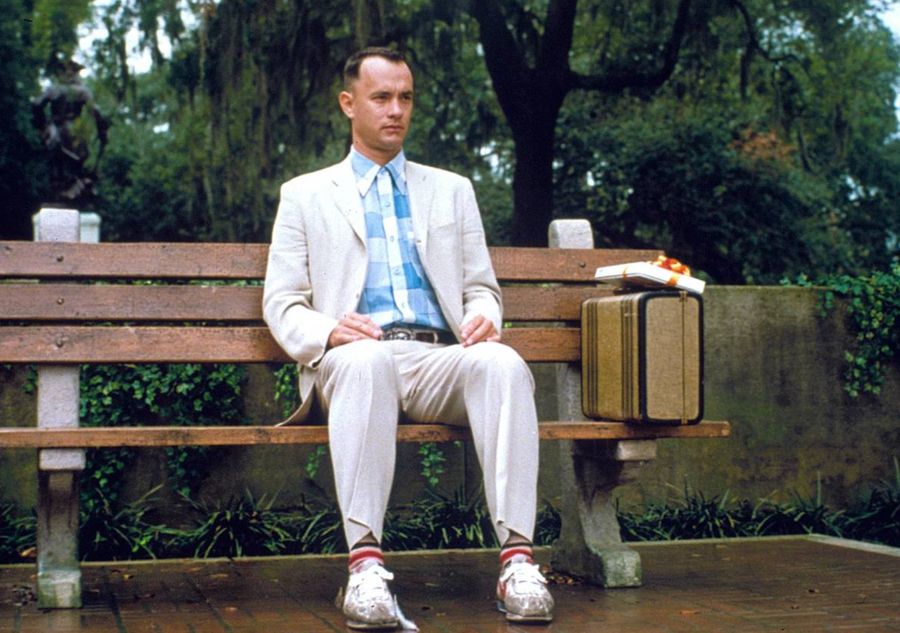
Forrest Gump (Robert Zemeckis, 1994) – based on Forrest Gump (Winston Groom, 1986)
Though beloved by fans, Robert Zemeckis’ Best Picture-winning 1994 movie Forrest Gump splits critics to this very day, with many believing it to be a saccharine version of American history. Despite this, Zemeckis did a great job in changing the film from its original source material, with the movie being wildly different from the book, featuring almost an entirely different plot.
Indeed, apart from the title character’s name, Zemeckis takes several creative decisions that make his version better than the book, forgetting the novel wherein the character grows up healthy and is known for his colossal penis (yes, you read that right).
The Silence Of The Lambs (Jonathan Demme, 1991) – based on The Silence Of The Lambs (Thomas Harris, 1988)
Whether you think Jonathan Demme’s The Silence of the Lambs is an iconic horror movie or a dark crime drama, all fans can agree that it is undeniably better than Thomas Harris’ original page-turner. Whilst the book remains excellent, it is unfortunate for Harris that Demme’s film, helped by the performances of Jodie Foster and Anthony Hopkins, is just a little bit better, confirming its place as one of the most worthy Best Picture winners of all time.
One of the key differences between the two texts is the film’s ending, with the novel taking far more time to set up the villain’s escape and transformation into a ‘new man’.
Jurassic Park (Steven Spielberg, 1993) – based on Jurassic Park (Michael Crichton, 1990)
When you think of revolutionary science fiction movies, Steven Spielberg’s Jurassic Park should really pop into your mind, with the iconic American filmmaker utilising some incredible animatronics to bring dinosaurs back from the dead. However, his film is quite different from Michael Crichton’s wordy and science-heavy novel, with the author focusing more on how and why the park was made than Spielberg’s version.
Keeping true to his own filmography, Spielberg lightens up the material of Crichton’s novel, which is a lot more violent and psychologically dark than the family affair of the movie.
The Notebook (Nick Cassavetes, 2004) – based on The Notebook (Nicholas Sparks, 1996)
The beloved romantic comedy The Notebook, starring Ryan Gosling, Rachel McAdams and James Marsden, is on our list. Based on the 1996 novel by the famous romance novelist Nicolas Sparks, the film tells a timeless love story between two unlikely lovers from opposite ends of the social hierarchy. Criticise the film all you want, but lovers of the corny rom-com will stand by its saccharine delivery.
Strangely, Nick Cassavetes’ film is much more detailed than Sparks’ novel, breaking down the characters far better than the author ever could.
