


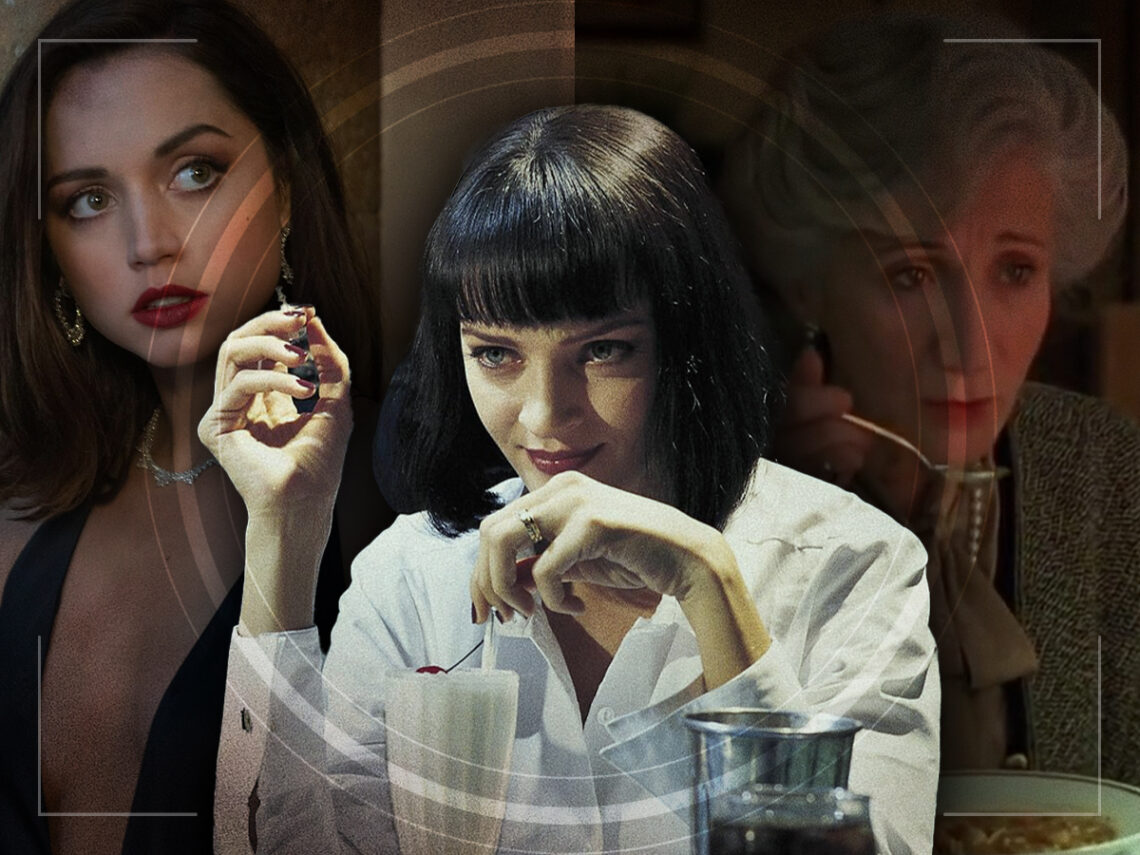
Five supporting women who stole the whole movie

Women have never had it particularly easy in Hollywood.
Most of the best roles go to men, with female parts in major films often being reduced to love interests, sidekicks, or background players. It’s better than it used to be, but there’s still a long way to go.
Cream always rises to the top, however, and talented female performers will always shine, regardless of how ‘small’ their parts are on paper. Sometimes, a single scene is enough to convey just how good somebody is, as these five extremely capable performers demonstrate.
The word ‘supporting’ doesn’t have a clear definition in film, as it’s usually down to the viewer’s discretion. We’ve deemed that all of these actors were far enough removed from the main story to be considered secondary characters, although some might actually be less than that.
From ass-kicking spies to complicated mothers to mob wives looking for a good time, these characters don’t come close to their male counterparts in terms of screen time, but they blow them out of the water in sheer watchability. If that’s a word… which it almost certainly isn’t.
Five supporting women who stole the movie:
Uma Thurman – ‘Pulp Fiction’

Uma Thurman’s Mia Wallace is only on screen for about 32 minutes. That’s just over 20% of Pulp Fiction’s runtime. In comparison, John Travolta gets 83 minutes (over 50% of the entire movie), while Samuel L Jackson and Bruce Willis each get over 50 minutes dedicated to them. Yet, if you were to ask something to think of a still from the film, chances are Thurman’s face would be in it.
The beautiful, yet repressed wife of mob boss Marsellus (Ving Rhames), Mia dominates every single scene she’s in. Her cold, precise delivery of Tarantino’s legendary dialogue is equal parts terrifying and alluring, as she bosses very dangerous men around without a second thought. Her iconic moments range from almost dying via overdose to twisting up a storm to the sound of Chuck Berry.
She’s the only person on the damn poster of the movie, for crying out loud. She might not have much (if anything) to do beyond the first segment of this twisted tryptic, but by many key metrics, Mia Wallace – and, by that logic, Uma Thurman – are Pulp Fiction. Strange to think that she very nearly quit the film over a single scene.
Jennifer Saunders – ‘Shrek 2’

The first Shrek movie established the angry green ogre as a screen favourite. However, it was the second instalment that made him a legend.
Shrek 2 is a proper masterclass in how to do a sequel right. It builds on the characters we already know and love, while chucking in a whole bunch of new faces. And, of course, it gave us ‘Handsome Shrek’ – the gift that genuinely keeps on giving. One of those new additions is the Fairy Godmother. She’s the villain of the piece – a glammed-up sorceress who’ll do whatever it takes to get her lad, Prince Charming, on the throne. That includes everything from slinging magic potions and charming bits of furniture to belting out a Bonnie Tyler banger.
The Godmother, who is voiced superbly by Jennifer Saunders, isn’t just funny, she’s also exactly the sort of baddie the series needs. Shrek is all about flipping fairytale conventions on their heads. The fact that the Fairy Godmother, usually a symbol of good, is running around meddling in a love story is genius, and Saunders carries the character perfectly. She has all the poise and grace of a conventional helpful sprite, but when it’s time to get nasty, oh boy, can she get nasty.
Olympia Dukakis – ‘Moonstruck’
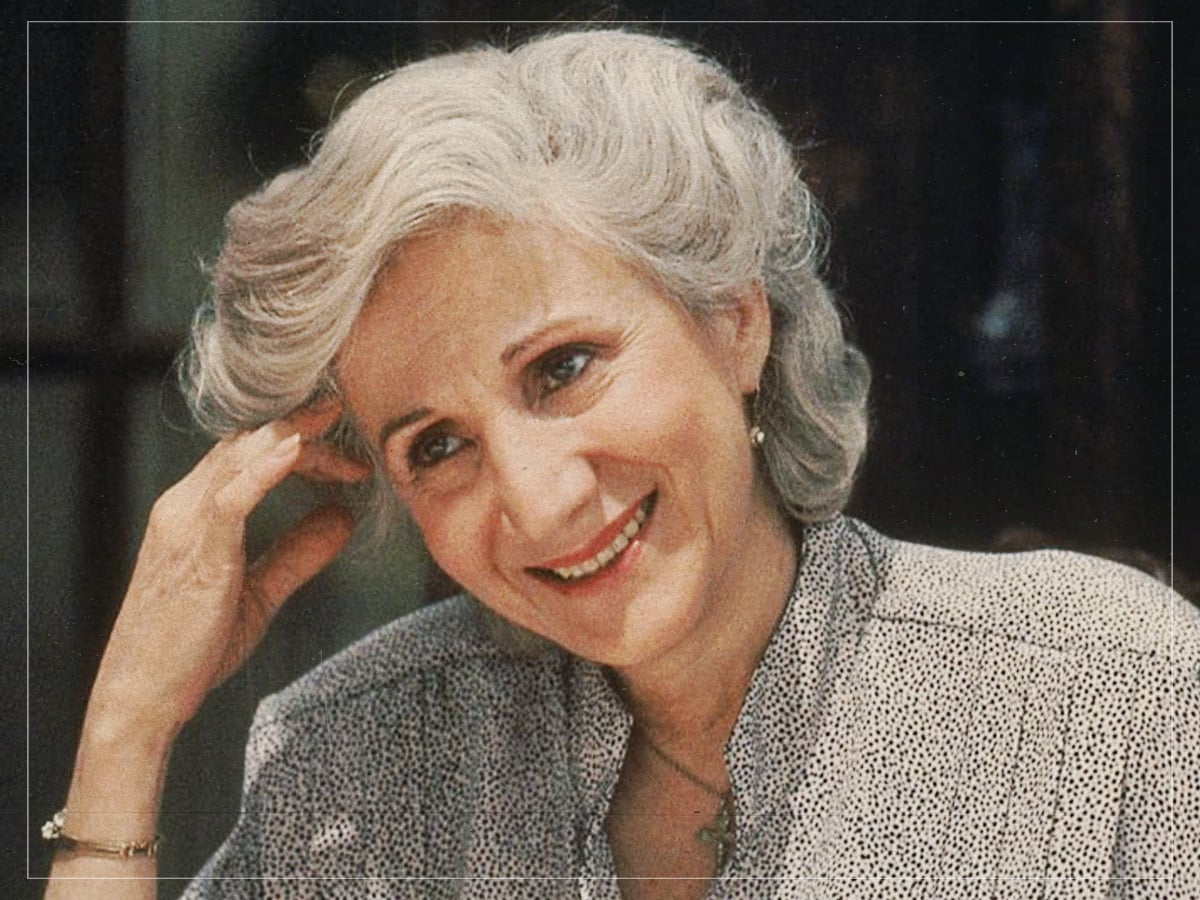
Most people know one piece of trivia about the film Moonstruck. This is the movie that landed Cher one of the most unlikely Oscars of all time, as she scooped ‘Best Actress’ for her performance as Loretta Castorini, a young widow who falls in love with a tempestuous Nicolas Cage.
However, the chart-topping singer wasn’t the only cast member to walk away with the gold that night. The late Olympia Dukakis also picked up a prize for her portrayal of Loretta’s mother, Rose.
Cher and Cage bring the zany energy in a way only they can, while Dukakis acts as a more grounding force. The main focus is on her daughter, but her story is arguably more compelling. In the scene where she witnesses a couple have an argument and then invites the man to join her for dinner, her battleaxe persona melts away, and you get a sense of why she might be so tough on her aspiring offspring.
That’s not to say she doesn’t lift her weight in this comedy. She’s brilliantly acerbic, quick-witted, and sharp as a tack. It takes a lot to outshine the mighty Cher, but Dukakis pulls it off without breaking a sweat.
Jessica Lange – ‘Big Fish’
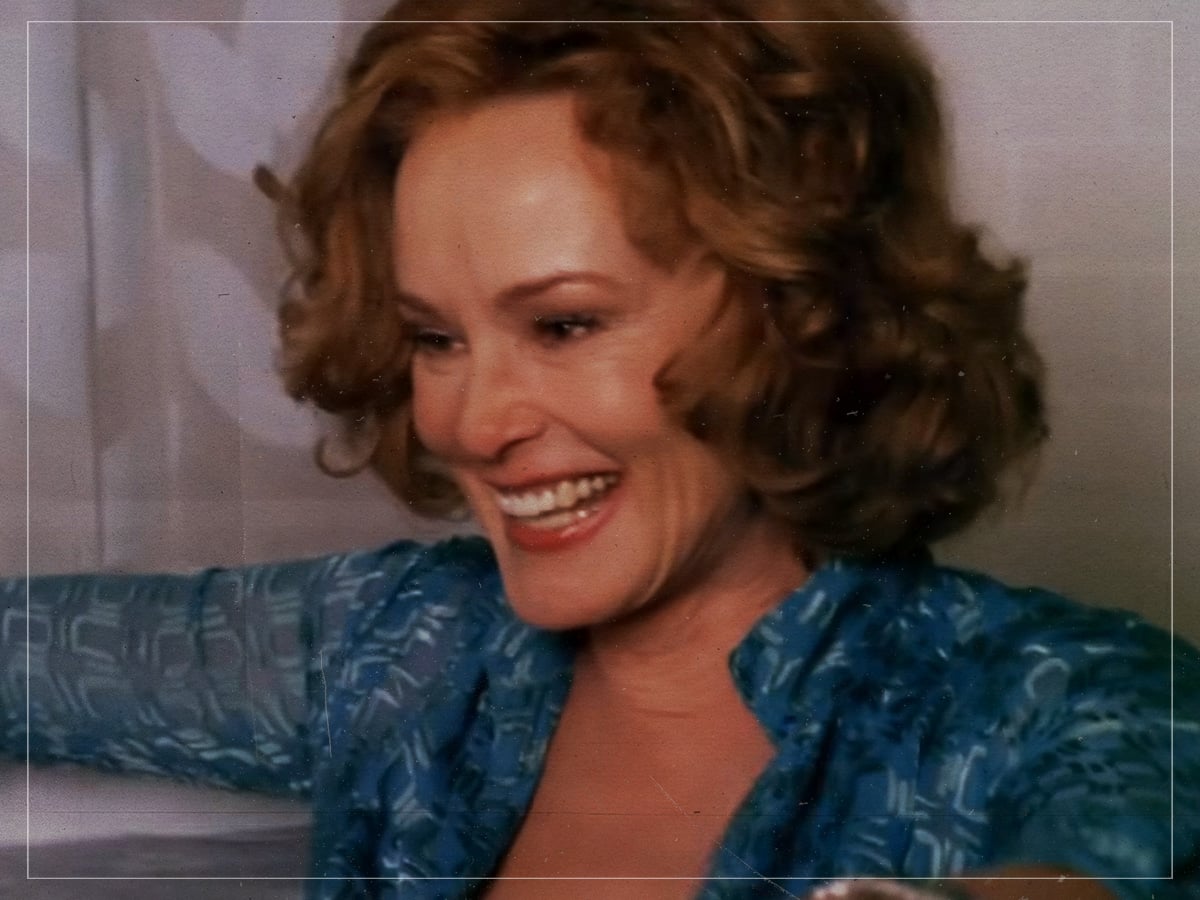
Often overlooked among the rest of Tim Burton’s filmography, Big Fish is a beautiful story about a son attempting to reconcile with his terminally ill father.
The film is packed with excellent characters, from the beautifully grounded to the utterly absurd. Albert Finney does some of his best acting ever, even though he’s mostly confined to his best, while Ewan McGregor perfectly portrays his younger self. Marion Cotillard, Danny DeVito, and Steve Buscemi provide superb supporting roles, and then there’s Jessica Lange.
The double Oscar winner was given something of a thankless task in playing the mother and wife of the respective main characters. With all the attention on the two leading men, there isn’t much room for her to show off her incredible ability. Still, you know what they say – there are no small parts, only small actors. Lange’s performance as Sandra Bloom is spot on. She is able to convey her quiet grief at her husband’s situation while also putting on a brave face for the sake of the family. The scene in which she joins Finney in a bathtub – fully clothed, I might add – is an absolute emotional bombshell.
Ana de Armas – ‘No Time to Die’
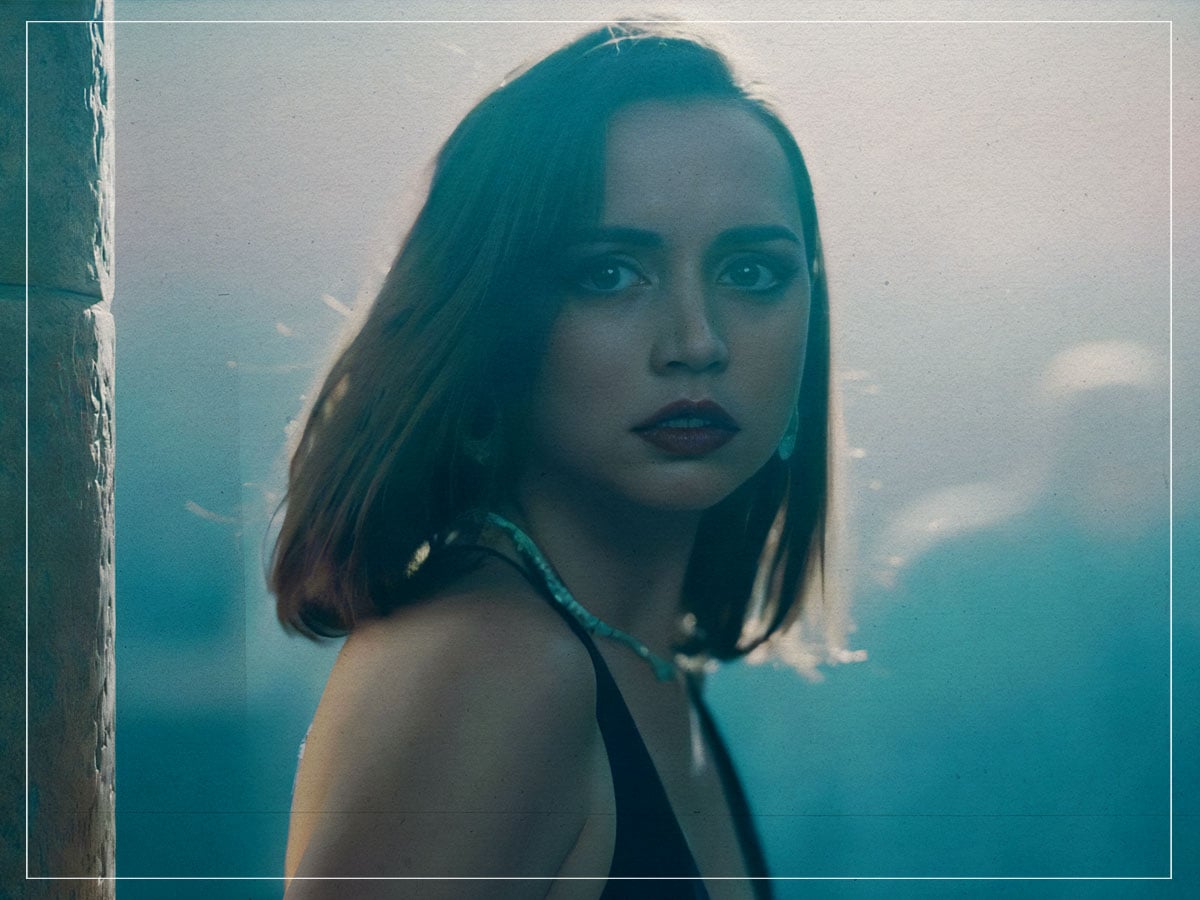
Women haven’t always had the best time in the ‘James Bond’ franchise.
When they’re not swooning over the main man, they’re being kidnapped, threatened, or even killed – often without much thought given to their own story. And then there’s all the misogyny, which is… a lot. That’s why Ana de Armas’ turn in No Time to Die felt like a proper breath of fresh air. Paloma, a nervous and seemingly inexperienced agent (but one who’s clearly got the skills), teams up with Bond to crash a Spectre meet-up in Cuba. From the moment she steps into frame, you can just tell she’s going to steal the scene.
Paloma doesn’t get a lot of screen time, but her character is fully formed. She’s excitable, eager to impress, but steadfast in her resolve and certainly not naive. In older ‘Bond’ encounters, she would have been exactly the sort of young woman who would have fallen into 007’s arms with very little effort.
Instead, Paloma rejects his advances, making it clear that the mission is her one and only target. She does this without sacrificing an ounce of femininity; she’s desirable, yet highly capable. This brief outing helped put de Armas on a lot of people’s maps and is one of the highlights of a very ropey film.
