


Five songs that redefined protest music in the 21st century

Rock and roll has always been unafraid to speak its mind. While some enjoy the notion of crafting songs that provide comfort, the genre has equally thrived on creating anthems that resonate with crowds, whether or not they own the record. It’s about turning up the volume—both literally and figuratively—and making a statement. Bands like Green Day exemplify this, using their platform to voice their thoughts unapologetically and inspire legions of fans to sing along.
While protest music has been nothing new since the days of Joan Baez and Bob Dylan, the way that people choose to deliver their messages changed over the years. Whether that’s using different mediums or making inroads into other genres, hearing every artist dial up their voice in the next century helped reignite the conversation around what everyone’s human rights should be around the world.
Whether discussing the future of global politics or calling out those who dared infringe on someone’s freedom of choice, this was a reminder of the carnage happening every day and a way for most people to cope with seeing their cities on fire. No matter how much the fire raged outside, this was a reminder that things were going to be fine as long as there was music to carry us forward.
And it’s not like people have forgotten what these songs had to say since, with many of them still ringing true today even if the politicians in question aren’t in power anymore. Because even if the time and place are removed from these classics, the mark of any good art is making protest songs about the human condition rather than the here and now.
Five songs that defined 21st century protest music:
5. ‘White America’ – Eminem
By the 2000s, rap was quickly overtaking rock and roll as the main outlet for protest music. Since everyone had accepted rock as one of the biggest genres in the world, it was hard to still look like the underdog in a world that had co-opted that style for their own. Eminem was always looked at as the underdog in everything he did, and when looking at George Bush driving the US into the ground, ‘White America’ was the one political punch he managed to land.
Although tunes like ‘Square Dance’ and ‘We As Americans’ were a lot more toothless, hearing him talk about the real kids that listen to his music and the example that the big wigs are giving them is actually a pressing comment from Mr Slim Shady. Most of the Eminem show would go back to the lore of his character and his reputation of being a maniac, this was one of the few times he reminded parents that ‘Little Eric’ could grow up to be someone like him too if they weren’t careful.
4. ‘BYOB’ – System of a Down
As Americans prepared for war in the wake of 9/11, most people were much more worried about getting kicked out of Hollywood if they dared to speak about it. Although some people managed to land a few punches, it’s understandable why Madonna ended up reeling back on her video for ‘American Life’ after the Dixie Chicks ended up sinking like a stone. America wanted a big, strong beast-man looking out for them, but System of a Down screamed as loud as they could about what problems were underneath anything.
Outside of discussing why presidents use people like pawns in war, the sudden shift from slow and mellow to absolutely insane is one of the most absurdist ways of tackling a protest song. Once Daron Malakian screams, “IT’S PARTY TIME,” this isn’t the kind of party anyone wants to be invited to. Because if you’re not celebrating, you’re not patriotic, and looking at that reality, System knew that it was impossible to behave that drone-like.
3. ‘The Charade’ – D’Angelo
The entire country seemed to be shaken up by the time that Black Lives Matter began getting underway. The problems had been right under everyone’s noses the entire time, but now that people were actually dying at the hands of police brutality, there was no way people were going to gloss over it like it was nothing. And after years away from the limelight, D’Angelo somehow found a way to protest and make everyone groove to it.
Even though Voodoo was the last time we heard anything substantial, hearing the soul icon talk about protesting and then getting outlined in chalk was a sad indictment of what the consensus was like. Prince may have had his own tribute when he released the song ‘Baltimore’ shortly before his death, but considering how much fire was in D’Angelo’s delivery, he took ‘The Purple One’s style one step further.
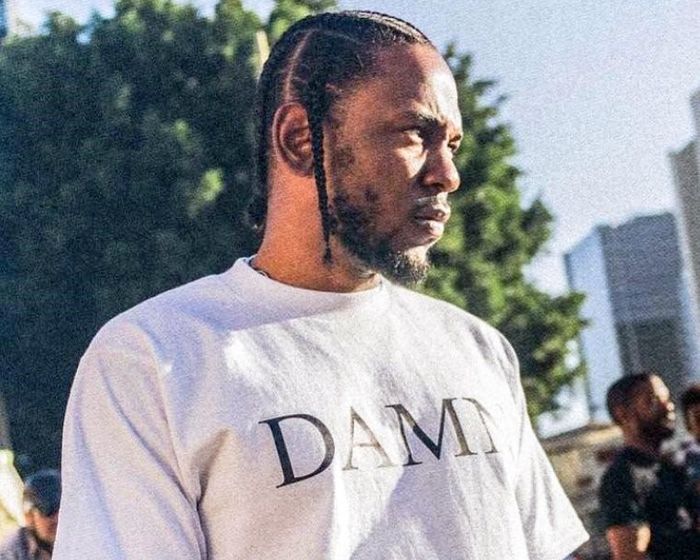
2. ‘Alright’ – Kendrick Lamar
It didn’t take long for Kendrick Lamar to say what was on his mind. Although he waits for what feels like ages in between records, he will meet the moment if the time calls for it, especially looking at the one-off singles that he released at the height of his beef with Drake. That was all about traditional rap battles, but ‘Alright’ hit on something that was much broader than any type of musical fight.
Riding a Pharrell beat, Lamar became the unofficial anthem in the wake of the Black Lives Matter movement. While it plays its part in the context of To Pimp A Butterfly, hearing it become adopted by protestors that are sick of being treated like trash was the best way someone could have captured the moment. Because this was no longer about talking about hating the police. This was a story of survival, and as long as Lamar’s higher power was watching over him, he knew no one else could touch him.
1. ‘American Idiot’ – Green Day
The entire Bush regime of rock and roll seemed like one mindless butt rock band after the next. Even though there was still some interesting music going on, like The Strokes, the radio wanted to hear something like Nickelback or Puddle of Mudd rather than anything that rocked the boat. But Billie Joe Armstrong knew what radio wanted to hear, and he used every trick in his playbook to spit his vitriol right back at George Bush on ‘American Idiot’.
As much as people were hesitant about protest music, Armstrong managed to dissect Bush’s character in real-time, saying that he never wanted to be a part of his redneck ways and was proud to be called whatever slur that any naysayers wanted to fire back his way. This is the kind of move that usually gets anyone blackballed from the industry, but by toeing the line and never getting too specific, Armstrong gave us the 2000s answer to what Joe Strummer started on London Calling.
