


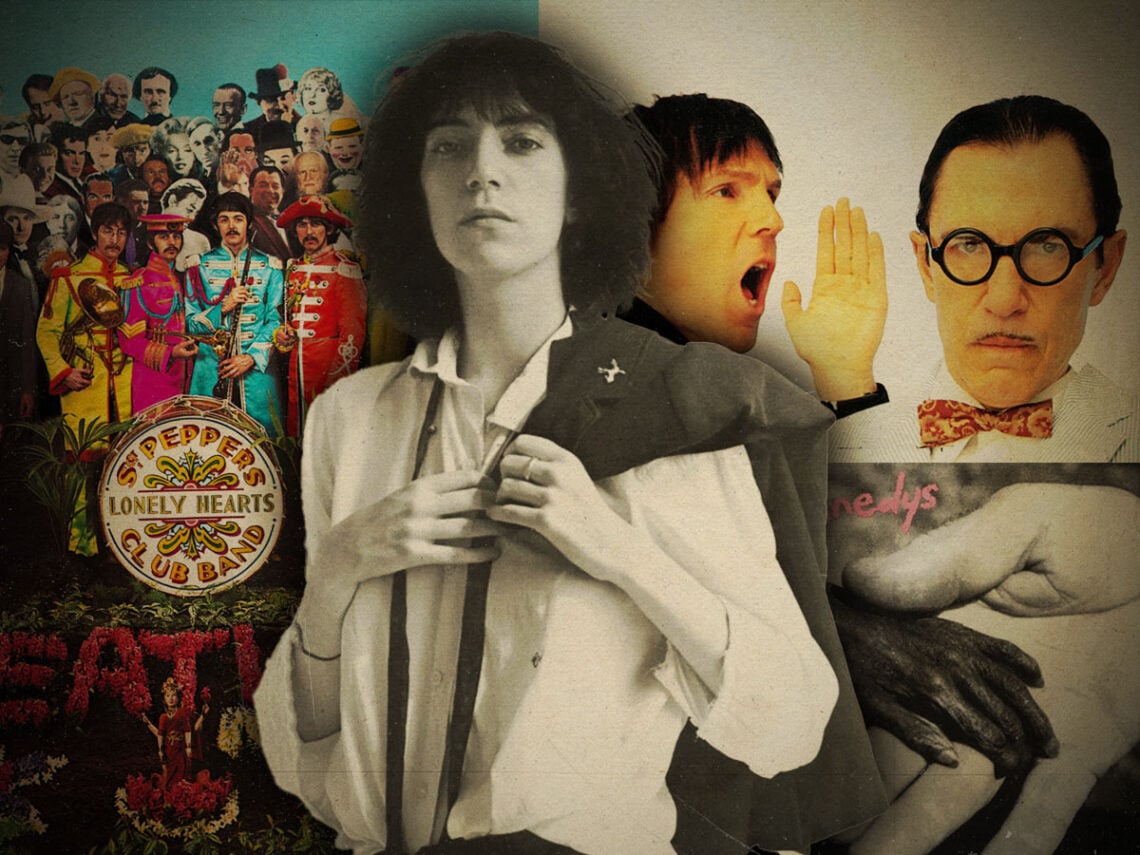
Five songs that completely switch styles halfway through

What’s in a genre? Whether it is simply a means of segregating the sections of a record store or a distinct set of rigid musical guidelines to be followed with painstaking accuracy, there has never been a shortage of artists defying the very idea of being committed to one genre.
If you think about it for more than a minute, the idea of genre has always been rather muddied. Rock and roll, for instance, is one of the most ubiquitous genres within the musical landscape, but rock itself is a blending of blues, country, and R&B, which itself, as its name would insist, is a combination of blues and gospel. Everything is intertwined, so why bother even thinking about the significance of genre or style, because the artists in this list certainly didn’t.
While there is no shortage of artists, albums, and specific tracks capable of changing the mood or pace of a song at the flip of a switch (or the push of a pedalboard), changing genres in between a song is an entirely different task altogether. For as much as genre is a largely made-up, arbitrary concept, there are certain practices which fit inside one scene and not others. Distorted power chords, for instance, are a mainstay of punk rock, but they don’t often crop up in the jazz bebop world.
Nevertheless, there are a select few artists who have managed to pull such a seemingly impossible task of changing categorisations in the middle of a track. From dance songs morphing into metal headbangers, spoken word poetry turning into punk aggression, or even experimental rock switching into jaunty music hall, it is hard to imagine anybody predicting the narratives of these tracks upon first pressing play.
Five songs that switch styles halfway through:
Belle and Sebastian – ‘Your Cover’s Blown’
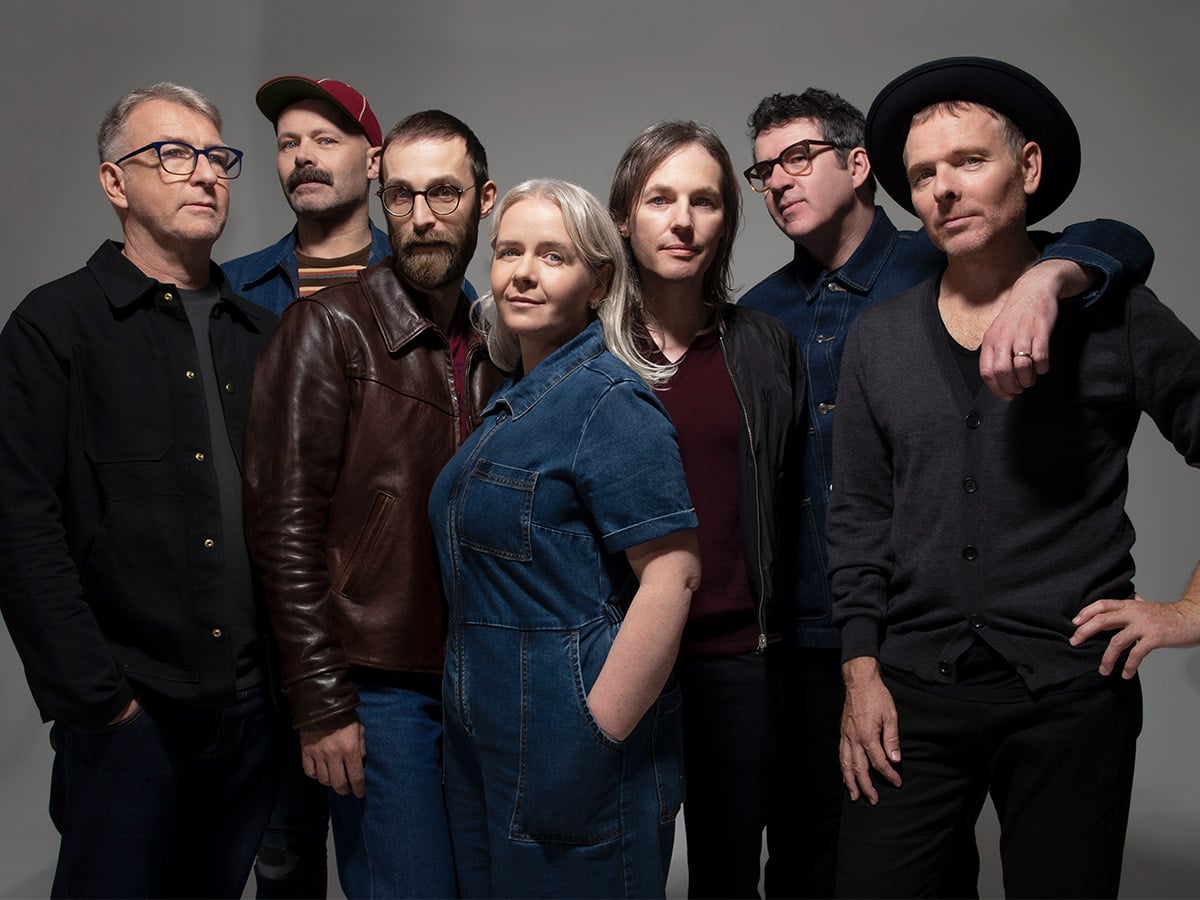
Belle and Sebastian, perhaps more so than any other indie outfit of the mid-1990s, have always had their distinctive, gentle, Stuart Murdoch-fuelled sound. However, over the course of their illustrious discography, the Glasgow-born outfit has blended that distinctive sound with a wealth of different influences, including dance music.
Their 2004 track ‘Your Cover’s Blown’ was already a genre-spanning triumph upon its original release, but when it was remixed by Miaoux Miaoux, appearing on the 2013 compilation The Third Eye Centre, the disparities between Belle’s dance and indie rock influences were laid beautifully bare.
Beginning as a thumping, club-centric dance anthem but finishing as an indie classic with an admittedly driving dance beat, the track is not only a great example of switching genres in the middle of a song, but it is also an often forgotten gem in the band’s extensive discography.
Sparks – ‘Dick Around’
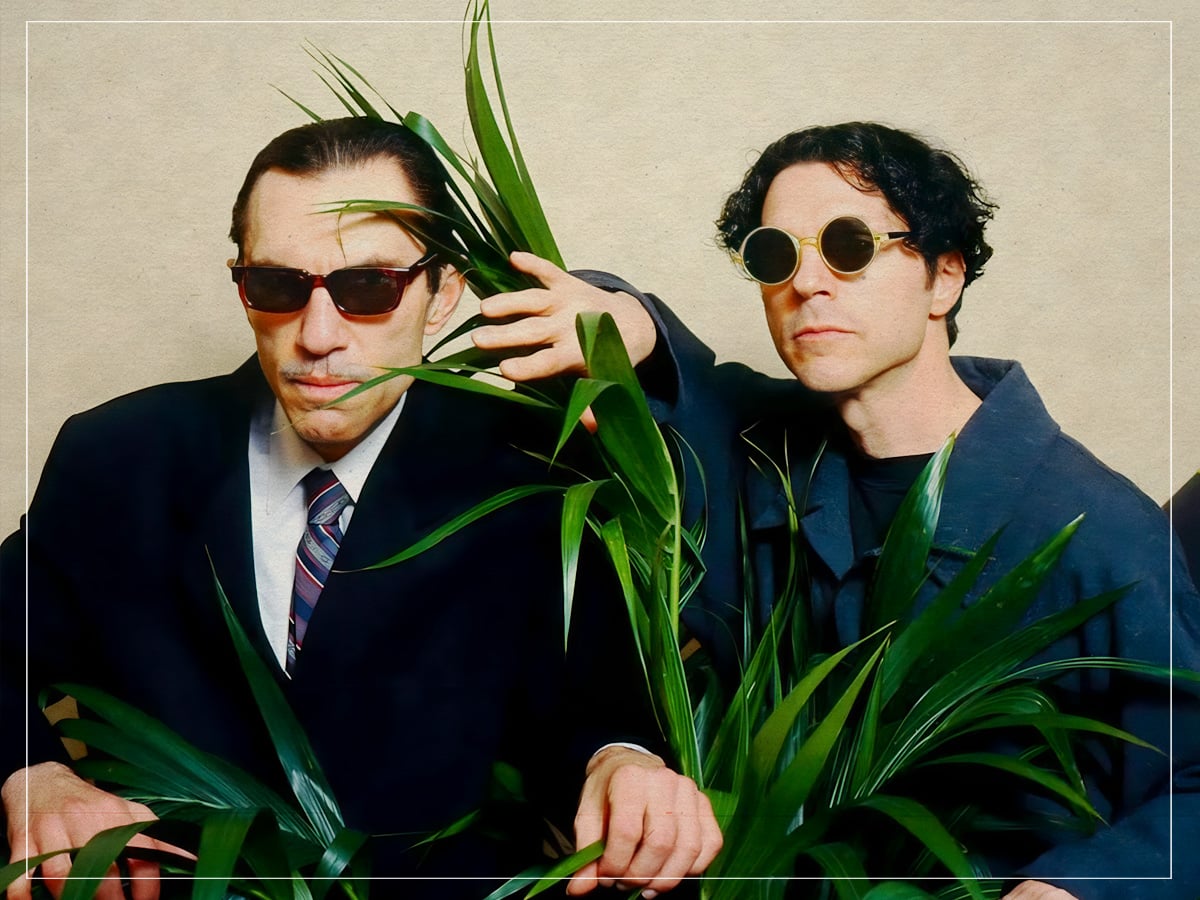
With nearly 30 albums under their belts, spanning the past 55 years, there aren’t many genres that Sparks haven’t explored at one time or another. Whether it was the glam rock leanings of their early days, the disco synthpop of their collaborations with Giorgio Moroder, or the expansive film scores of more recent years, it doesn’t appear as though Ron Mael has ever paid much heed to the idea of sticking to one genre. Still, ‘Dick Around’ was diverse even for him.
Released in 2005, from their often-overlooked Hello Young Lovers LP, the song begins in the kind of art pop style that is typical of Sparks’ usual output, before Russell Mael ushers in a wholly unexpected dart into the realm of heavy metal almost exactly halfway through the song’s runtime.
Although not a style that particularly suits the brotherly outfit, their eagerness to explore the abrasive sounds of hard rock does speak to their endless penchant for exploration, almost as if they have gone through their careers with a ticklist of sounds to experiment with.
Dead Kennedys – ‘We’ve Got a Bigger Problem Now’
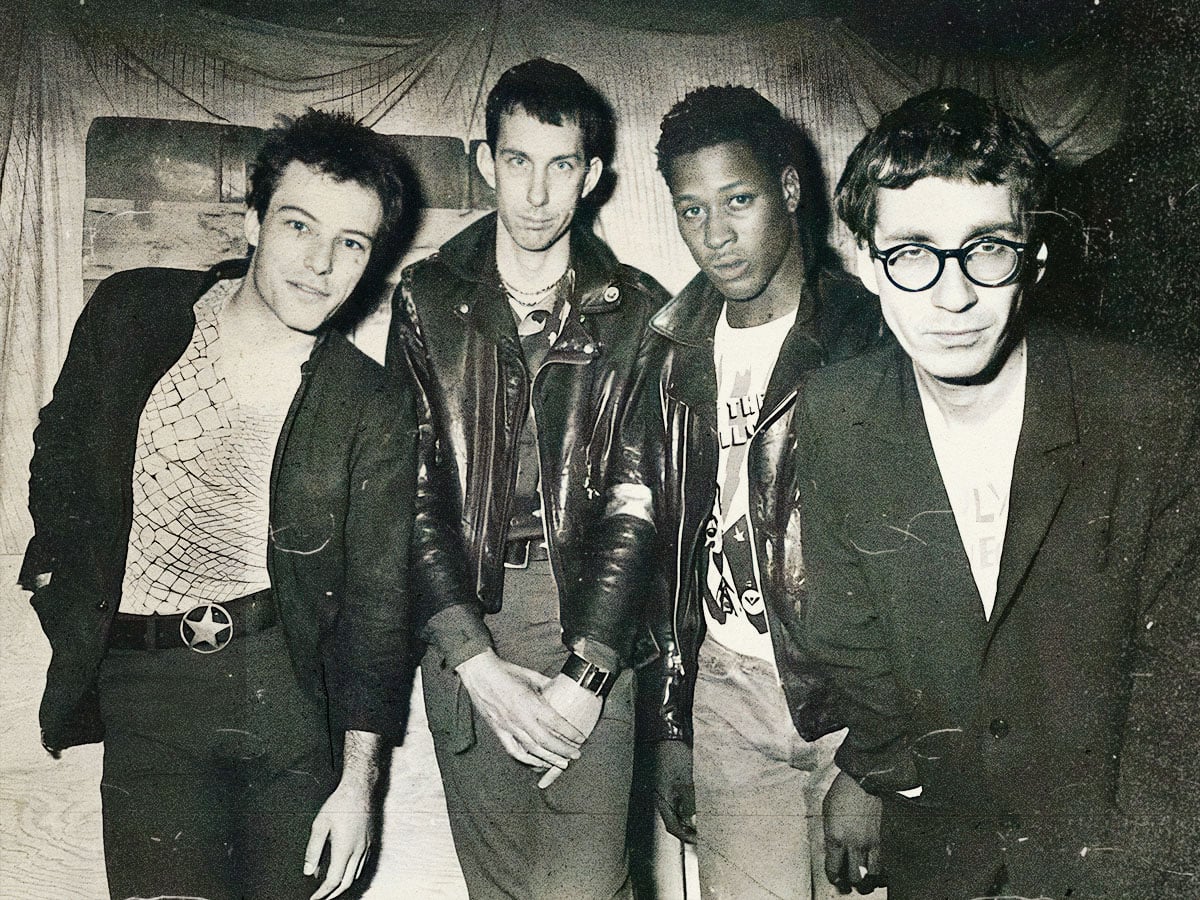
A DIY ethos and the idea that anybody can start a band meant that punk rock was largely dominated by power and barre chords, rather than the kind of intricate, experimental compositions that propped up the jazz world. Despite not being the most skilled musicians in the world, San Francisco punk legends Dead Kennedys sought to connect those two genres in the self-referential 1980 track, ‘We’ve Got a Bigger Problem Now’.
Partially made up of the band’s own anthemic track ‘California Uber Alles’, the song contrasts its hardcore punk leanings with a lounge jazz sound, with Jello Biafra playing the role of a bizarro cabaret crooner, rather than his usual energetic, unpredictable punk self. While this track is a bit of an outlier on this list, given that Dead Kennedys’ incorporation of another genre was a means of satire, it is nonetheless impressive that the band managed to blend those two very disparate styles.
Patti Smith – ‘Land’
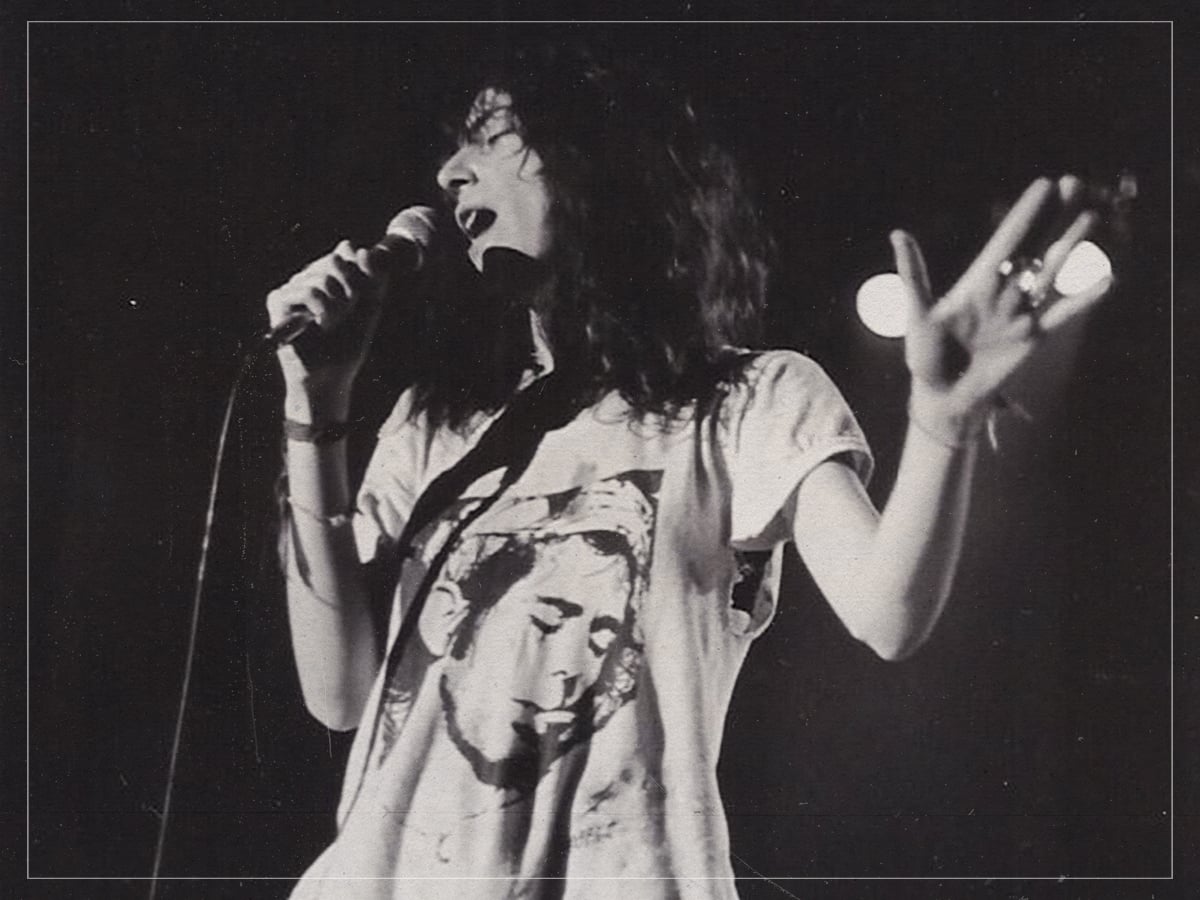
Pinning Patti Smith to one particular genre has always been an impossible task. Sure, she might have been credited as one of the pioneers of punk rock, but the actual content of 1975’s Horses is difficult to place in the same category as, for instance, the Ramones or the New York Dolls. ‘Land’, the three-part cycle of ‘Horses’, ‘Land of a 1000 Dances’, and ‘La Mer (de)’, is an excellent nine-minute encapsulation of the diversity within her output.
Part spoken word vulnerability, part searing rock and roll, part old-school R&B, the suite was an incredibly ambitious undertaking for somebody as early in their career as Smith, and it immediately demonstrated the individualistic nature of her output. While her CBGBs contemporaries were focused on safety pins and barre chords, Smith was experimenting with just what was achievable in the confines of one song.
The Beatles – ‘A Day in the Life’

The archetypal example of a song of two halves, ‘A Day in the Life’ remains the greatest insight into the difference between John Lennon and Paul McCartney as songwriters. Beginning with Lennon’s avant-garde exploration of newspaper headlines and the tragic death of The Beatles’ close comrade Tara Browne, the middle section of the song is where McCartney comes in, with his orchestral pop jauntiness at the forefront, in a stark contrast that somehow fits beautifully.
You might argue that this song is cheating a bit, as far as the parameters of this list, given that it is essentially two separate songs spliced together in a wonderful blend of avant-garde psychedelia. Nevertheless, the track lays bare the wonderful diversity within the Lennon-McCartney songwriting partnership, which produced a wealth of different genre-spanning masterpieces.

Never Miss A Beat
The Far Out Beatles Newsletter
All the latest stories about The Beatles from the independent voice of culture.
Straight to your inbox.