


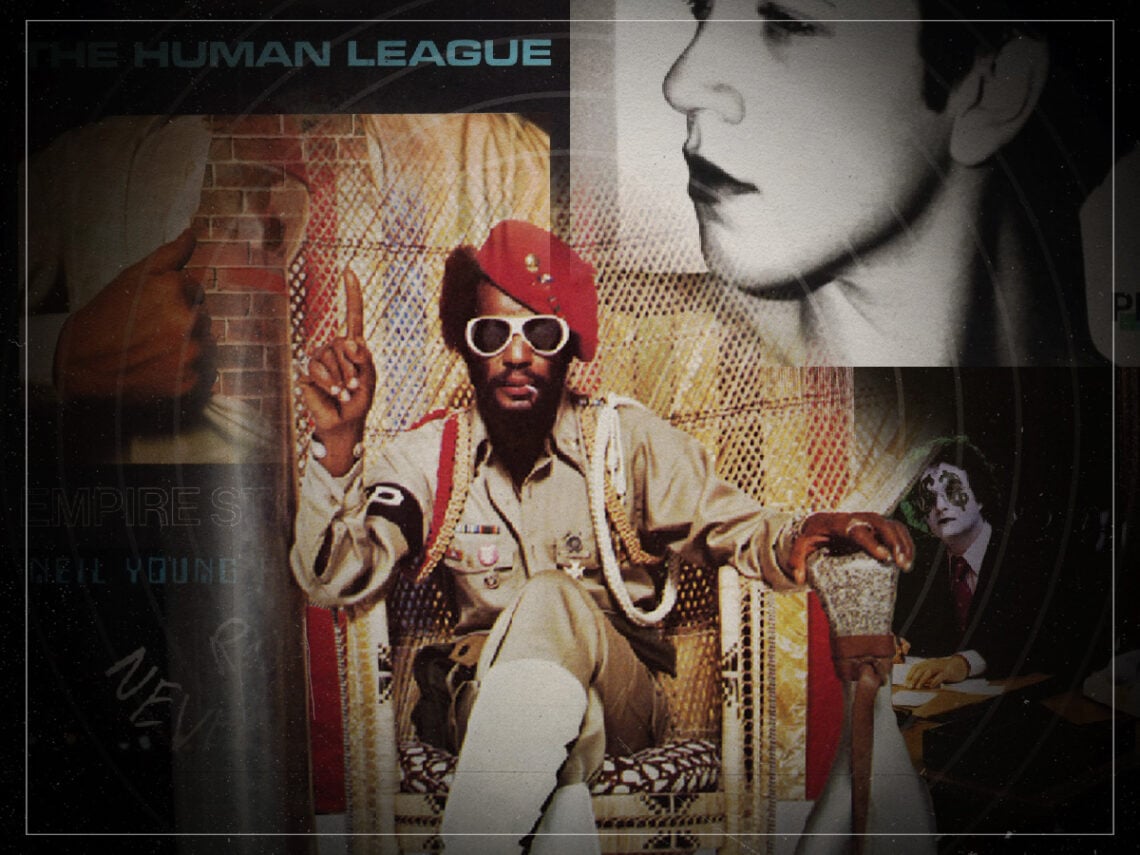
Five songs from 1979 that were well ahead of their time

In the final months of the 1970s, popular music was facing its biggest flux since rock and roll’s first plugged-in big bang 20 years earlier.
While a vague and nebulous term, the new wave was a very real thing. Born from punk’s lightning bolt three years previous, a new generation of artists, rhetorically at least, owed nothing to the hippy idyll that had curdled into prog or classic rock at its most bloatedly excessive. 1979 was the year new wave and the broader post-punk truly shone, pushing punk’s example into new terrain, and chopping down any peripheries that had been tediously put in place by the mohawked and tartan-slacked puritans seemingly set on snuffing the life out of punk’s glorious, insurrectionary yonder.
While not quite as seismic a leap forward as the previous decade’s dizzying cultural shift, the 1970s too found itself inhabiting a very different world than the one it arrived in. Technology was forging new aural flavours, ever-portable instruments and gear were rendering the daunting world of music that bit easier to chew, and an explosion of indie labels was at hand to take a risky punt on a new band’s off-kilter single or EP. Such conditions bloomed across 1979, overseeing a level of experimentation that rivalled anything from the swinging London era’s psych-garage fancies.
A brief perusal across 1979’s album drops reveals an astonishing year for both the mainstream and the underground, a 12 months of artistic essentiality that towers over the decade’s first year. Amid such a trove of dynamic works, we try our very best to glean a handful of numbers that marked the most prescient impact on music’s chart peaks and hidden subterranean.
Five songs from 1979 that were ahead of their time:
Lizzy Mercier Descloux – ‘Fire’
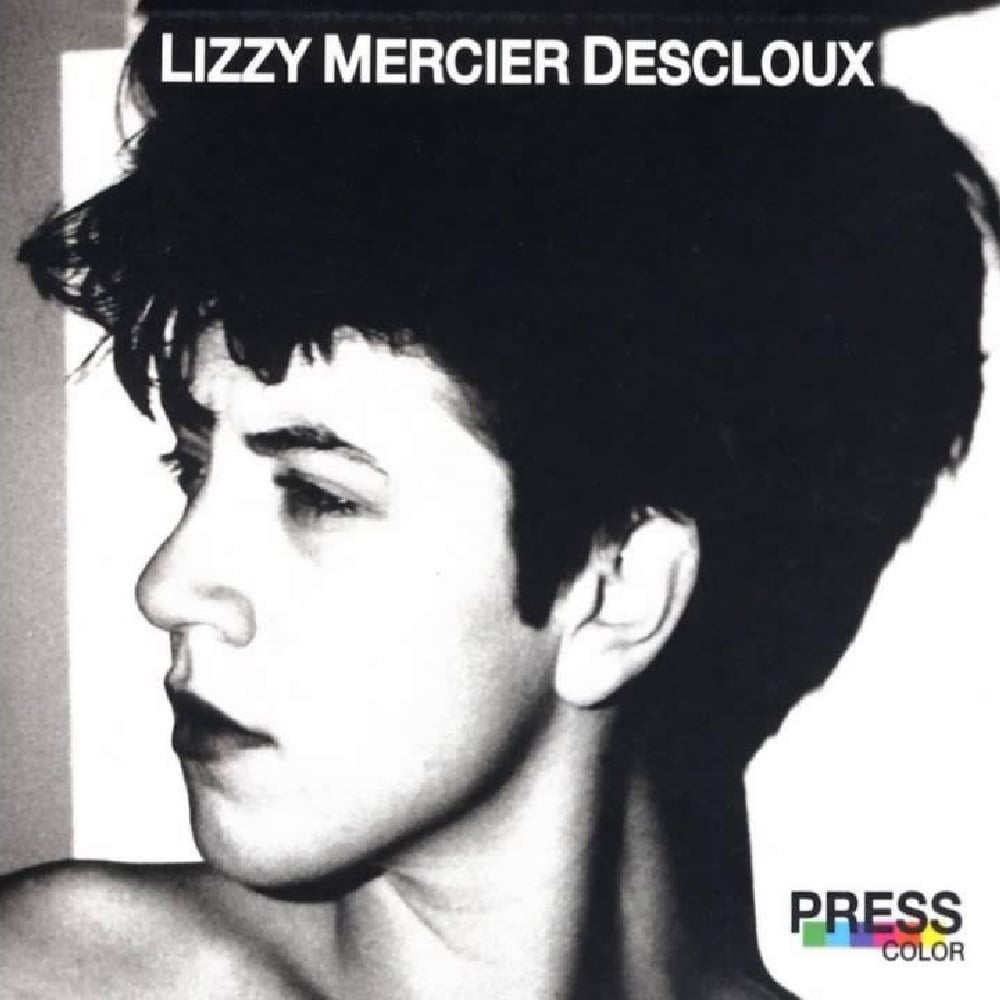
Producer: Michel Esteban | Label: ZE
As punk’s smoking crater was still sparking its embers across New York, the city’s enmeshing and converging cultural styles would all begin to gel together in mosaic fashion, the Lower East Side’s pre-gentrified golden age a febrile melting pot of post-punk pop, new wave dance grooves, and South Bronx’s block party rap echoing down to Manhattan amid its early to mid-1980s DIY pomp.
Paving the way for the mutant disco boom was Michael Zilkha and Michel Esteban’s ZE Records and their early signing, Lizzy Mercier Descloux. Hailing from Paris, Descloux landed on the ZE scene like a joyful whirlwind of zingy, DIY funk and minimalist party bounce, flexing a shock of wiry colour amid a post-punk crowd still mired in the day’s pessimism. Covering Arthur Brown’s ‘Fire’, Descloux’s gleefully amateurish blitz would spell a certain energy that would hang in the New York arts air for years to come.
Randy Newman – ‘Pretty Boy’

Release Date: August 1979 | Producer: Lenny Waronker and Russ Titelman | Label: Warner Bros
Across the decade, Los Angeles songsmith Randy Newman had garnered a unique reputation among the era’s singer-songwriters as an expert composer who could mask deeply biting and mordant lyrical satire. While never overly acidic and always within his Americana sense of inviting welcome, the Newman songbook laced a degree of subversion which would surprise future fans whose entry to his work was via the Toy Story soundtrack and his subsequent numbers for future Disney features.
Newman would never touch somewhere so quietly arresting as Born Again’s ‘Pretty Boy’, however. A dark and arresting snapshot of street machismo and cornered tension, Newman slips into the lens of a hostile agent of violence, taking an intimidating aim at the titular pretty boy whose macho act has weakened as the narrator inches closer. With Newman’s snarled yet terse delivery and the gothic shroud that drapes all over the piece, ‘Pretty Boy’ pangs with a classical-punk edge that feels right at home with anything from Nick Cave or even Scott Walker in the 1990s.
The Human League – ‘Empire State Human’
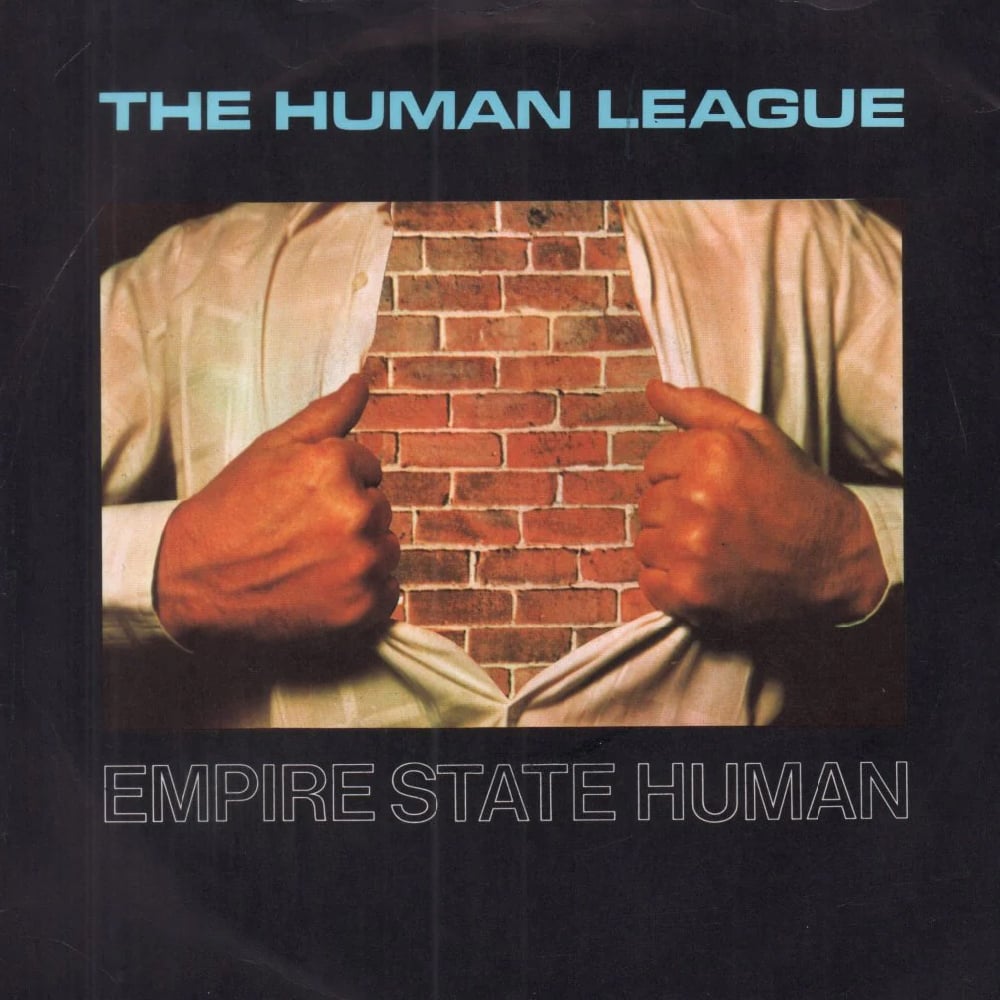
Release Date: October 1979 | Producer: The Human League and Colin Thurston | Label: Virgin
Electronic music was already bubbling away. All converts to Kraftwerk’s Kling Klang catalyst, disparate techheads from Throbbing Gristle, Cabaret Voltaire, Yellow Magic Orchestra, and Suicide were all wielding synthesisers as the primary instrument by the decade’s end, and Gary Numan’s former Tubeway Army band had scored a UK number one with ‘Are ‘Friends’ Electric?’.
But it was Sheffield’s The Human League that presaged synthpop the sharpest. While most of the electronic music by that point was dwelling in the darker realms of post-punk or struggling to shake off perceptions of knob-twiddling novelty, The Human League’s Mk I incarnation – schoolgirl singers Joanne Catherall and Susan Ann Sulley yet to join – scored a live wire, switched-on sound that snapped with electric charge, shimmering keys and punchy drum machines radiating all over their debut, Reproduction.
Only releasing one single for the album, ‘Empire State Human’ stands gargantuanly tall, laying all the blueprints for the synthpop domination waiting to dominate the UK pop charts with its majestically mechanised propulsion and futurist sheen.
Neil Young – ‘Hey Hey, My My (Into the Black)’
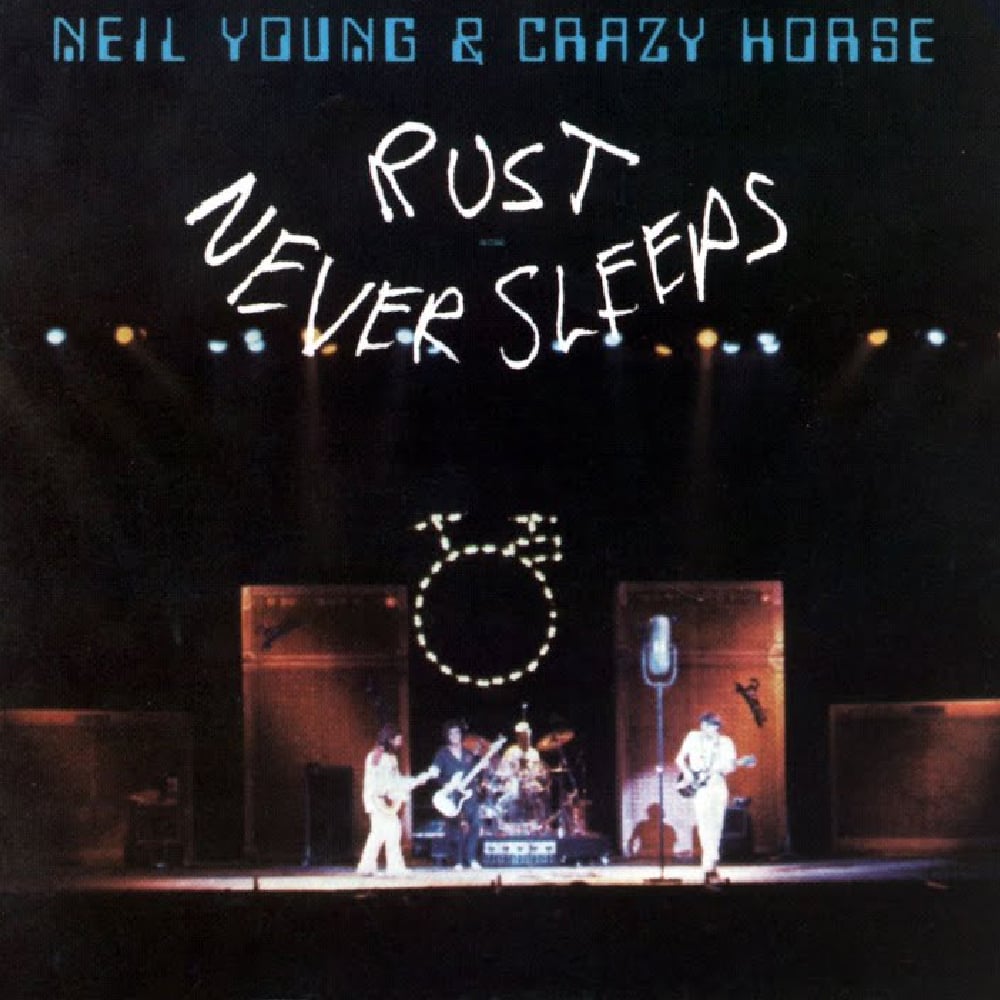
Release Date: August 1979 | Producer: Neil Young, David Briggs, and Tim Mulligan | Label: Reprise
It was clear as the decade rolled on which of the Crosby, Stills, Nash & Young quartet was the leading creative force of the Woodstock generation. Always possessed with an unerring creative antenna, Neil Young’s rock-solid gut intuition would lead him straight past the double-denim stodge or soft rock snoozes that had stricken many of his peers and gun straight for the punk fire that had been lit underneath his generation’s arse.
He was in his element. Far from being scared off by the bottom-up fury, Young corralled his ragtag Crazy Horse ensemble to cut the raw and raucous ‘Hey Hey, My My (Into the Black)’. Ending the second side of Rust Never Sleeps – the acoustic counterpart ‘My My, Hey Hey (Out of the Blue)’ opening the album’s gentler first half – a collaboration with an up-and-coming Devo would inspire the acerbic lyricism and pull Young deeper into punk’s new and electric frontier.
The fuzzed-out guitar attack and primal riffage would cast an enduring legacy across the American underground, the so-called grunge scene that exploded from Seattle in the early 1990s, all acknowledging the crucial ground broken by Young over a decade earlier, later to stand as an elder statesman of the day’s alternative rock and playing with Sonic Youth and Pearl Jam.
Funkadelic – ‘(Not Just) Knee Deep’
Release Date: August 1979 | Producer: George Clinton | Label: Warner Bros
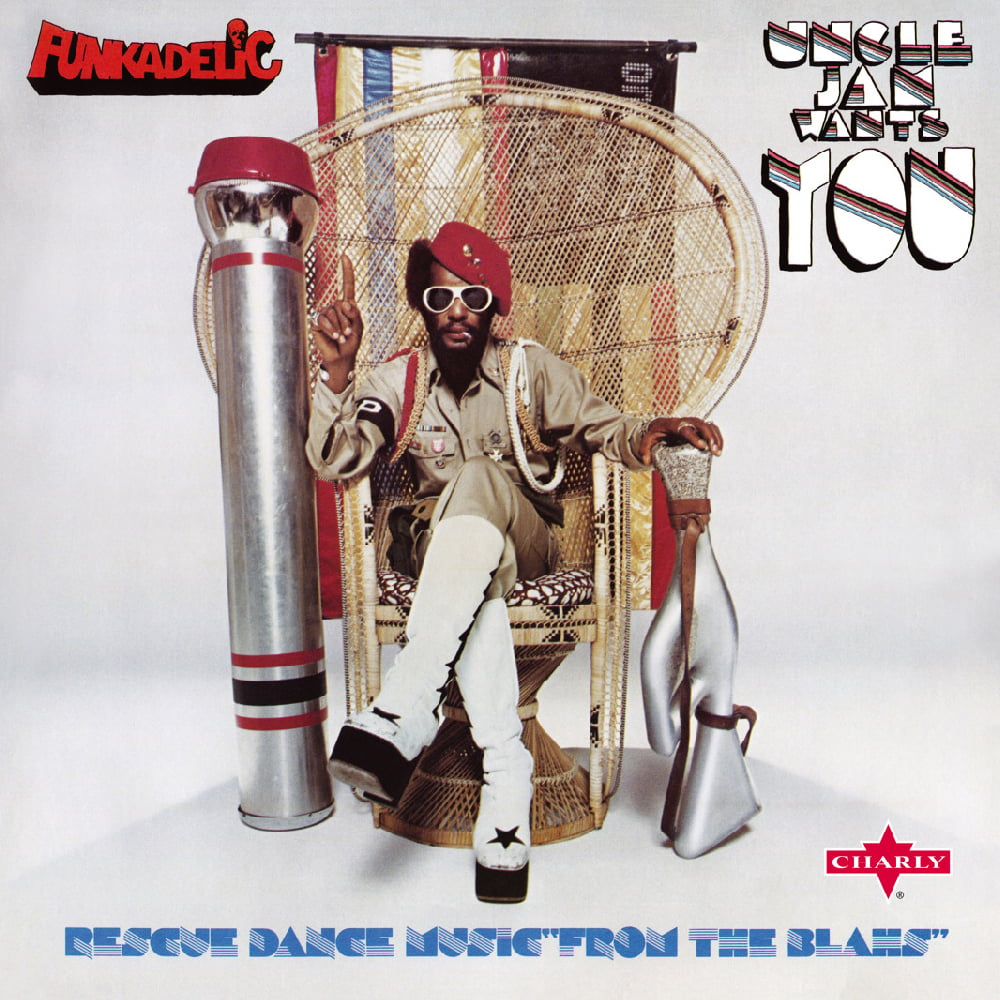
The P-Funk mothership enjoyed some serious mileage by the time of Funkadelic’s Uncle Jam Wants You. An interstellar ensemble bridging funk, rock, and soul amid its cosmic slop, psychonaut captain George Clinton, along with the adjacent Parliament, repackaged the US Black experience as a sci-fi, Afrofuturist comic book laced with buckets of LSD and psychedelic visions, aiming for the dancefloor as much as head feeding epiphany.
Yet, P-Funk’s kaleidoscopic grooves reached the peaks of their laser-glam plume on the 15-minute opus ‘(Not Just) Knee Deep’. A gloriously teeming, wriggling, fizzing mass of squelchy synths, strutting drum chops, and backing vocals that sound off like alien wildlife on whatever strange planet the mothership has landed on, Uncle Jam Wants You’s colossal centrepiece serves as a thrilling bookend to their turbulent decade.
Destined for eternal pilfering from the emerging hip-hop underground, Dr Dre and the G-Funk boom of the 1990s was only just keeping up with the sonic alchemy first conjured on ‘(Not Just) Knee Deep’ over ten years earlier.
