


Five songs from the mid-2010s indie era that are actually getting better with age

Anything around 15 years old usually struggles to find its place in the world. Including 15-year-olds.
For music, it’s generally a timeframe where songs linger in the no-man’s land of not being new and novel, but not being old enough to have acquired the rose-tint of nostalgia. Yet, there are still some indie tunes that are gathering a head of steam despite their awkward age.
The years 2012 to 2015 saw the uptick of streaming come to the fore, ‘Gangnam Style’, 50 Shades of Grey, Vine, Breaking Bad, NSA leaks, and Airbnb. It saw Skins move towards webisodes, Tinder rise, and the blog era die. There was a proliferation of weedy SNL comedians discovering The Kinks and championing them as Britain’s best band ever.
It also saw people not from Brooklyn, or even that aware of what exactly Brooklyn was, talk about Brooklyn an awful lot. It saw those same people have a shot of Wray & Nephew in a Wetherspoons and then sick it back up seconds later.
But aside from those arbitrary observations, that three-year span now stands out as a meaningful moment in recent history. Trapped between the unfurling realities of the 2008 economic crash and the halcyon days of yore, and sandwiched between the rise of the internet and the reconciliation of what the streamlined, algorithmic age actually meant, this fleeting moment in time was marked by rapid transition.
Within that dawning epoch, indie sleaze began to fracture. The result is that you look back at some songs and wince at their waywardness. Yet, there are others that seem to have defied the trappings of a transitional period and already feel timeless. These are the songs we’re focusing on below.
Five songs from 2012-2015 that keep getting better:
‘Archie, Marry Me’ – Alvvays (2013)
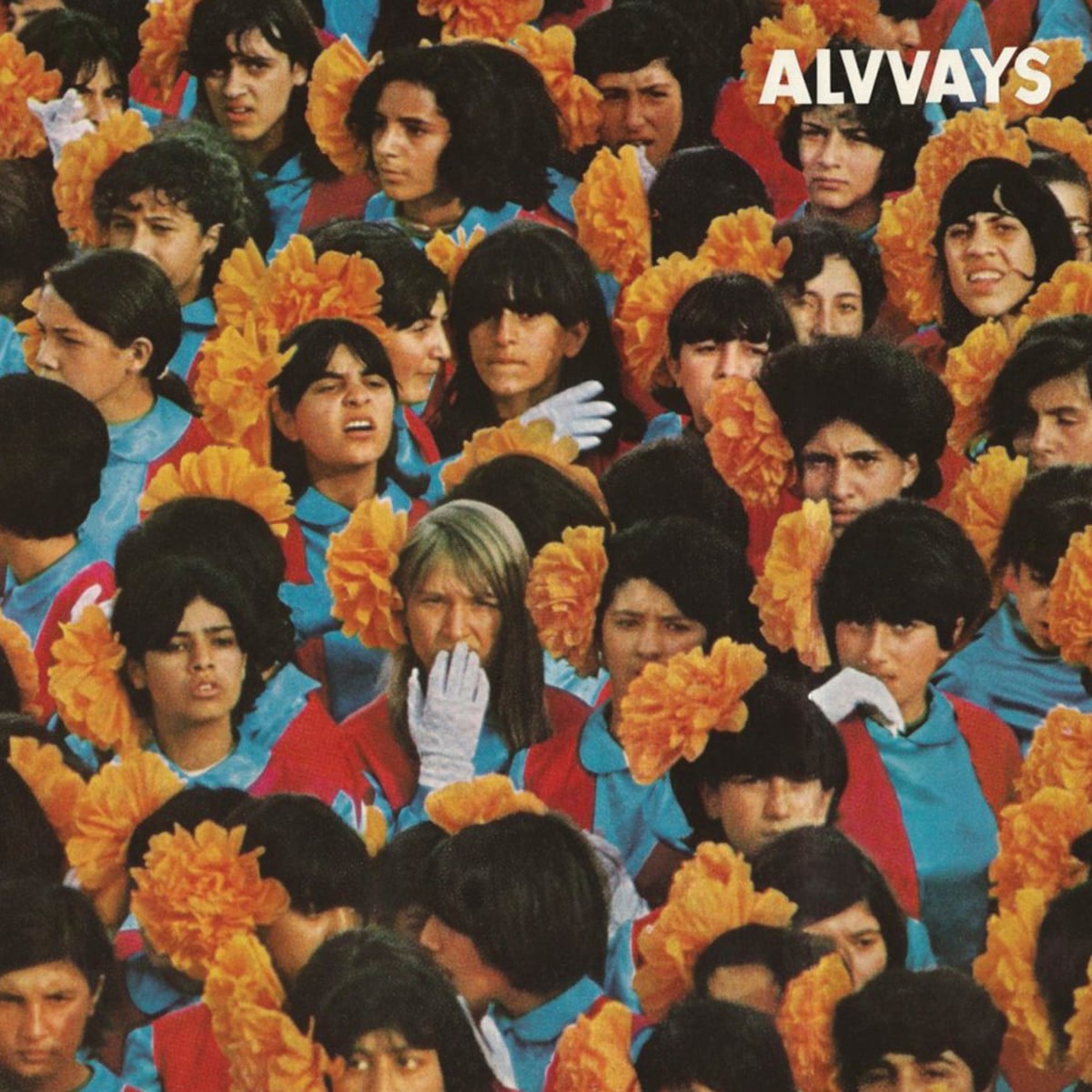
A song so good it paradoxically precluded Alvvays getting the share of the spotlight they deserved because this looming masterpiece shaded the rest of their decidedly overlooked back catalogue. ‘Archie, Marry Me’ arrived with an air of timelessness from the off, and it has continued in the same direction.
Taking cues from the likes of Ric Ocasek, the track brought a wistful ‘80s air to the indie boom. They brought sincerity to the era, too, happily discussing matrimony matters at a time when wedding bells were out of fashion and toxic relationships were the talk of the town. But above all, it’s self-evident from how often that this song has been stuck in my head in the years since its release in the spring of 2013 that it’s an absolute earworm to boot.
Quite frankly, it’s one of the better debut singles that any band has ever released.
‘Do You’ – Spoon (2014)

If the millennial indie era that preceded the post-punk movement was typified by anything, then it was surely melodicism. It might not have seemed that way at the time, but everything was so pretty, at least from a musical perspective. ‘Do You’ exemplifies that. It’s a simple and repetitive rhythm and acapella driven track, but the production is so florid that it embellishes the song with real forward-moving depth.
The song places you on a sepia-toned New York street in the midst of an unseasonably sweltering October day. Thereafter, the lyrics may well mean wildly different things to Britt Daniel, but you can venture the avenues on your own upbeat, sunny adventure, and drift into the mood of the music instead. That’s the benefit of simplicity done well.
If Spoon passed you by the first time arround then ‘I Summon You’ to dip back into their back catalogue.
‘Cloudy Shoes’ – Damien Jurado (2012)
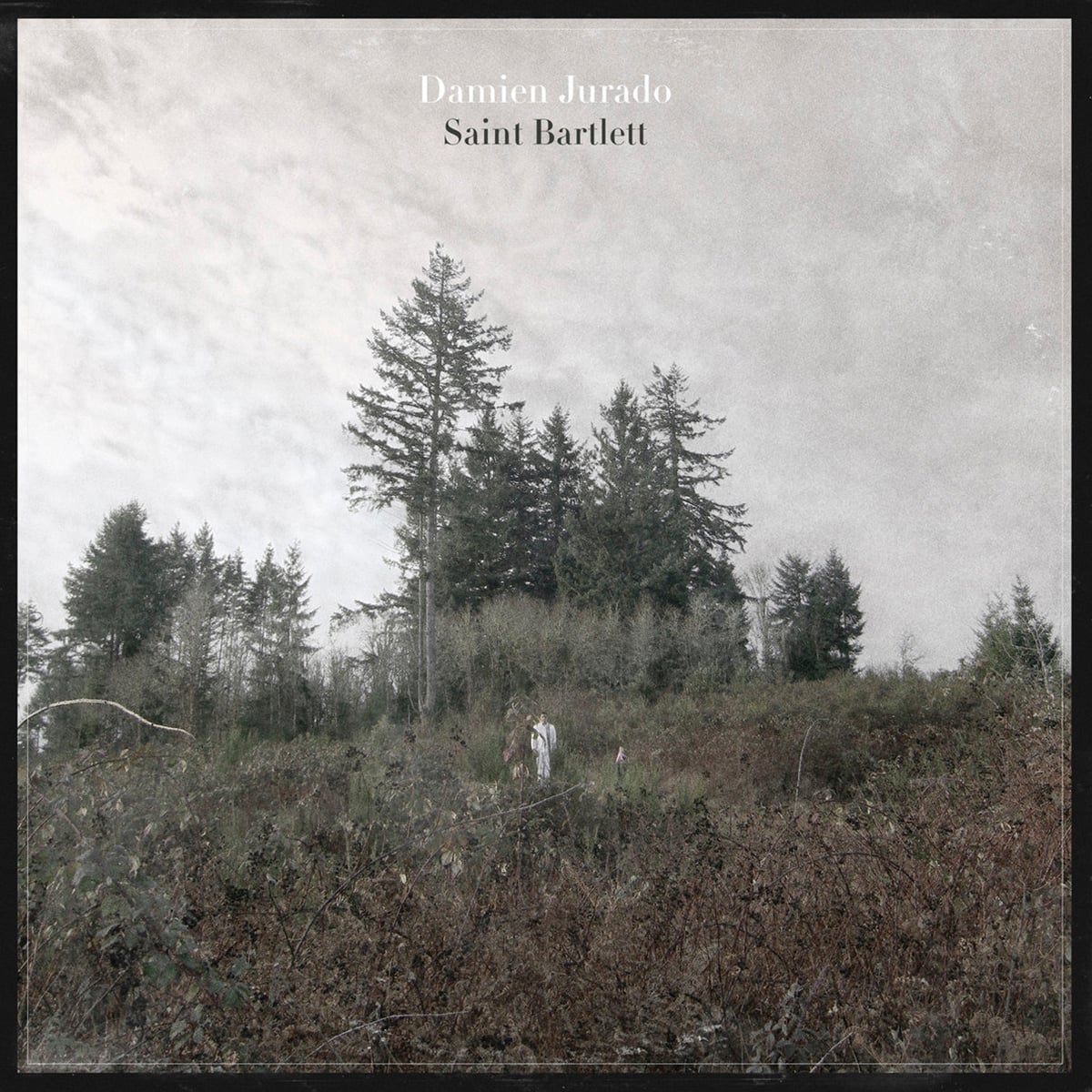
Sincerity had been out of fashion for a long while, and irony ruled the roost. The idea of raising a clenched fist to the heavens and singing your heart out seemed vaguely icky or tied to a bygone time of heroes. Then a few folk songwriters like Damien Jurado pushed back with hushed yet no less impactful profundity.
‘Cloudy Shoes’ unabashedly adds grandeur to the rigours of self-improvement. Though the production might have an understated distance, drenched in the soft edges of echo, you can’t escape the soaring stings and the euphoria they conjure. Proudly, Jurado’s lyrics are pushed to the front of the piece, too. They don’t hide behind mumbling or obfuscation. With his vocals happily overlaid, the words drive the anthem home with wholesome aspiration.
While many modern artists still might shirk sincerity, as is their wont, ‘Cloudy Shoes’ remains the twinkling North Star.
‘Hot Dreams’ – Timber Timbre (2014)

There’s a hauntological aura to Timber Timbre’s 2014 album Hot Dreams. Not only does the record carry the echoes of genres from bygone eras, but there’s also a nostalgic reverie to the pensive production. It is crisp and clear, but somehow you could also picture a song like ‘Hot Dreams’ coming out of an AM radio in 1973 or even 1958, for that matter.
From its intentionally jarring opening line right through the chorus-less structuring, there’s an intellectual edge to ‘Hot Dreams’ that has only gained greater depth in the years since its release. With each passing annum, its languid shrugging of trends and truly timeless constitution have made it feel more and more like a smoky musical ghost.
It swells and sways with the classy, implacable drama of an Edward Hopper painting, and that will ensure it is still a curiosity for years to come.
‘Depreston’ – Courtney Barnett (2015)
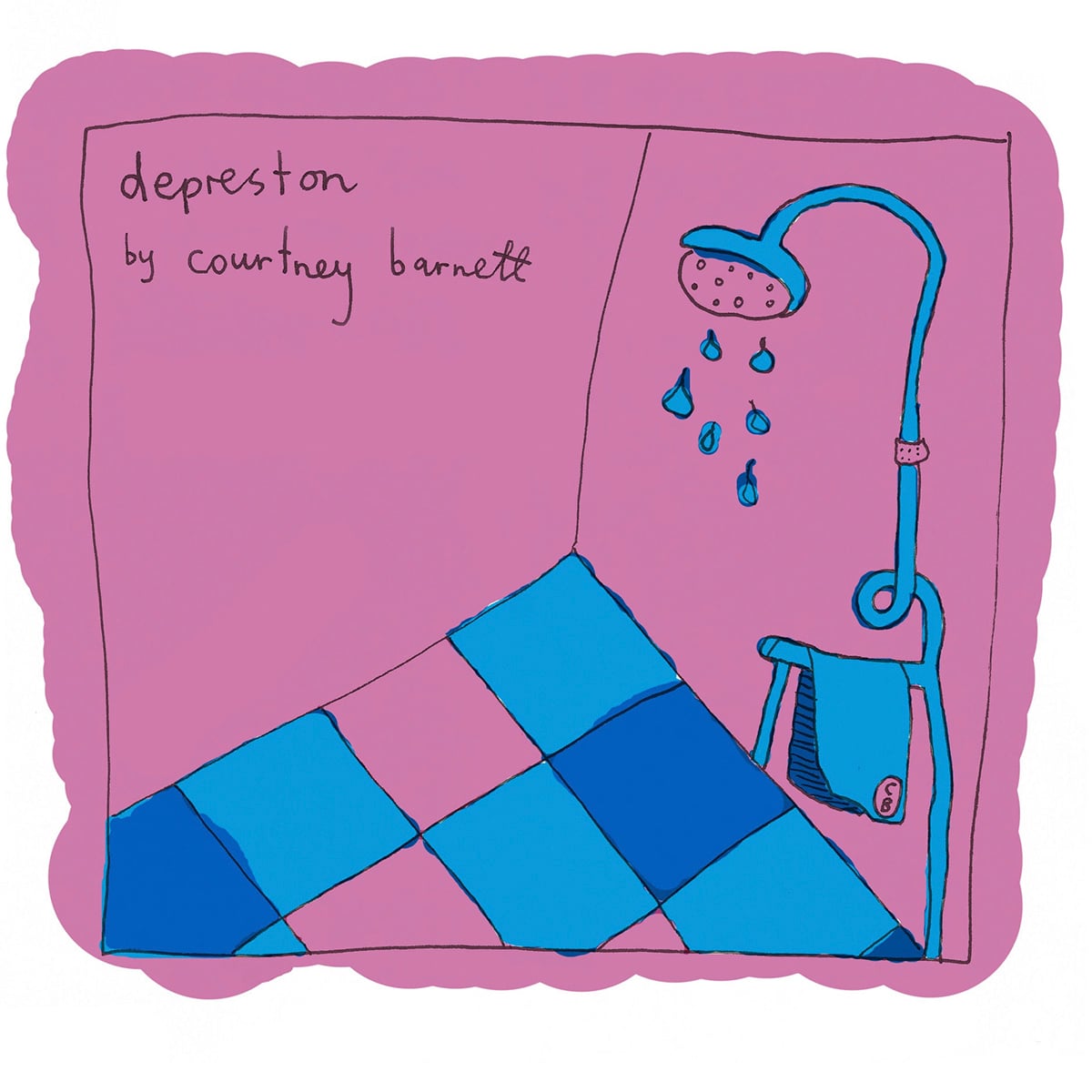
In the 2020’s, heavy-handed allegories have dominated a few different art forms, as is proven by just about every A24 movie released in the last five years. And this arc has meant that the humble realism of the Courtney Barnett classic ‘Depreston’ has only gotten more vital. Sadly, the continued collapse of the housing market has kept the lyrics sorely relevant, too.
If you’re working-class and don’t have a “spare half a million”, then the process of pouring your life’s savings (and, therefore, life’s work) into a worsening damp patch can be confounding. Barnett’s anthem makes no attempt to avoid that woe. Its languid low C bass notes make the malaise unmistakable, but the wry observations brighten things up with the light touch of poetry.
The charms of this debut will always remain in bloom, especially if the rich keep snapping up all the housing resources the world has to offer.
