


Five songs from 1991 that were years ahead of their time

The 1990s were a strange time. How would I know? Well, I lived through it. Some of it. Do I remember much of it? Aside from Postman Pat and the Spice Girls, not really. But trust me, they were strange times. Honestly…
I’m told they were especially unusual in the early part of the decade, the bit I have no lived experience of, but having become somewhat obsessed with a considerable amount of the music from the period thanks to parents who thought raising their son on Rage Against the Machine would be a good idea (it was, thanks mum and dad).
Genres were becoming something of a blur, with styles all being melted together into a cauldron of sounds, and while there were still factions of people who were adamant that electronic music was the future and guitars were dying out, others remained steadfast in their assertion that continuing to dial up their instruments to 11 was the only way forward.
Grunge became a global phenomenon at the same time that electronic music was becoming more prevalent, and the wishy-washy label of Britpop would emerge a handful of years later as a further viable alternative for those who didn’t want their music heavy or quite so processed.
That being said, this reshaping of genres allowed for plenty of great new innovations in music to come into view, and only two years into the decade, we were gifted with perhaps the most forward-thinking year in terms of adventurousness.
1991 may have given us Nevermind, Loveless and The Low End Theory, but all of these records were examples of how an existing template was used and taken to another level of quality by visionary artists. The visionaries we’re looking at below are those who weren’t just playing with the sounds of the time, but paving the way for the future. Here’s five songs from 1991 that sounded years ahead of the curve then, and that still continue to have a significant influence on modern music to this day.
Five songs from 1991 that were years ahead of their time:
The Prodigy – ‘Charly’
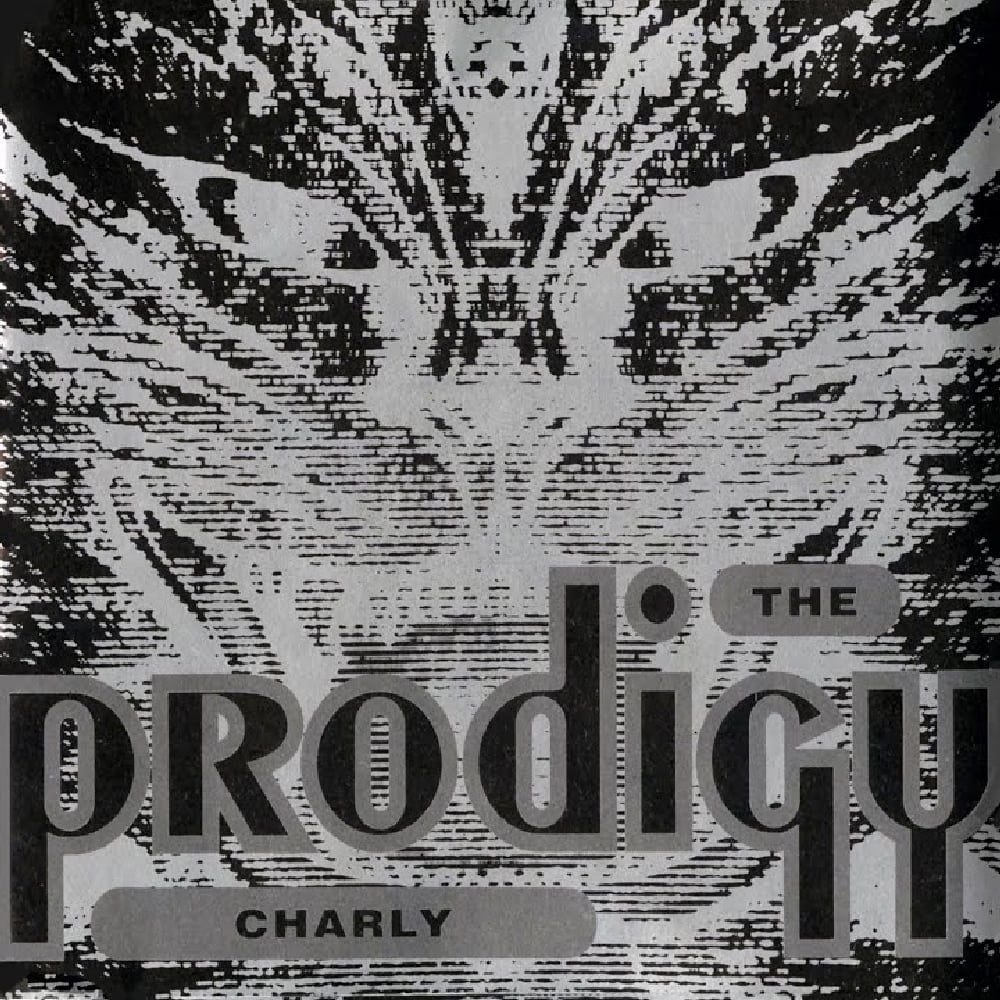
Formed by producer Liam Howlett alongside friends Keith ‘Maxim’ Palmer, Leeroy Thornhill and Keith Flint, The Prodigy represented the darker and edgier underbelly of emerging dance culture. While other acts were focused on creating music with a chilled-out feel, the Essex group were clearly intent on stirring things up from the moment they released their debut single ‘Charly’. An early example of rave music, the aggressive breakbeats and synth samples were considered the perfect accompaniment to partying into the early hours, and its punkish attitude is what ultimately made the group stand out for the time.
With its sample of a children’s PSA from the 1970s that warns of stranger danger through a wailing cat, its use in a decidedly kid-unfriendly context is deranged yet inspired, and while it’s far from the greatest thing the band produced in their early years, it became the catalyst for an entire movement, and rapidly so. Everyone else wanted to suddenly make electronic music with the same kind of edge as The Prodigy, and everyone wanted to showcase a rebellious streak by staying out on an ecstasy bender until 5am. Nobody, however, did it quite like The Prodigy.
Slint – ‘Breadcrumb Trail’
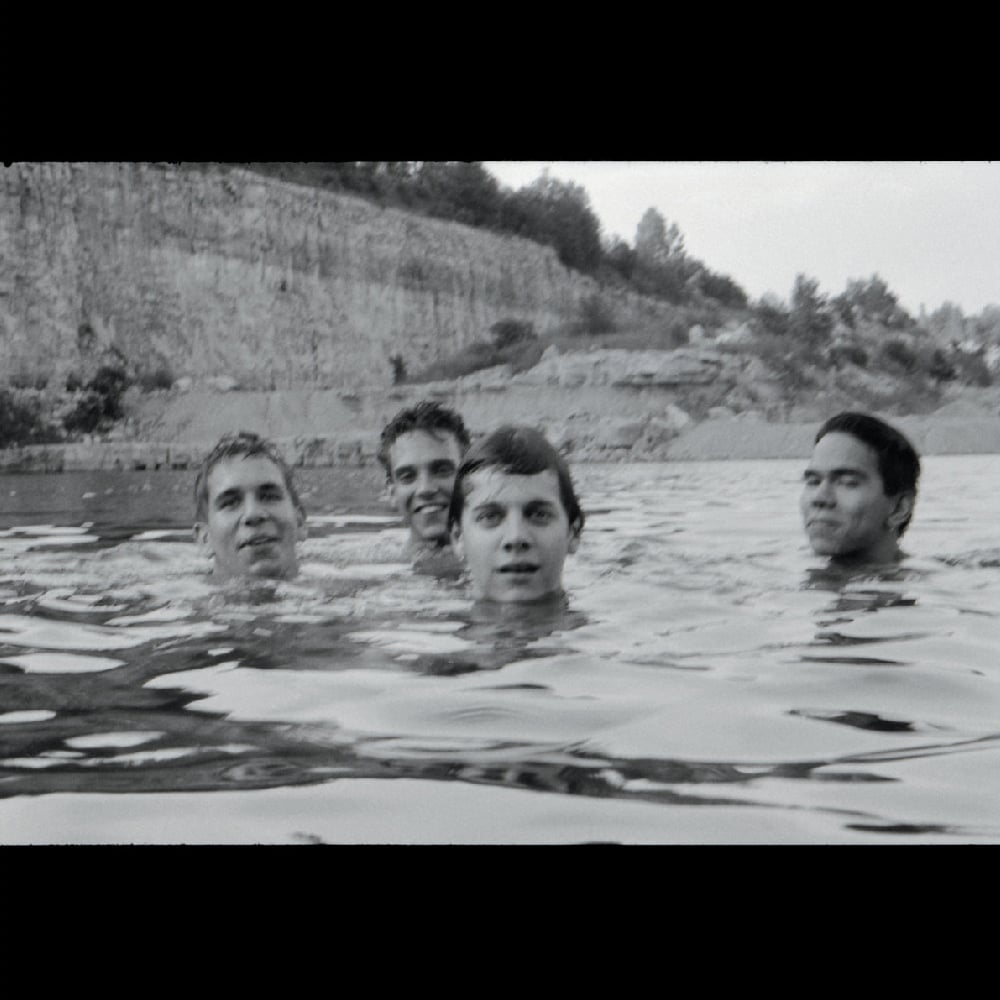
Around the end of the 2010s, a number of bands began adopting a post-rock sound with long and drawn-out passages of knotty riffs and dramatic dynamic shifts, and virtually all of them have Slint’s second and final album, Spiderland, to thank for that. Apocalyptic guitar riffs, earth-shatteringly taut drums and misanthropic spoken word poetry that feels formless – does this all feel familiar to you? You might have seen a bunch of teenagers at The Windmill try to do this five or six years ago, but a group of youngsters from Louisville, Kentucky, got there first.
Where Slint’s first album, the Steve Albini-produced Tweez, isn’t anywhere near as ambitious and simply plays around with a post-hardcore style that was being driven forward by acts like Fugazi and Rites of Spring in the late ‘80s, the six songs on Spiderland seemed to jump ahead of the pack significantly, with every band suddenly trying to chase the sound they’d clearly mastered a few years later. ‘Breadcrumb Trail’ is the opening cut from the album, and immediately draws you into the atmosphere of the record with its building tension and sudden releases of fury in a multi-part epic.
Massive Attack – ‘Unfinished Sympathy’
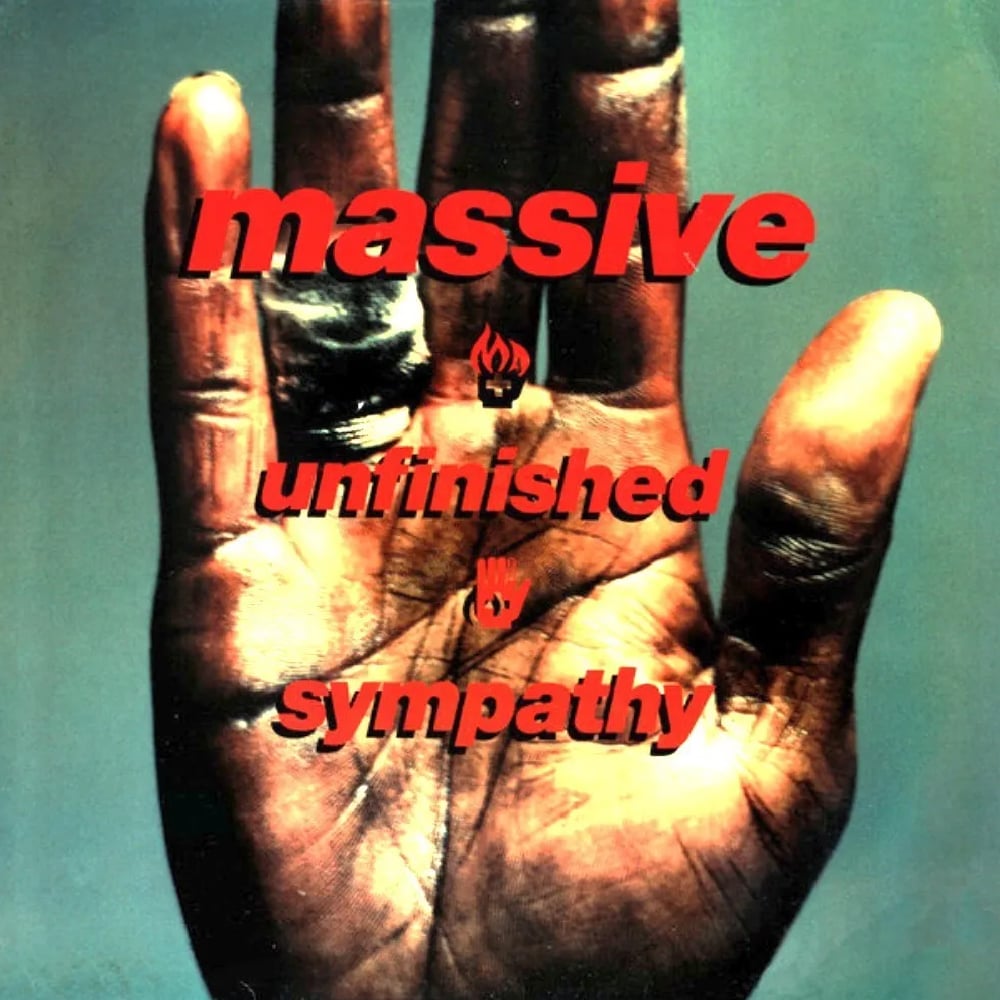
The ‘Bristol Sound’ had been in development for a few years by 1991, with the existence of acts like Rip Rig + Panic and The Wild Bunch, both of whom played on the prevalence of dub influences and soundsystem culture. However, when Robert Del Naja, Grant Marshall and Andrew Vowles chose to go their separate ways and form Massive Attack, many would argue that this is what helped to give way to the emergence of a new genre, which would go on to be known as trip-hop.
The trio, along with a host of collaborators such as Tricky, Shara Nelson and Neneh Cherry, put together their debut album, Blue Lines, over the course of eight months, and managed to create an underground symphony of hip-hop, soul, dub and breakbeats. This would go on to become the template for many other like-minded acts in the region who followed, but single ‘Unfinished Sympathy’ is the song that propelled their nascent sound into the cultural mainstream, giving trip-hop a worldwide audience despite having been born from a very specific neighbourhood in the South West of the UK.
Primal Scream – ‘Higher Than The Sun’
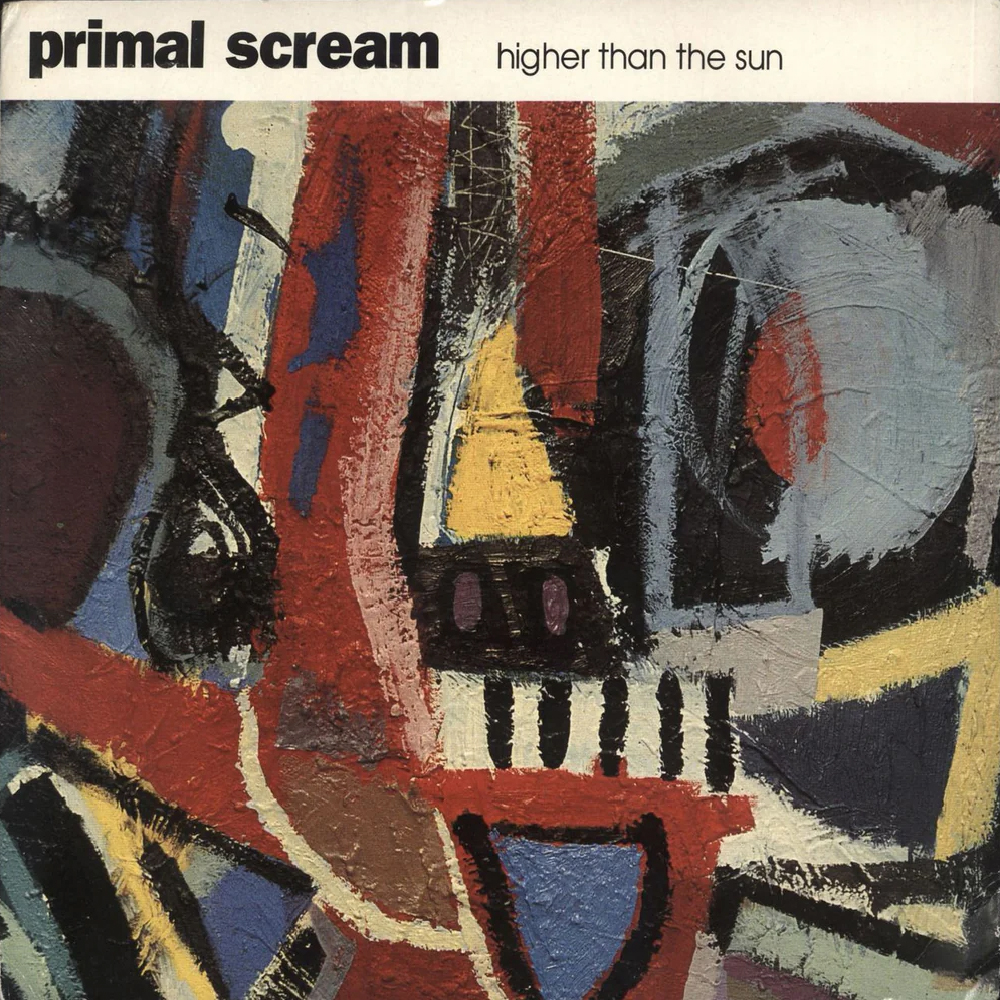
Perhaps it’s cheating to include a song with two different versions released on the same album, but whether you’re on about the original or the extended ‘A Dub Symphony in Two Parts’ remix, you’re going to get a full-bodied punch of early ‘90s electronic innovation. Primal Scream’s third album, Screamadelica, was a gigantic step forward in their sonic exploration from their earliest releases, and while a handful of the album’s songs don’t necessarily push boundaries as much, this pair really take the record in novel directions.
With the short version of the song having been produced by ambient dub newcomers The Orb, who had had success with the equally groundbreaking ‘Little Fluffy Clouds’ the year before, they were set to create something that was bound to turn heads and sound progressive for its time. However, the lengthier version, which features a guest appearance from legendary bassist Jah Wobble as well as iconic producer Andrew Weatherall, takes the song, well, higher, and it delivers a sense of euphoria that few other songs could capture at this moment in time.
The Future Sound of London – ‘Papua New Guinea’
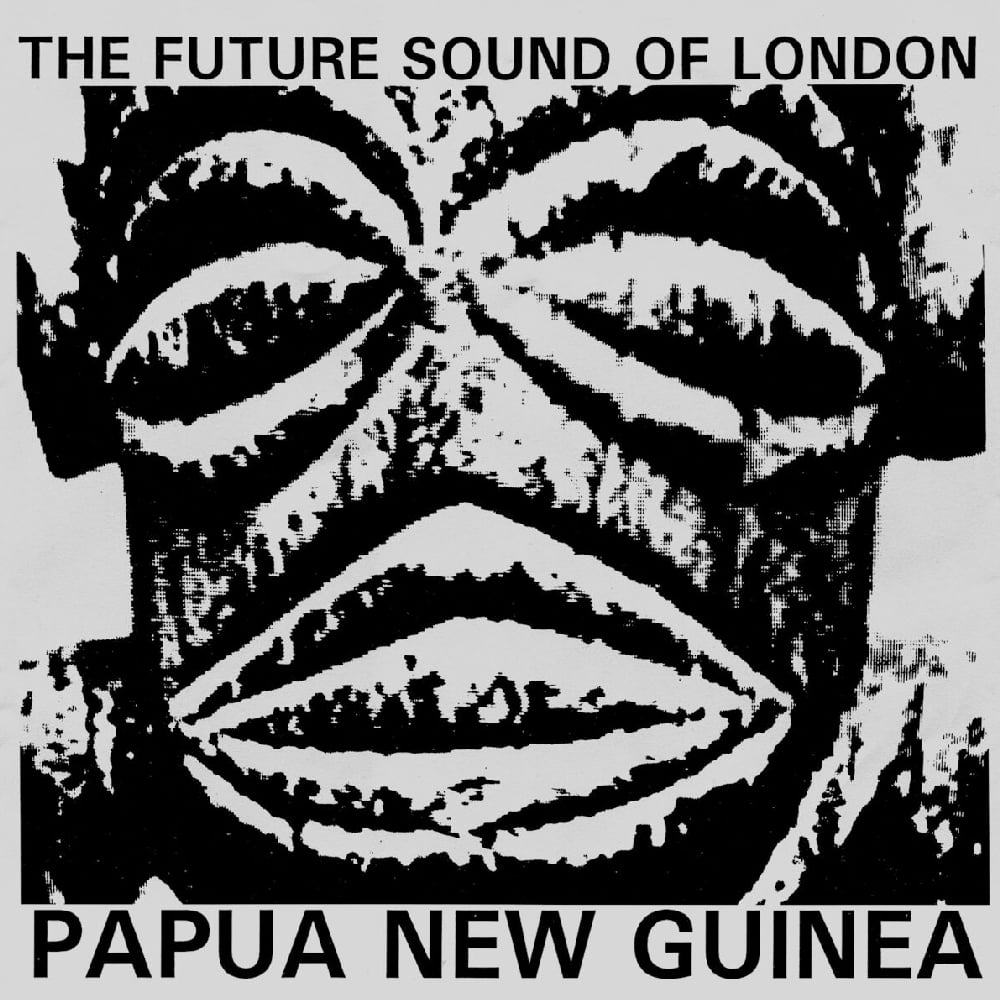
The band name says it all – The Future Sound of London really weren’t joking about having developed a sound that would end up soundtracking the UK capital for several years. On their debut single, ‘Papua New Guinea’, the ironically-named Manchester duo of Garry Cobain and Brian Dougans combine elements of ambient, house, techno and breakbeats in a totally mindbending fashion, and not only does it manage to sound just a handful of years ahead of the curve, but perhaps almost a couple of decades.
If you take one listen to this song, and then follow it up with anything from Burial’s 2008 album, Untrue, you’ll realise that all of it harks back to what The Future Sound of London predicted 17 years prior, with its atmosphere and use of samples feeling so far ahead of its time. While the duo aren’t often given the credit they deserve for having paved the way for 2-step and garage after them, as well as being early pioneers in a wealth of different emerging electronic genres at the time, it’s fair to say that if you reflect on their work now, it has barely aged a day.
