


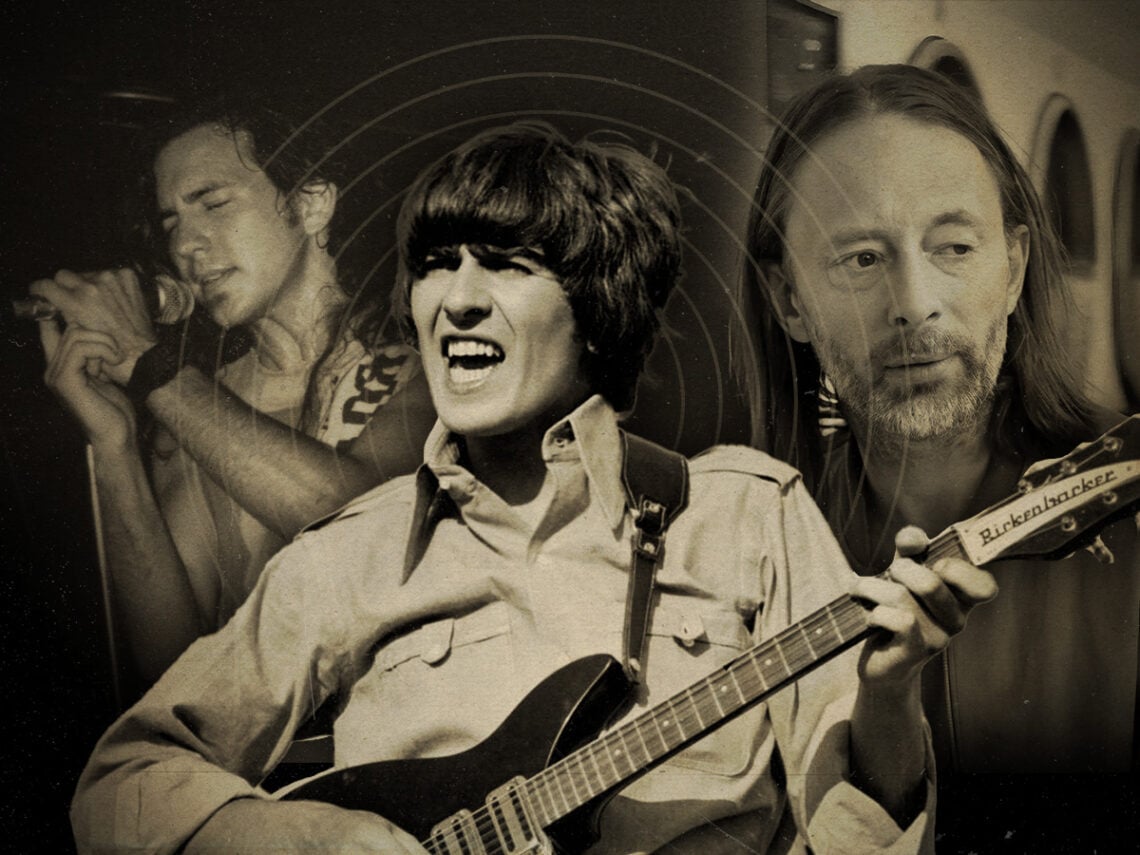
Five rock stars who loved the spotlight but hated the limelight

Rick Rubin once said that in order to be a true artist, an individual needs to focus on the journey rather than the destination.
“Living life as an artist is a practice. You are either engaging in the practice, or you’re not,” said the beard-sporting musical confidant, “It makes no sense to say you’re not good at it. It’s like saying, ‘I’m not good at being a monk’. You are either living as a monk, or you’re not. We tend to think of the artist’s work as the output. The real work of the artist is a way of being in the world.”
While these words may seem rather noble, and a lot of artists could do with keeping them close to their hearts, there is no doubt that a lot of people get into the creative industry because they want to see their name up in lights. Nothing appeals to them more than being the artist that other people are talking about, as they dream of living life as the centre of attention and dominating both the spotlight and the limelight. Then you have musicians who are the exact opposite, who want to perform and become well known for as much, but who resent the idea of people recognising them in the street.
This is an article dedicated to the latter, those who have fame come as a byproduct of success, not those who make art as a byproduct of fame. This is a hard tightrope to walk, which many excellent minds have sadly fallen from.
Five rock stars who loved making music but detested fame:
Eddie Vedder

It was pretty clear to everyone who heard Eddie Vedder’s vocals that he was a star in the making. His fellow Pearl Jam members had already worked in Mother Love Bone and Temple of the Dog with some exceptional musicians, but there was something about Vedder which they adored and immediately recognised as next level.
When they were working on Ten, it was clear the album was going to do numbers, but Vedder was against their debut being a hit. He wanted fame to come naturally rather than overnight, and when Ten did become a global sensation, he in turn became somewhat reserved in the limelight.
“I would love for everybody to listen to what we write, but I want it be a slow process,” said Vedder, “I think it would be counter-productive for Ten to be a huge seller […] In order for people to get the most out of Pearl Jam, it has to be a slow growth. It does worry me that we will be a big success, and that our songs will be taken out of context. We are not user-friendly.”
George Harrison

There is no denying how much of an impact The Beatles had when they first crossed the pond and began playing music in the United States.
Beatlemania was a joy for many, but overwhelming for others, and one of those band members who thought that the whole movement was a bit too much was George Harrison. He was labelled as the “quiet one” purely because of how much of an aversion to fame he had.
Even once the Beatles split up and he was able to pursue a solo career and work in The Traveling Wilbury’s, you never saw Harrison making headlines unless it was for his music. There was no doubt that he loved being a songwriter and a performer, but the other aspects that came with fame didn’t remotely interest him.
Neil Peart

Rush are arguably the greatest prog rock band of all time, and that’s reflected in the massive fan base that they’ve managed to gain over the years.
While they’re no doubt proud of the stature they have in the world of prog, the rise to fame was something that they all struggled with. Neil Peart, in particular, had a hard time and wrote the song ‘Limelight’ as a reflection of this new attitude towards all of the eyes that were now on him and his bandmates.
“[Neil] was having a very difficult time dealing with [fame],” said Geddy Lee, “I mean, we all were, but I think he was having the most difficulty of the three of us adjusting; in the sense that I think he’s more sensitive to more things than Alex [Lifeson] and I are”.
Ronald Frederick Lane
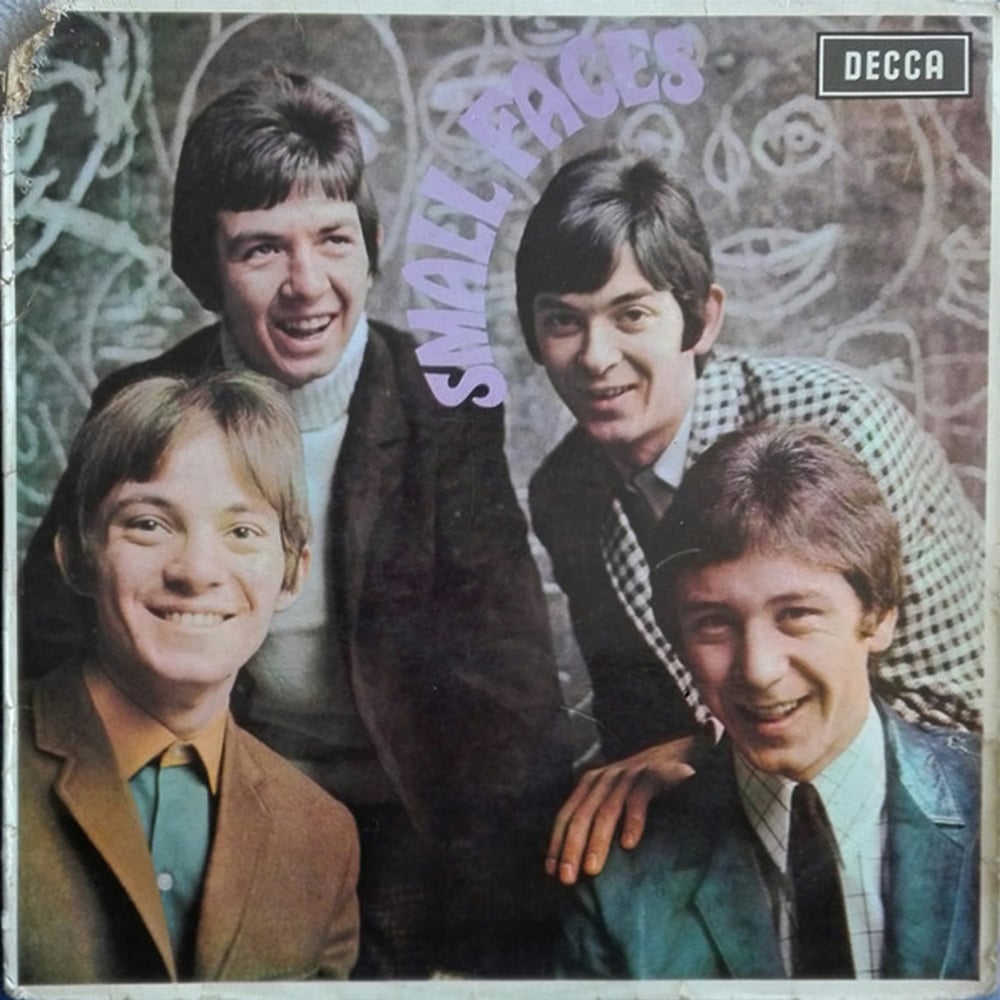
Ronald Fredrick Lane was one of the quintessential components that made The Faces and The Small Faces so good; however, he couldn’t stand the idea of fame.
Not only did he have no interest in being a household name, but he also thought those who did prioritise getting their name in lights lost creative integrity in such a pursuit. He eventually wound up leaving the industry behind him and moving to a farm with his family and friends, making music in the blissfulness of solitude.
“As far as I’m concerned, if half of them had never been stars, they would have done something better; it’s totally stardom that’s fucked them up,” he said, “Or this illusion of stardom; it’s not even real. Alright, let the little girls’ magazines say it’s glamorous and all that, but Christ, we’re grown men, aren’t we? We should know better. But no. All the ‘stars’ think it’s glamorous too…”
Radiohead
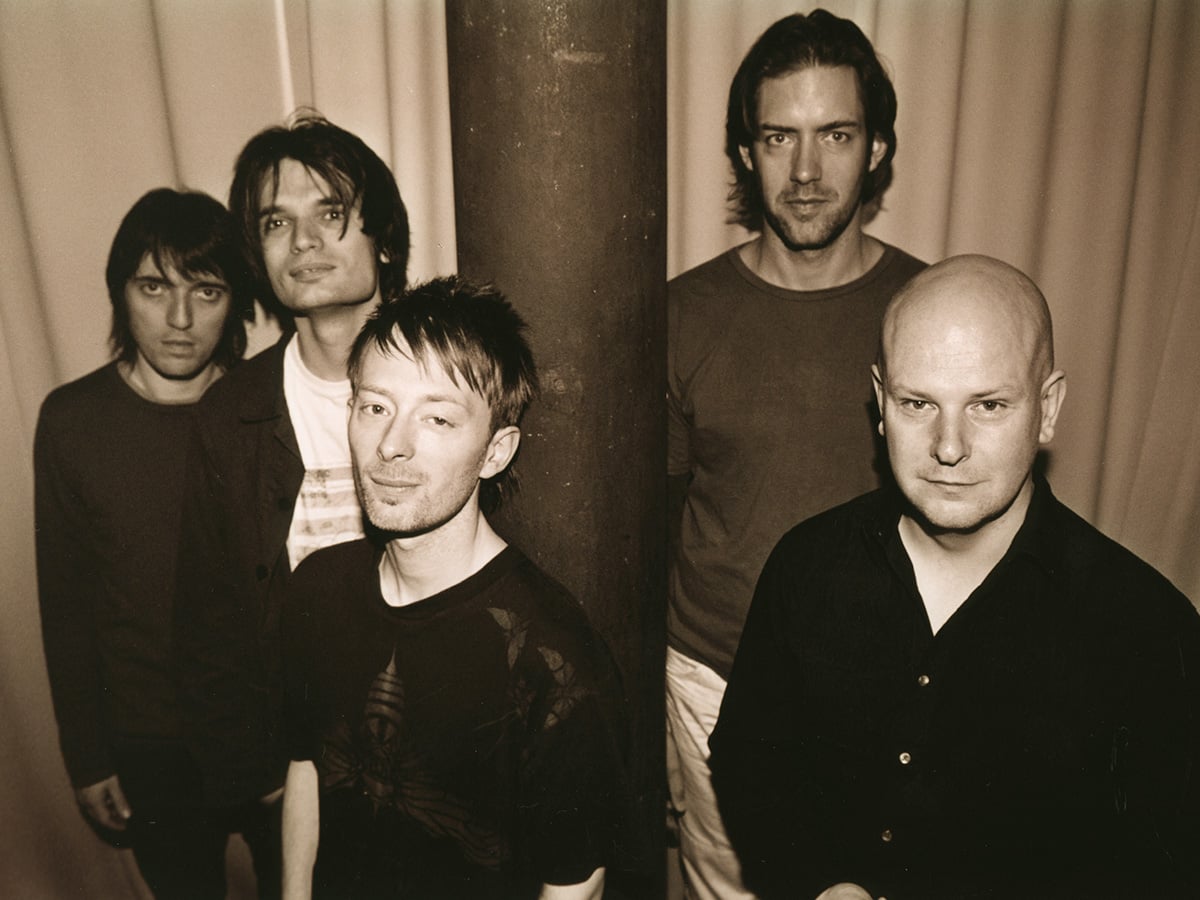
There’s no denying the fact that Radiohead are considered one of the most inventive and exciting bands on the planet; however, there’s also no denying how much they hated their own fame the minute ‘Creep’ became a hit.
Sure, it was great that people were coming to the gigs, but they resented the fact that people were only coming for that one song. Suddenly, it felt like life was just a repetitive cycle, and if these few minutes are what fame felt like, the band wanted no part in it.
“We seemed to be living out the same four and a half minutes of our lives over and over again. It was incredibly stultifying,” said Johnny Greenwood when discussing the controversy surrounding the song. When a fan called out for it at a gig, Thom Yorke went as far as to say, “Fuck off, we’re tired of it.”

Never Miss A Beat
The Far Out Beatles Newsletter
All the latest stories about The Beatles from the independent voice of culture.
Straight to your inbox.