


Five number ones from the 1990s that have already been forgotten

Just like every other decade, the 1990s chart behemoths trigger intrigue to the forgotten smashes with equal fascination as the lauded gems of the era.
The UK number one lost to time is made up of all kinds of things. Sometimes they’re just bad and haven’t stood the test of time; others are overshadowed by an artist’s surrounding landmark releases that have formed a canonical presence in their songbook. Often, it’s just deeply culturally specific, a pop time capsule impossible to understand without at least witnessing from afar amid the national moment’s motions.
Most music is average and destined for the bargain bin ether. Such a fact is made starkly apparent when watching any of BBC Four’s reruns of Top of the Pops in their entirety. Whatever the year, you’ll be treated to one or two blasts of brilliance, a healthy serving of utter dross that lives on in memorable infamy, but overwhelmingly some two-bit indie act or mushy dance troupe completely lost to time, forcing you to go “who!?” when a bored John Peel or Anthea Turner doing her best announce their coveted five minutes of fame.
Whatever the reason, we take a look at the 1990s’ UK number ones and pick out the numbers you completely forgot sold by the bucketload.
Five number ones from the 1990s that have been forgotten:
Queen – ‘Innuendo’
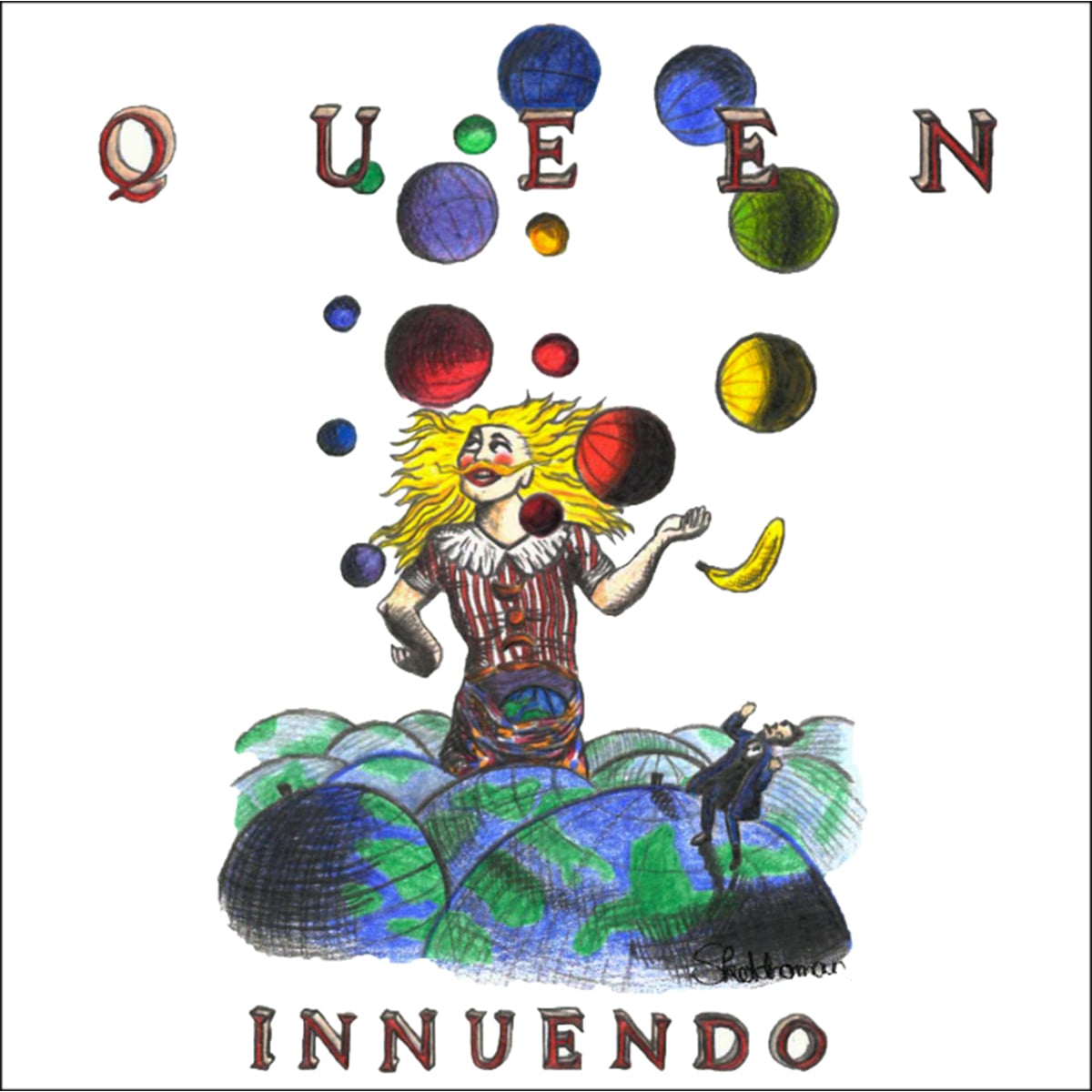
Release Date: January 1991 | Producer: Queen and David Richards | Label: Parlophone
By the 1990s, Queen stood as classic rock’s ultimate survivors. Dextrously jumping across pop’s evolving trends, the quartet has hurtled across baroque bluster, terrace chant stompers, disco camp, and through to synth-soaked anthemic stir to keep their songbook current and alive. As the 1980s closed, Queen had survived punk’s insurrectionary attack and the music press’ slings and arrows as a chart devouring monster and the UK’s venerable national treasure.
Yet, it’s often forgotten that the hits Queen were able to still muster so late into their original reign. Dropped amid the press speculation as to frontman Freddie Mercury’s failing health, the powerhouse singer managed to conjure the commanding vocals to 1991’s ‘Innuendo’, a colossal slice of lavish, rock theatre harkening back to the blustering days of their mid-1970s pomp and enjoying the single’s top spot for a week.
While its Innuendo album would score another chart topper with ‘These Are the Days of Our Lives’ propped up by the re-release of ‘Bohemian Rhapsody’ as its double A-side, ‘Innuendo’ would stand as the last Queen UK number one in Mercury’s lifetime to stand on its own two legs, dying of HIV/AIDS complications before the end of the year.
U2 – ‘Discothèque’
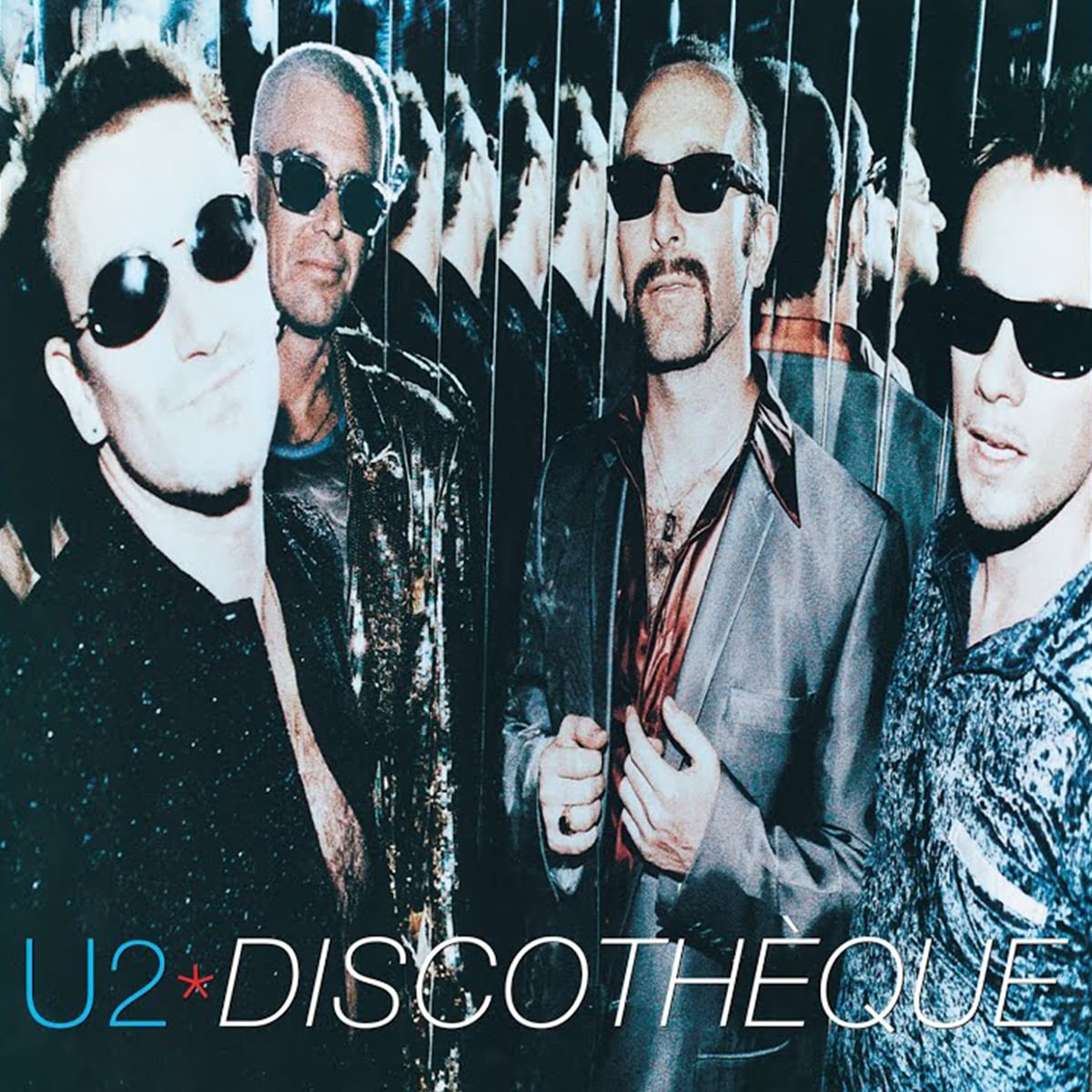
Release Date: February 1997 | Producer: Flood | Label: Island
At the start of the decade, it appeared U2 could have their cake and eat it, devouring every crumb and licking the plate clean to boot. Eager to jump into the shock of the new after Rattle and Hum’s stuffy Americana act, the Irish stadium rockers swapped earnest Mojave desert wanders for dance music, flamboyant dress, and a sorely-needed dollop of sarcastic humour for their new decade, ‘new me’ 1990s Zoo TV reinvention.
It worked, 1991’s Achtung Baby and the turning media-spectacle selling shedloads and assuring U2’s place among the rock Grade-A. Enjoying their dwell in irony, U2 further immersed themselves in the world of electronica, playing with drum loops and techno synths for 1997’s Pop and upping the subversive, sensory-overload ante with the accompanying mega PopMart Tour.
Often skipped by hardcore fans in favour of the infinitely more radio-friendly All That You Can’t Leave Behind three years later, Pop arguably spelt the last time U2 took a major creative gamble, delivering an imperfect yet intriguing record packed with almost psychedelic translations of the 1990s’ dance underground. Leading their neon alt-rock was ‘Discothèque’, a one-week number one you’ll rarely hear U2 play live, but emblematic of the irreverence they were chasing before ‘Beautiful Day’ pulled them back in the centre of mainstream playlists for eternity.
The Chemical Brothers – ‘Setting Sun’
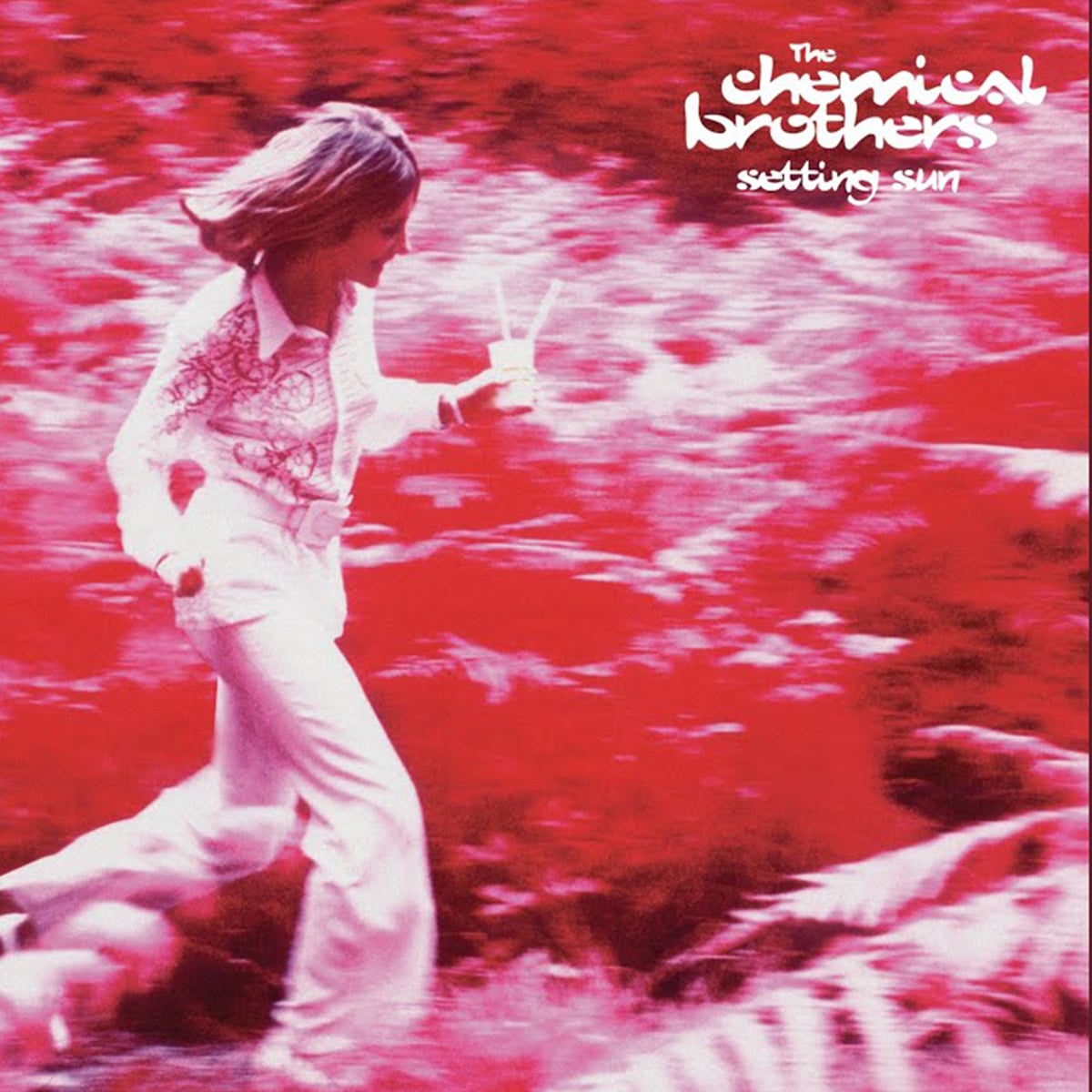
Release Date: September 1996 | Producer: The Chemical Brothers | Label: Freestyle Dust/Virgin
Riding high on the big beat wave pushing electronic dance music to the top of the charts as well as into the affections of the indie crowd yet to be struck by electronica’s hook, The Chemical Brothers mined the 1960s’ rich brew of acid-fried psychedelia to rustle up a transportive dance banger imbued with something piquantly organic amid their peers’ crate digging samplists.
Such a fresh sound caught the attention of Noel Gallagher. Reeling in The Beatles fanatic with a demo mix echoing ‘Tomorrow Never Knows’ lysergic spectacle, the Oasis captain lent his vocal command and lyrical pen to 1996’s gloriously upside-down sunshine smash ‘Setting Sun’, a perfect marriage of Gallagher’s veneration of rock’s halcyon yesteryear with the Brothers’ bristling electronic dynamism.
While not a ‘forgotten’ song as such, but Dig Your Own Hole’s lead single likely doesn’t immediately flash in people’s minds as The Chemical Brothers’ chart-topping favourites, perhaps opting for ‘Hey Boy Hey Girl’ or the other Gallagher-fronted ‘Let Forever Be’. But ‘Setting Sun’ indeed peaked at UK number one for a week and knocked off Deep Blue Something’s ‘Breakfast at Tiffany’s, which is always a good thing.
Vic Reeves and The Wonder Stuff – ‘Dizzy’
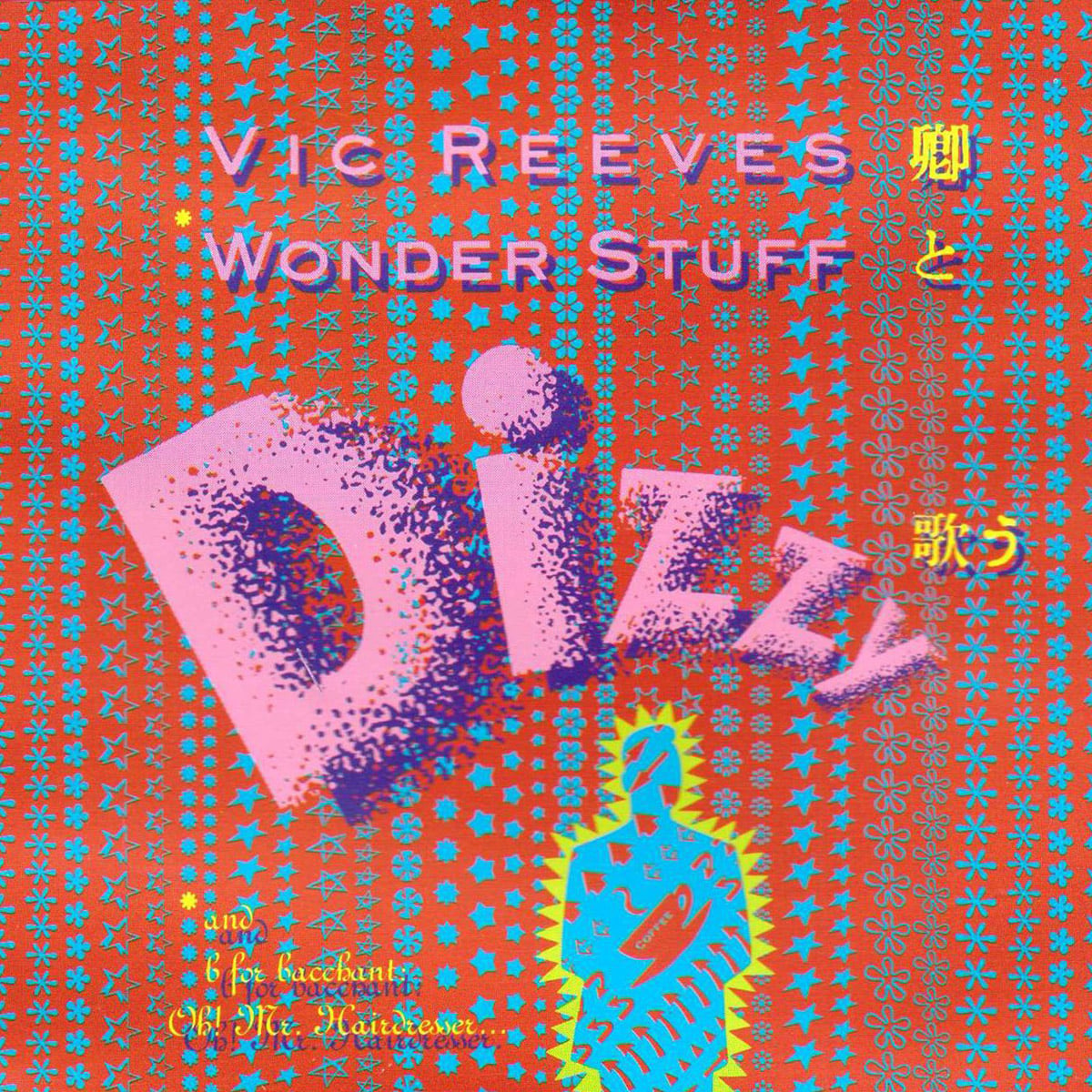
Release Date: October 1991 | Producer: Mick Glossop | Label: Sense
You had to be there. Amid the joyous plume of Vic Reeves’ comic surrealism in the early 1990s, the Leeds stand-up joined forces with folk/country/electronic/Black Country greebo hodgepodge The Wonder Stuff for a take on Tommy Roe’s bubblegum classic ‘Dizzy’ for Reeves’ only album, I Will Cure You.
Reeves enjoyed some musical pedigree long before Shooting Stars and even Vic Reeves Big Night Out. Prior to comedy fame, Reeves, back when he was plain old Jim Moir, cycled through several local bands and even sold DIY tapes in the back pages of NME. A bit later, he’d play bass for socialist industrial pummellers Test Dept, dipping his toe in the post-punk underground before chasing comedy in earnest.
Reeves would pull pop in his skewed direction in 1991, delivering an affectionate take on ‘Dizzy’ that perfectly scored the askance and wholly original injection of weirdness into the UK comedy scene, and topping the national singles chart for two respectable weeks.
Jimmy Nail – ‘Ain’t No Doubt’
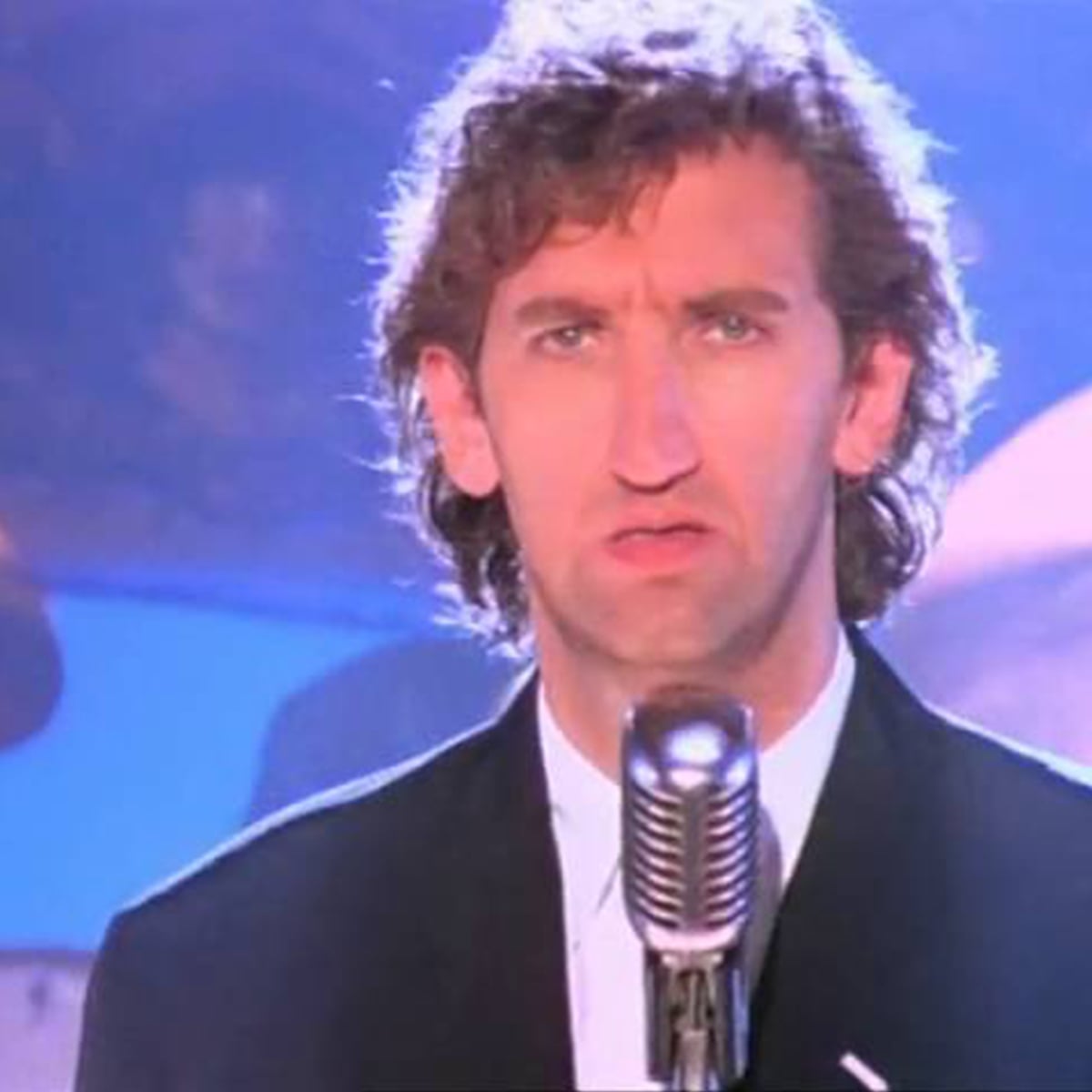
Release Date: June 1992 | Producer: Guy Pratt, Danny Schogger, and Jimmy Nail | Label: EastWest
There was a time when Newcastle actor Jimmy Nail was reportedly voted ‘sexiest man alive’ back in the madness of the early 1990s.
Whether it was off his starring turn in Auf Wiedersehen or police drama Spender, Nail thought to capitalise on his TV fame with a second stab at pop after 1986’s Take It or Leave It. Soaking up the adult-contemporary smooth R&B dominating the charts, and roping everybody from George Harrison and David Gilmour to join in the fun, 1992’s Growing Up in Public would win the Geordie celeb the Top of the Pops slots he was after.
It was the lead single ‘Ain’t No Doubt’ that cracked the charts for Nail. A suave, crooning pop number taking aim at a lover’s litany of lies, Nail’s defining hit spent three weeks at number one, a feat hard to imagine occurring anywhere else outside the British Isles. A peculiar relic of the era, Nail’s pop stardom would remain largely confined to the UK, save for his international presence as tango singer Agustín Magaldi in the Evita musical film.
