


Five movies John Wayne hated for being anti-American: “Threw acid on the American way of life”

John Wayne wasn’t just an icon of cinema; he was a looming presence for almost his entire career.
While other actors are happy to clock in, make their picture, and clock out, Wayne took it upon himself to become the ultimate defender of what he perceived to be America’s cinematic values. Rising to prominence in the 1940s and ’50s as national pride swelled to an almost uncontrollable size, Wayne operated as Hollywood’s self-appointed conservative superhero.
Onscreen, he was often cast as the moral-defending hero. Whether fighting in fictional wars or protecting pretend ranches and the sanctity of those within them, the vision of John Wayne on the silver screen was usually accompanied by a shallow breeze and a heap of deep admiration for their swashbuckling saviour. It was a character trait Wayne tried to incorporate into what he deemed a fight against anti-American values in the industry.
Formed in 1944, Wayne was part of the Motion Picture Alliance for the Preservation of American Ideals. It aimed to defend the American people from Communism infiltrating culture. Wayne said, more simply, that it was “just a group of motion-picture people on the right side, not leftists and not Commies. I was the president for a couple of years.” While he said the idea of a Hollywood blacklisting — the kind Dalton Trumbo faced — was “a lot of horseshit”, he did admit that instead, they were “just running a lot of people out of the business.”
Wayne’s views were not confined to private conversations or industry meetings. He frequently used interviews and public appearances to outline his political beliefs, presenting himself as a defender of traditional American ideals at a time when the country itself was undergoing dramatic social change. For many of his admirers, this only strengthened his image as the embodiment of the rugged individualism he portrayed on screen.
For others, however, that outspoken attitude made him increasingly controversial. As the cultural landscape of the late 1960s and 1970s shifted toward more critical reflections on American history and power, Wayne’s rigid worldview began to feel out of step with the industry around him. The same conviction that once made him a symbol of national pride gradually turned him into one of Hollywood’s most polarising figures.
Of course, as time pressed on, Wayne was soon swamped by an influx of more liberal attitudes. Hollywood became a more open workplace, one which welcomed more viewpoints than an ageing cowboy’s. However, that didn’t stop Wayne, who famously tried to attack a Native American rejecting an Oscar for Marlon Brando, from voicing his opinion over the years and decrying some of the best films made in the 20th century as “anti-American” garbage.
Movies John Wayne hated for being anti-American:
‘All The King’s Men’ (Robert Rossen, 1949)
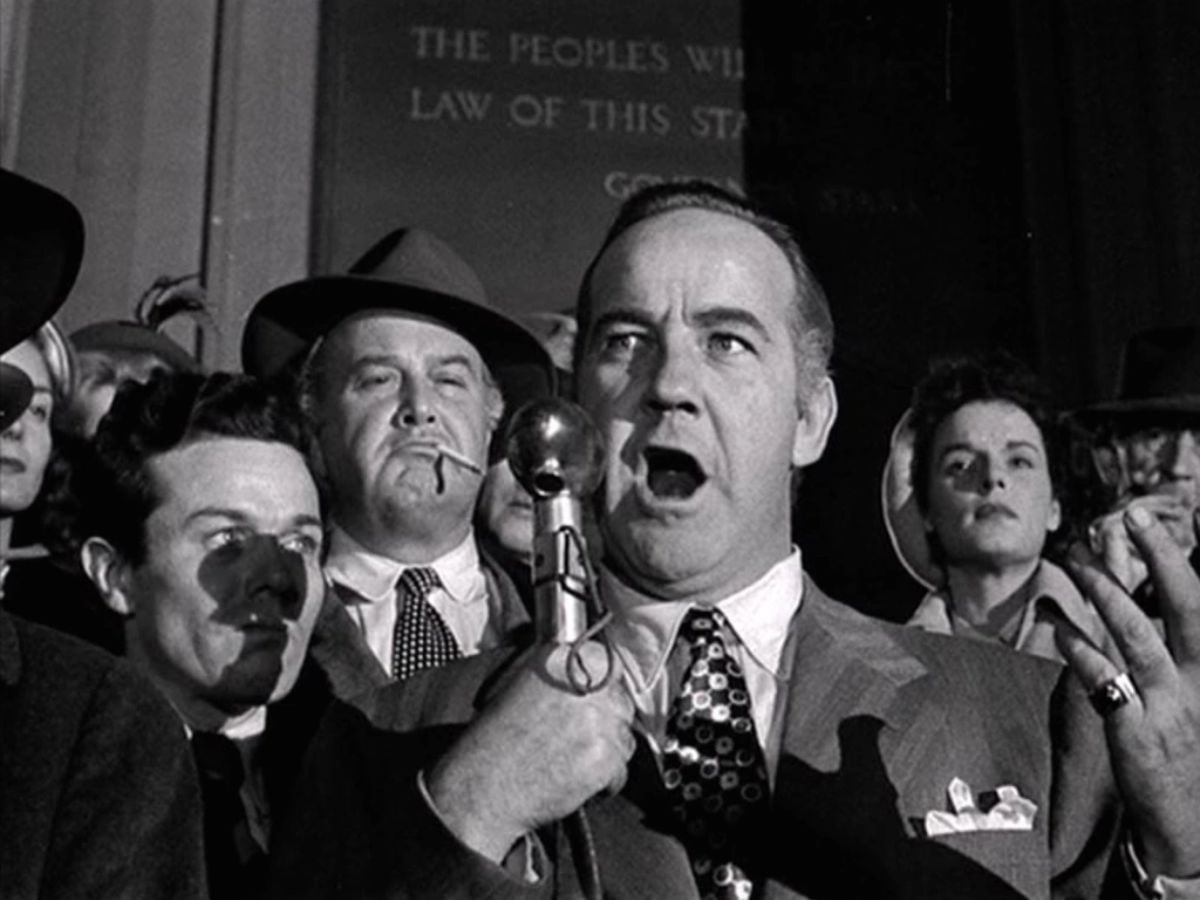
When asked for filmmakers who made movies that were “detrimental to our way of life,” the actor would pick out “Robert Rossen, the one who made the picture about Huey Long, All the King’s Men.” The picture is considered a classic of the era and has won many awards. However, according to Wayne, the movie was a detestable venture.
Despite Wayne’s disparaging comments, the actor was initially considered for a roel in the movie, however, he claimed, “I sent the script back to Charlie Feldman, my agent, and said, ‘If you ever send me a script like this again, I’ll fire you.’ Ironically, it won the Academy Award,” he confessed.
To make matters worse, Broderick Crawford would end up beating Wayne to his first Oscar, making Wayne’s hatred of the movie both political and personal. “I wouldn’t have minded losing so much if anyone else had won,” Wayne stated about the loss. “[The film] smears the machinery of government for no purpose of humour or enlightenment…degrades all relationships…and throws acid on the American way of life.”
‘High Noon’ (Stanley Kramer, 1952)
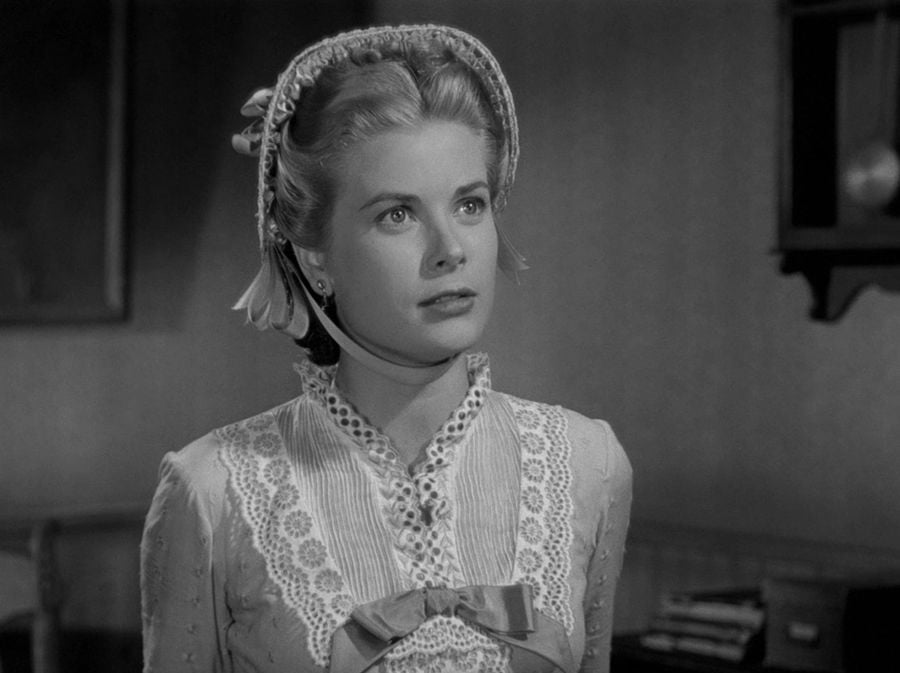
Another of the filmmakers whom Wayne decried as attempting to upturn the American applecart was “Carl Foreman, the guy who wrote the screenplay for High Noon.” The movie is thought of as one of the best movies ever made and became the favourite of three US Presidents — Eisenhower, Truman and Clinton. However, for Wayne, the movie was an abominable comment on America.
The film is most famous for deconstructing the idea of what made a western. The gunslinging and violence were gone and replaced by a more emotional and textured delivery from leading man Gary Cooper. For Wayne, this constituted blasphemy, and he labelled the movie “un-American”, telling Roger Ebert: “A whole city of people that have come across the plains and suffered all kinds of hardships are suddenly afraid to help out a sheriff because three men are coming into the town that are tough. I don’t think that ever happens in the United States.
He added that “If I’d been the marshal,” he would have “just taken my wife and saddled up and rode out of there.” Sadly, for Wayne, he wasn’t there, a fact he was probably sad about in more ways than one.
‘Easy Rider’ (Dennis Hopper, 1969)

“I’m quite sure that within two or three years, Americans will be completely fed up with these perverted films,” Wayne told Playboy in 1971. While there is a little bit of irony in the notion that an ageing Wayne conducted the interview within an erotic magazine, the western star was nearing the end of his life and was seemingly ready to take down any movie below his expectations of what he believed Americans should want.
It meant that the actor labelled two movies as “perverted”. One of those pictures was Easy Rider, which was created in direct retaliation to people like John Wayne. The 1969 road movie was a deliberately adventurous and experimental picture that celebrated hedonism and rebellion, two areas that would have left Wayne bristling at their mere mention.
However, the movie was eventually added to the United States National Film Registry in 1998, having been deemed “culturally, historically, or aesthetically significant,” so we can all agree Wayne got it wrong again.
‘Midnight Cowboy’ (John Schlesinger, 1969)
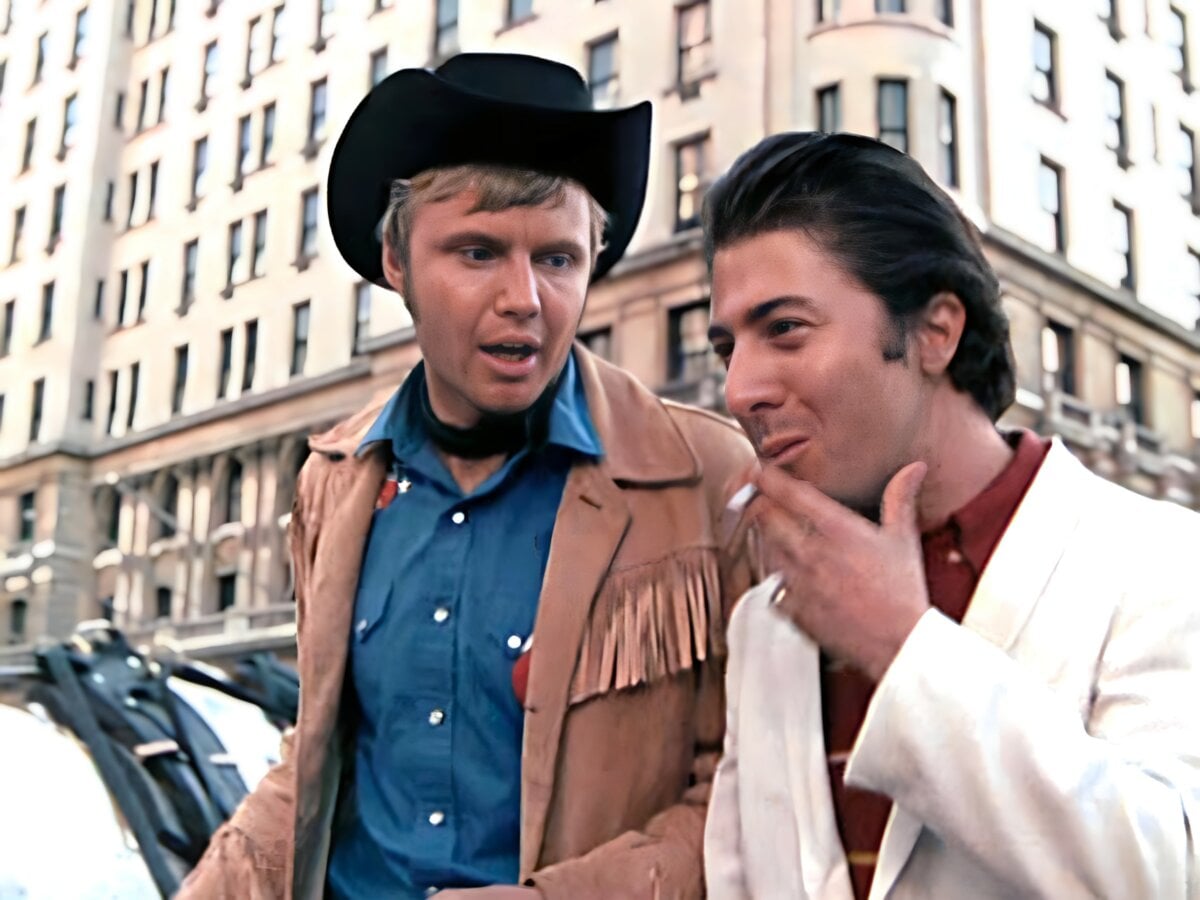
The other movie Wayne labelled as “perverted” in the Playboy interview was Midnight Cowboy, a picture most would agree was a pioneering moment in American cinema for equal rights. However, for the uber-conservative Wayne, it was a step too far and elicited one of his more unwelcome rants. He asks his interviewer, “Wouldn’t you say that the wonderful love of those two men in Midnight Cowboy, a story about two f*gs, qualifies [as being perverted]?”
“When you think of the wonderful picture fare we’ve had through the years and realise we’ve come to this shit, it’s disgusting,” he continued. “If they want to continue making those pictures, fine. But my career will have ended. I’ve already reached a pretty good height right now in a business that I feel is going to fade out from its own vulgarity”.
Of course, the world would become a more inclusive place in the years that followed and one can easily point to the wonderful impact of movies like Midnight Cowboy as stepping stones towards that goal.
‘1941’ (Steven Spielberg, 1979)
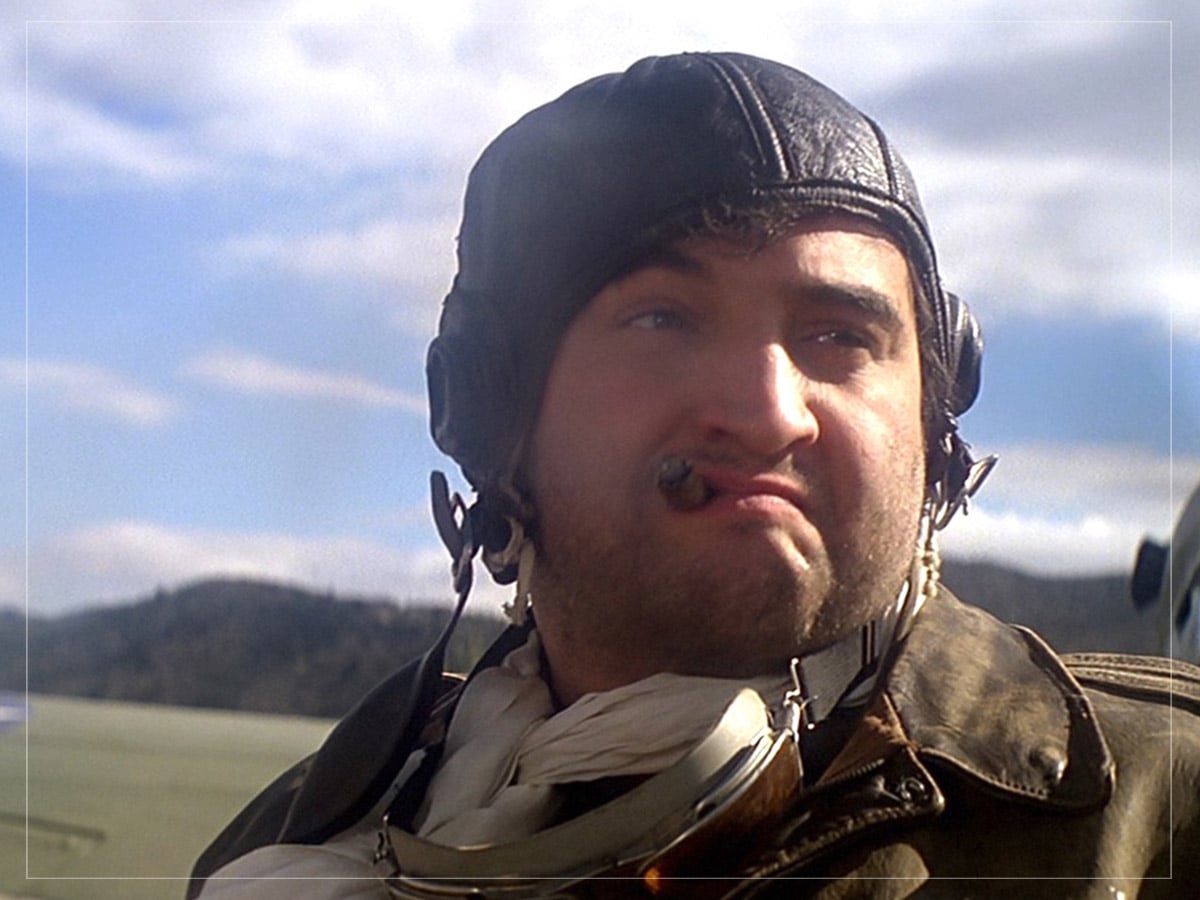
Steven Spielberg is a name that might dwarf John Wayne in terms of cinematic impact. However, in 1979, as the director readied himself to release a comedy based on World War II, he reached out to Wayne for advice and to possibly tempt him into joining the cast of the movie. It would be a step too far for Wayne, who saw nothing remotely funny about the war.
Spielberg recalled: “[Wayne] was really curious and so I sent him the script. He called me the next day and said he felt it was a very un-American movie, and I shouldn’t waste my time making it. He said, ‘You know, that was an important war, and you’re making fun of a war that cost thousands of lives at Pearl Harbour. Don’t joke about World War II.’”
Wayne was very critical of the idea of making a comedy about the Pearl Harbour attack and called Spielberg’s screenplay “the most anti-American piece of drivel he had ever read in his life”. While Wayne’s moral outrage was predictable, his patriotism did not result in his military enlistment during the actual war.
