


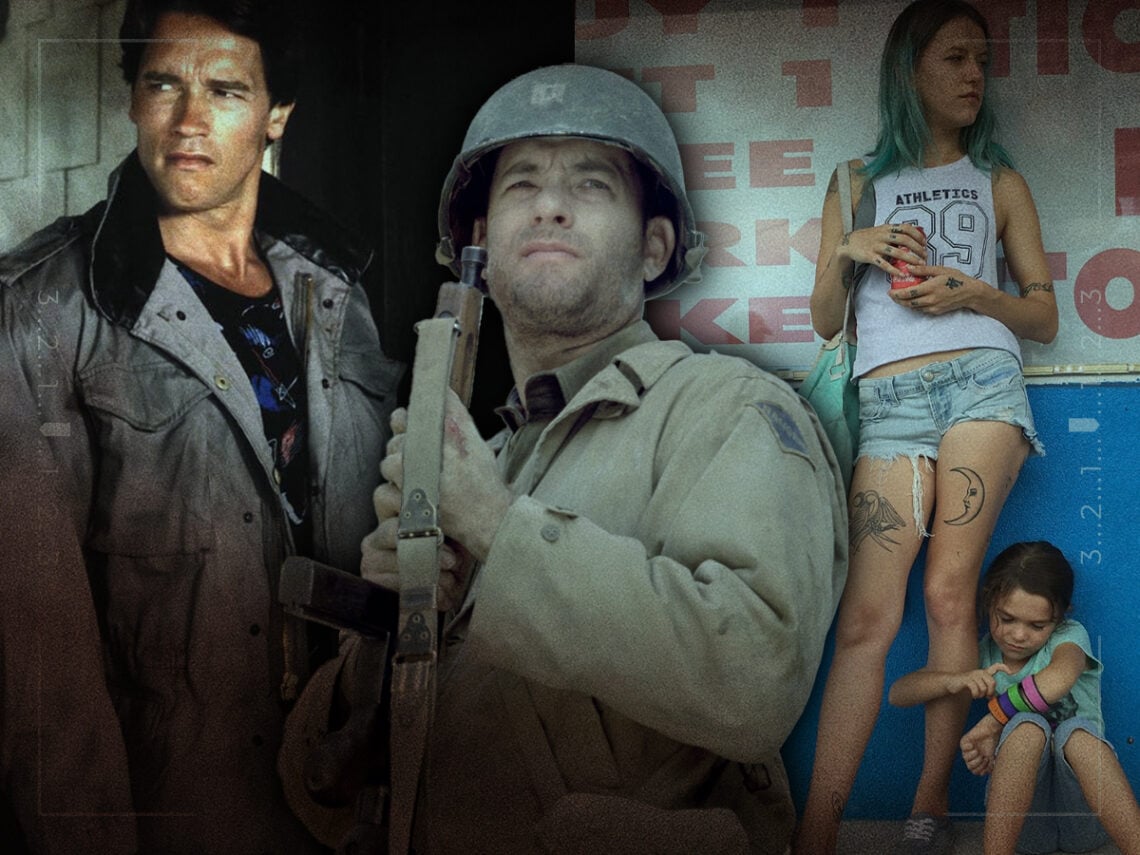
Five movies that were banned from filming in certain locations

One of the many, many, many unsung heroes of film production is the humble location scout. Without them, there would be nowhere for films to actually, you know, film.
Think of all the stunning real-life locations that make up your favourite movies. They simply wouldn’t have made it to the big screen without the hard work of these fine fellows.
However, location scouts are not miracle workers. Sometimes, there are forces at play that prevent a crew from filming even one second of footage at their desired destinations.
Whether for practical, financial, or even religious reasons, these five films were all told ‘no’. Some of them did the decent, honest thing and found somewhere else to film, while others just went ahead anyway, hoping that forgiveness would be granted more easily than permission.
Interestingly, a number of these examples feature Tom Hanks, so clearly he’s not as popular as everyone thinks he is.
Five movies banned from filming in certain locations:
Vatican City – ‘Angels & Demons’ (Ron Howard, 2009)
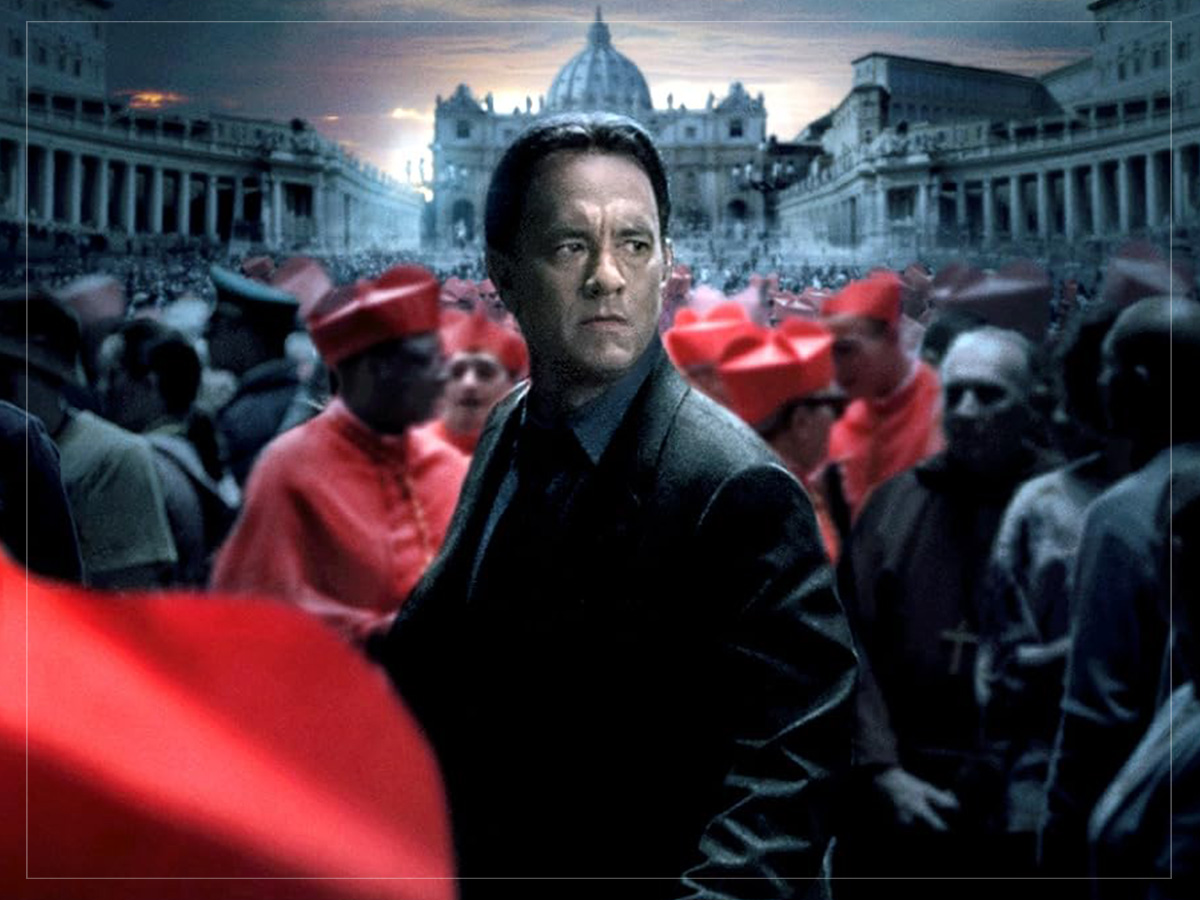
As soon as The Da Vinci Code series became a worldwide success, it was only a matter of time before Hollywood came calling, and soon enough, Ron Howard turned the first book into a movie in 2006, with Tom Hanks starring as ‘symbologist’ Robert Langdon. As rubbish as the film was, it made a boatload of money, greenlighting a sequel. Three years later came Angels & Demons, a more religious-centric story that, unfortunately, the Catholic Church didn’t take too kindly to, so they wreaked their horrible vengeance on poor old Ron.
The Church made it very clear that they would not allow Angels & Demons to film on their grounds, which presented a significant issue for the crew, as a large portion of the action takes place in and around the Vatican. Most of these scenes had to be shot on the Sony lot, with a former royal palace near Naples serving as the inside of the Pope’s home, while the Vatican’s library was substituted with another building in Rome. The team did a decent job of replicating the holiest place on Earth, but there has to be something in the Bible that forbids this sort of thing; it feels pretty sinful.
A Los Angeles highway – ‘The Terminator’ (James Cameron, 1984)

If James Cameron wanted to film somewhere these days, you’d be hard-pressed to find anyone who’d deny him. This dude has made movies at the bottom of the ocean, for crying out loud, but the James Cameron of 1984 was a very different person. He didn’t have anywhere near the power he enjoys today, and with only one movie to his name, the regrettable Piranha II: The Spawning, he was out to change that reputation with his follow-up.
While The Terminator would eventually put Cameron on the map, he had to actually make the thing first. He and his crew had to overcome a number of hurdles, especially when they realised they needed to do some reshoots. For the final scene in which Sarah Connor drives into an oncoming storm, producer Gale Anne Hurd’s assistant stood in for an unavailable Linda Hamilton, and she also had to borrow her mother’s Alsatian to portray Connor’s guard dog.
They also didn’t secure a permit for the Los Angeles highway they were filming on, so when a police officer pulled them over, they lied and said they were film students who didn’t know the rules. Cameron’s lack of eventual star power, mixed with the gullible cop buying the excuse, and thank God he did, really helped their case.
Shibuya Crossing – ‘The Fast and the Furious: Tokyo Drift’ (Justin Lin, 2006)
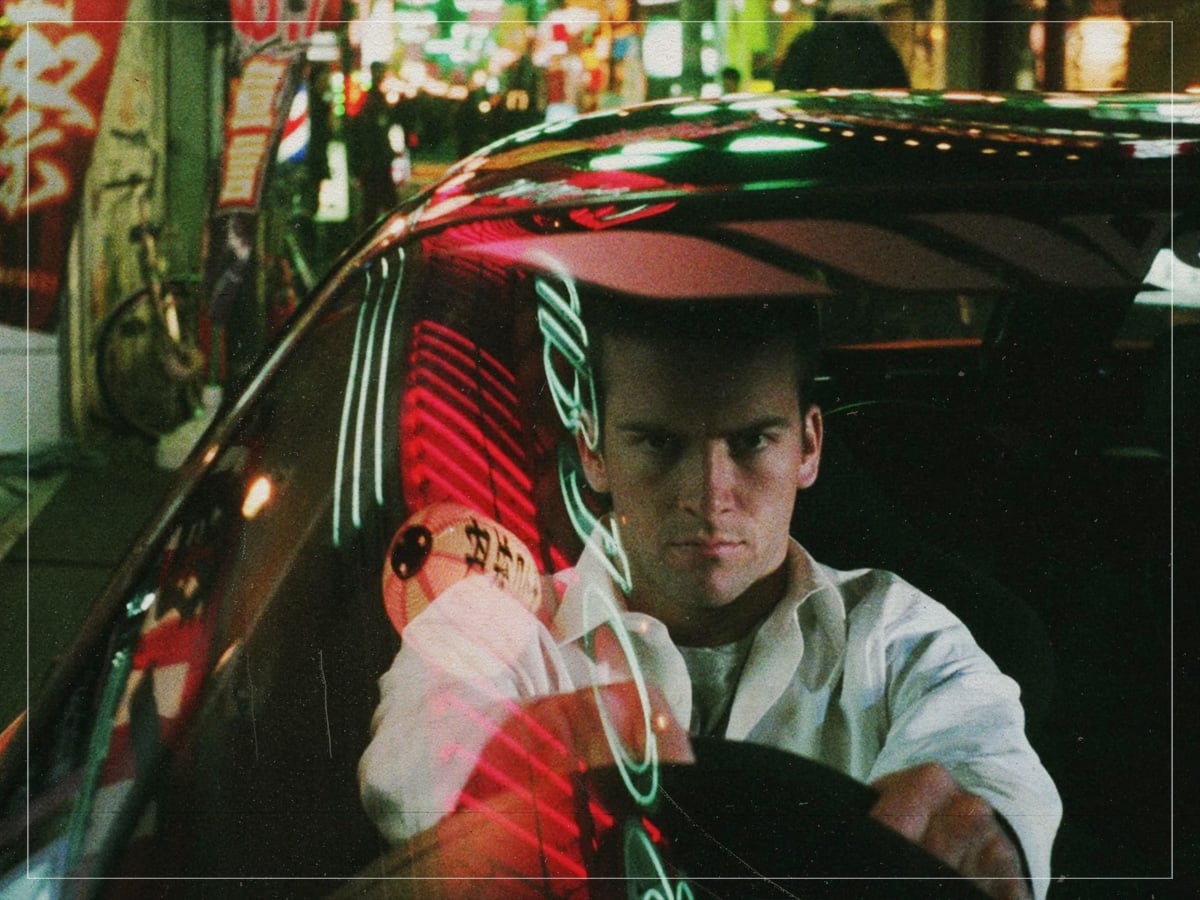
Outside of Shibuya train station in Tokyo, there is a pedestrian crossing that defies all logic; this massive intersection of road and pavement is constantly busy, with as many as 3,000 people making use of it at a time. It has become a symbol of the city, so it’s no wonder that Justin Lin wanted to include it in The Fast and the Furious: Tokyo Drift. However, as Lin found out, film permits aren’t really a thing in the ‘Land of the Rising Sun’.
He couldn’t shut Shibuya down, so he had to film there while it was still in use, which attracted a bit of unwanted attention, but as he explained to Digital Spy, he could handle it. “The cops, they’re all so polite, so it takes ten minutes for them to come over and kick you out,” he revealed, “They shut us down, I’d gotten all my shots, but I didn’t know they were going to arrest me.”
As it turns out, the studio had planned for this outcome: “Another guy stepped up and said, ‘I’m the director’,” Lin continued, “I found out that it was his job to take the fall for me. He went to jail for the night, and I’m forever grateful.”
Disney World – ‘The Florida Project’ (Sean Baker, 2017)

Before he scooped the Oscar for ‘Best Director’, Anora director Sean Baker was a sneaky little guerrilla filmmaker. His 2015 movie Tangerine was shot entirely on the iPhone 5 with a budget of just $100,000, and its success gave him the confidence and clout to upgrade to proper cameras for his next feature, The Florida Project, which is about a young girl named Moonee living with her single mother in Florida. However, once a guerrilla, always a guerrilla, and Sean just couldn’t help himself from crossing some lines.
The action in The Florida Project is set in Kissimmee, which is about 15 miles down the road from Walt Disney World, plus the name of the film was directly inspired by the park, as that was its codename when it was under construction in the 1970s, so the shadow of Disney hangs over the entire story. The poverty that Moonee, played by Brooklyn Kimberly Prince, and her family live in strongly contrasts with the glitz and glamour of the ‘Magic Kingdom’.
As Disney doesn’t allow film crews to use their parks, Baker was forced to improvise, where he and a skeleton crew shot the movie’s emotional final scene on their phones inside the resort, without the permission of the ‘House of Mouse’.
Normandy – ‘Saving Private Ryan’ (Stephen Spielberg, 1998)
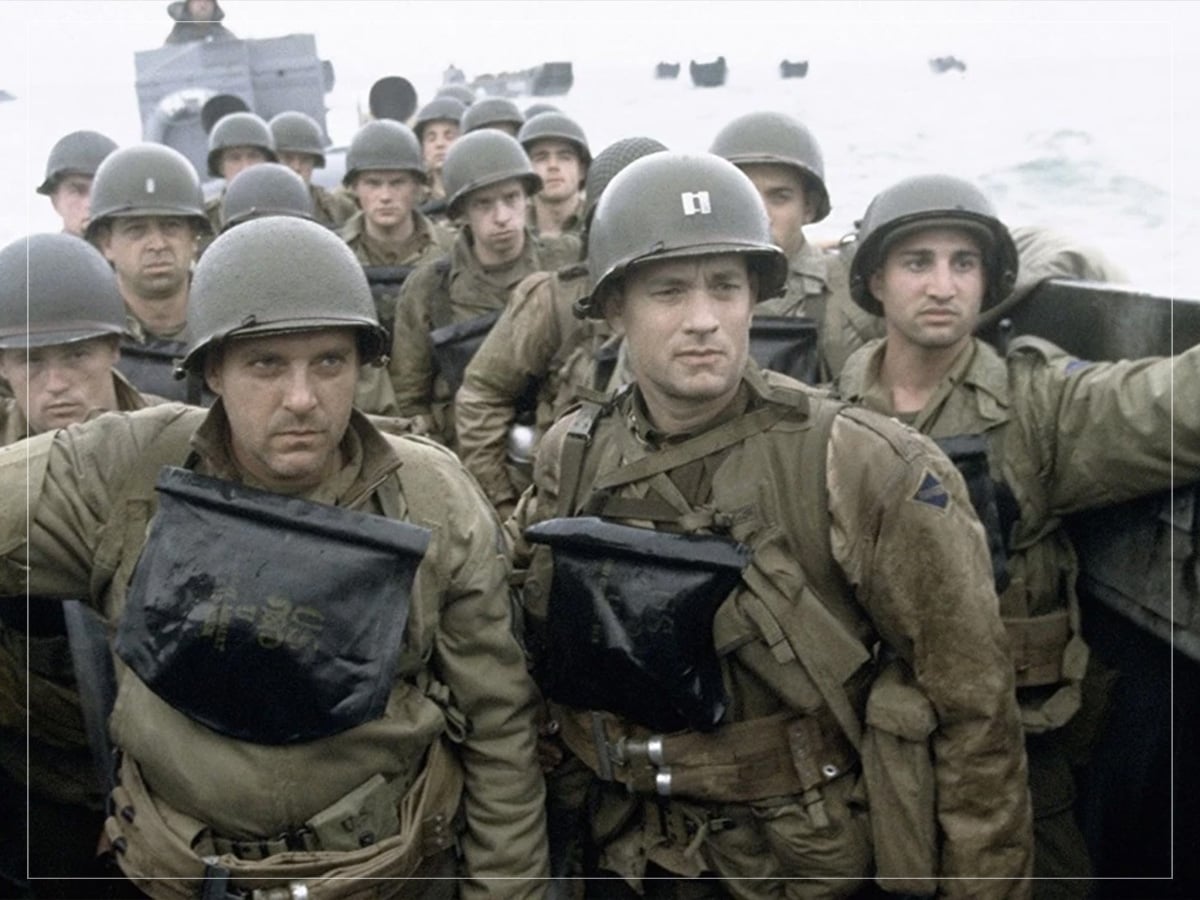
The opening scene of Steven Spielberg’s Saving Private Ryan is one of the most famous in movie history, involving an epic recreation of the storming of Omaha Beach, a sequence so impactful that many real veterans of the D-Day landings couldn’t sit through it. The scene took four weeks to film, cost $12million, required over 1,000 extras to complete, and because Spielberg was aiming for maximum realism in order to accurately portray the horrors of war, he wanted to film the scene on the actual beaches of Normandy, but found himself thwarted.
The genuine site of the landings had been built on and developed in the years following the war, and as for other beaches in Normandy, they were either being used for military purposes or as nature reserves, making them a no-go. An irate Spielberg had to look elsewhere and found an unlikely substitute in Ireland’s Ballinesker Beach, which had the same golden sands as well as sheer cliff faces as Omaha, and there was the nearby village of Curracloe, where the crew could set up camp; if they couldn’t have the real thing, then this was the next best option.
